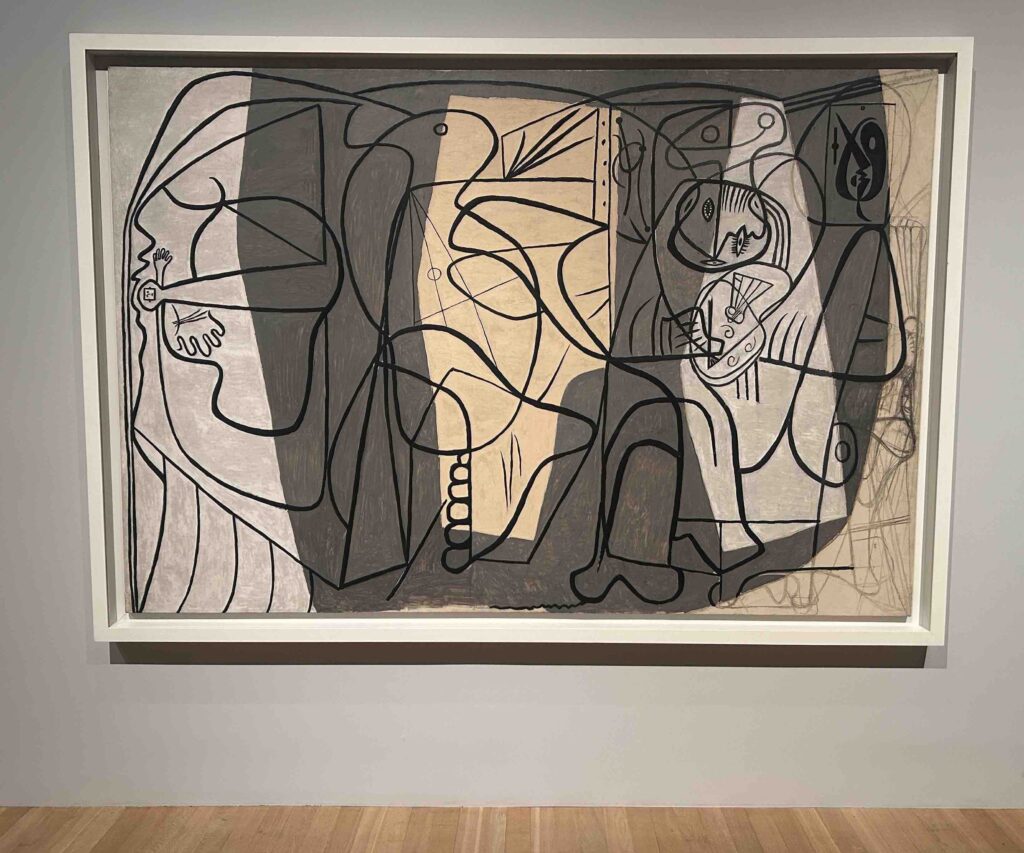
John Wyver writes: the week’s recommendations of articles and audio that I have found interesting and useful and enriching over the past week. Among my recent cultural highlights was Tate Modern’s Theatre Picasso exhibition (on until 12 April), which features the header image, the master’s extraordinary ‘The Painter and his Model’, 1926.
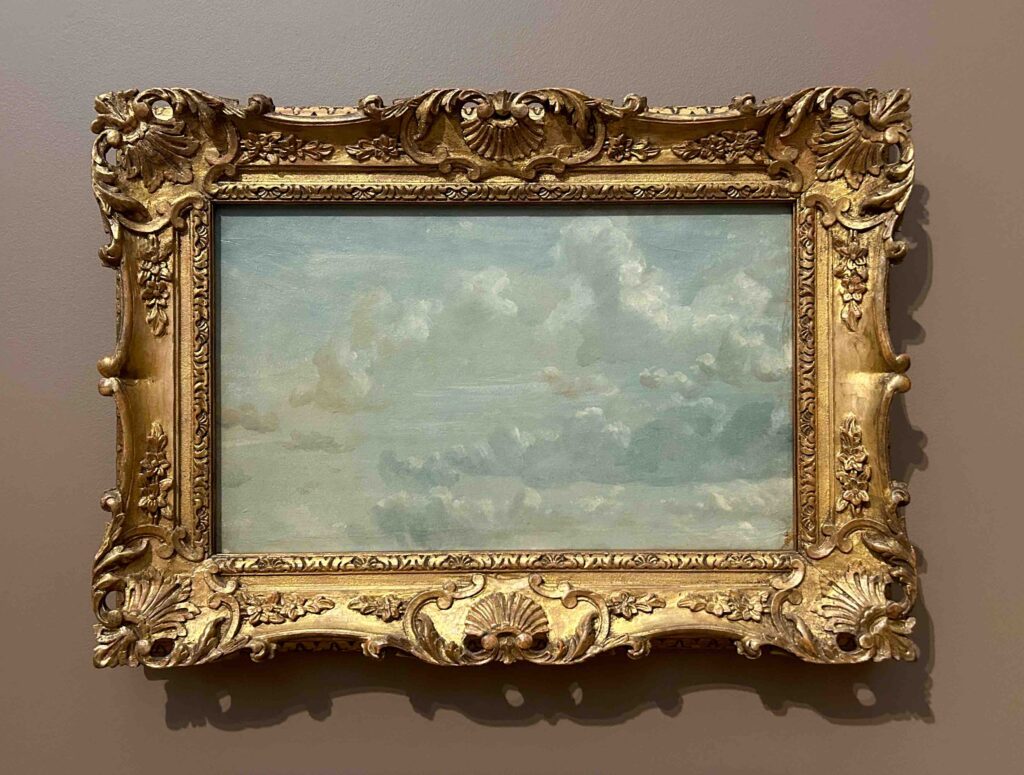
John Wyver writes: Posted late in the day, for which apologies, but here is the usual miscellany of articles and audio that I have found engaging and enriching this week. The header image is John Constable’s ‘Cloud Study’, 1822, usually seen as part of the Courtauld collection but currently one of the many joys in Tate Britain’s glorious and deservedly popular Turner & Constable: Rivals & Originals (until 12 April). I had the great pleasure of a Member’s Hours viewing this weekend, which is really the way to see it, as otherwise it is rammed – and also sold out on many days.
• Stay classy: the most entertaining essay I read all week – Andrew O’Hagan for LRB [£; limited free access] about the Andrew formerly known as the Prince, and about Virginia Roberts Giuffre and the other victims of Epstein and his world.
John Wyver writes: In 2007 the great Polish director Andrzej Wajda, then in his early eighties, released Katyń, a historical drama about the massacre across thrtee months in 1940 of at least 14,000 Polish officers and intelligentsia. This lavish, grim, powerful film was screened on Tuesday as part of the BFI Southbank season Andrzej Wajda: Portraits of History and Humanity that is just drawing to a close.
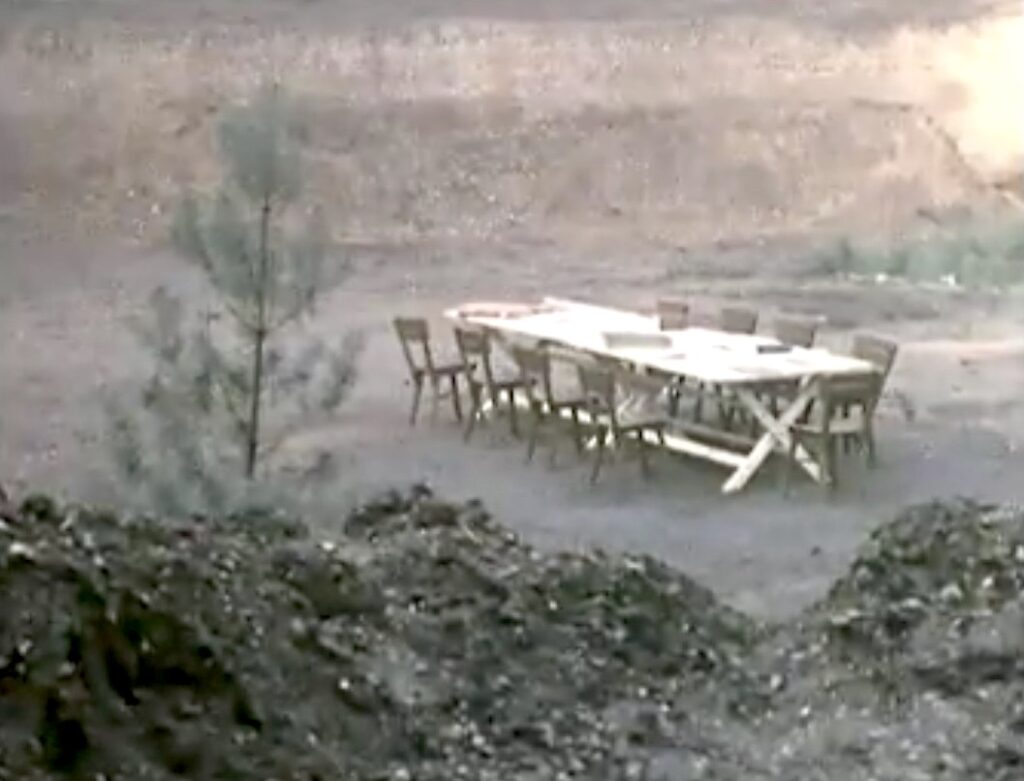
Nearly forty years earlier the Hungarian documentary filmmaker Robert Vas also made a film, ‘…the issue should be avoided’, about the Katyn Forest massacre. This ‘documentary investigation’, produced for BBC television, is an exceptional example of Vas’ rigorous approach to history on film, and is one of the productions to be considered in the symposium Robert Vas in Context on Friday 27 March. Tickets for the event, which are free, on Friday 27 March at Birkbeck, University of London, can be booked here.
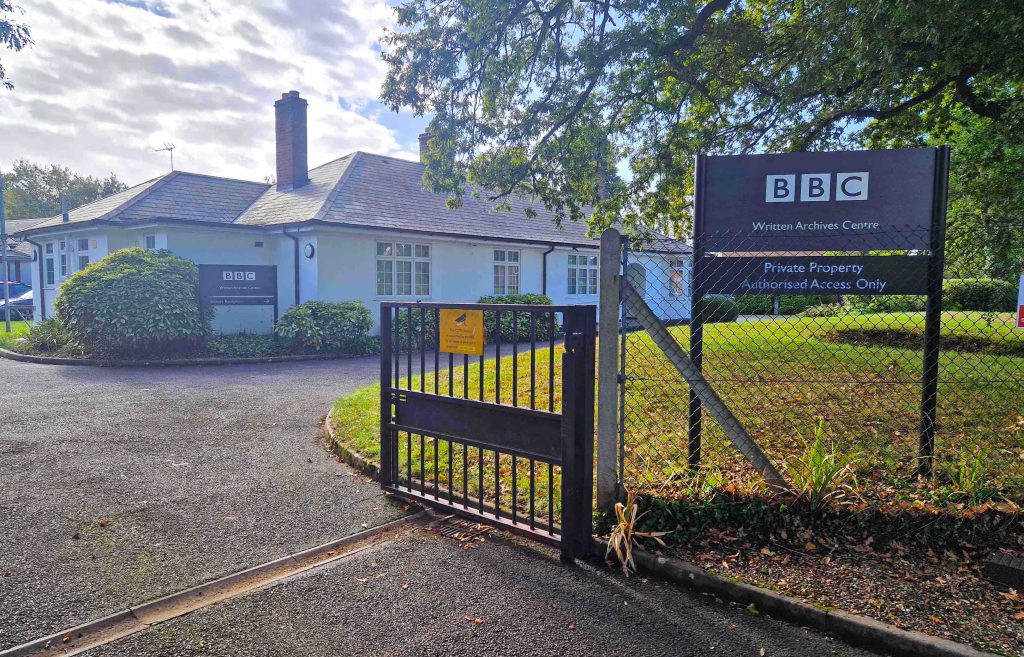
The campaign submission is a substantial document detailing the concerns of the 600 signatories to our open letter and raising key issues relating to questions of trust and transparency on the part of the BBC. Do please take a look at the full submission, which can be viewed and downloaded here, while below I reproduce the Introduction which also acts as an executive summary.
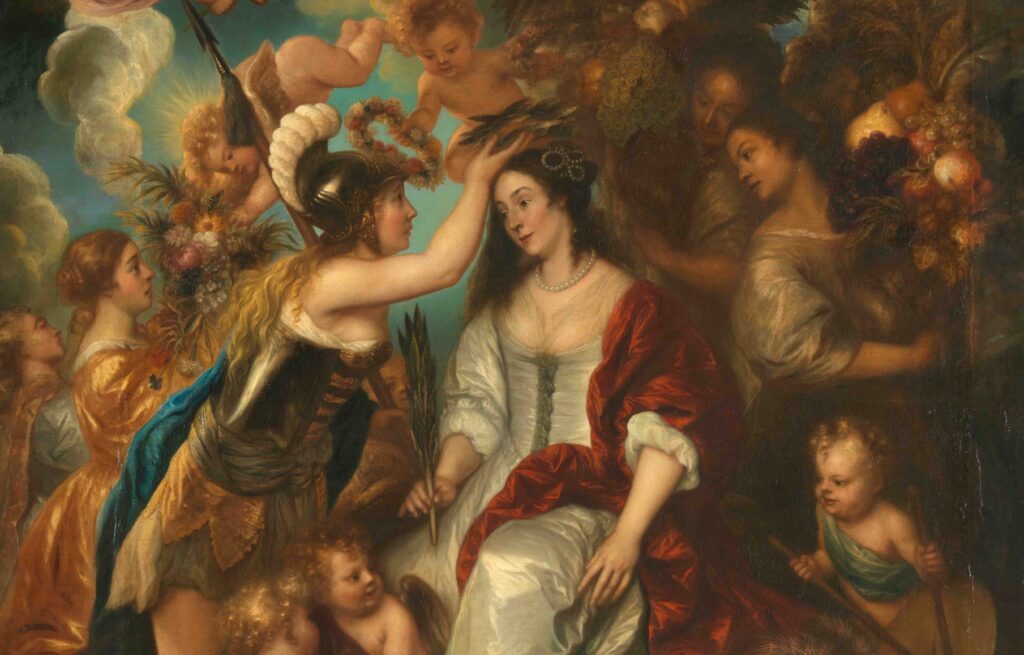
John Wyver writes: as usual, stuff that I found in the past week that helped me get through these strange and terrible times; the header image is a detail from Jan Lievens’ 1652 ‘Allegory of Peace’, from the collection of Amsterdam’s Rijksmuseum. Seemed right this week.
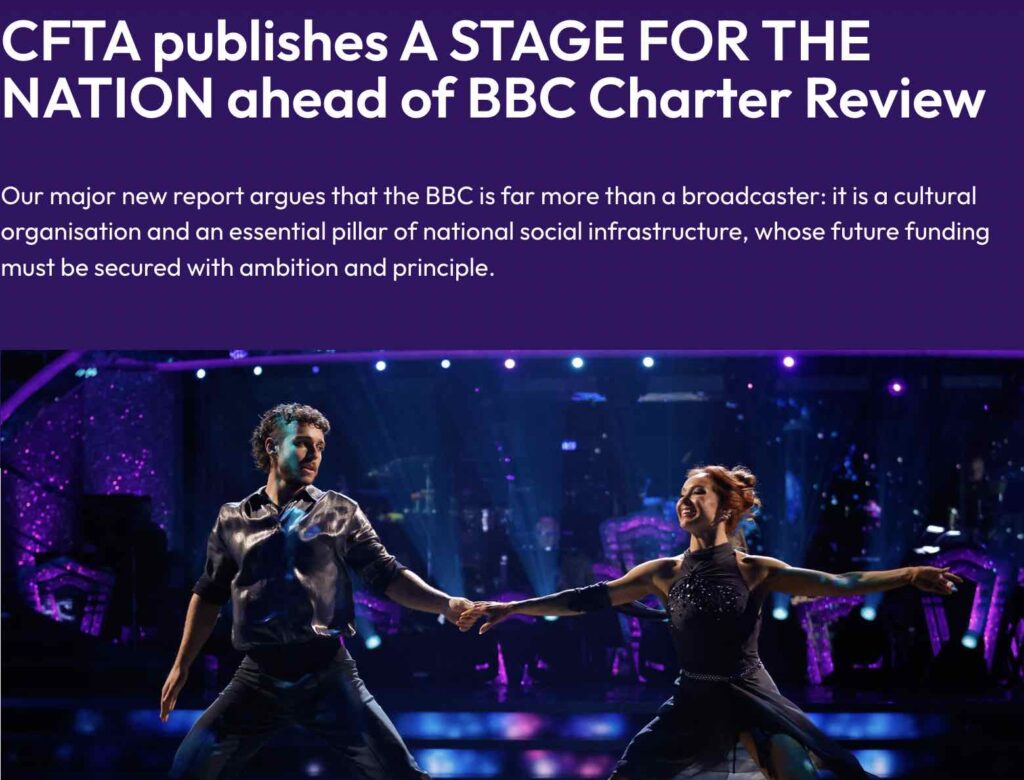
It is also perfectly possible to submit a standalone response, which is what the BBC WAC Campaign is doing (more of which, next week) and what the BBC itself has done with A BBC for All [link to .pdf], which is summarised here. So too has the Campaign for the Arts, with a report titled A Stage for the Nation [link to .pdf].
Both documents are detailed and well worth careful attention, but here I want to focus on just one narrow area of both. What follows, in somewhat polemical form, considers each report’s address to the decimation – that’s my polemical characterisation – of the arts on television over the past decade.
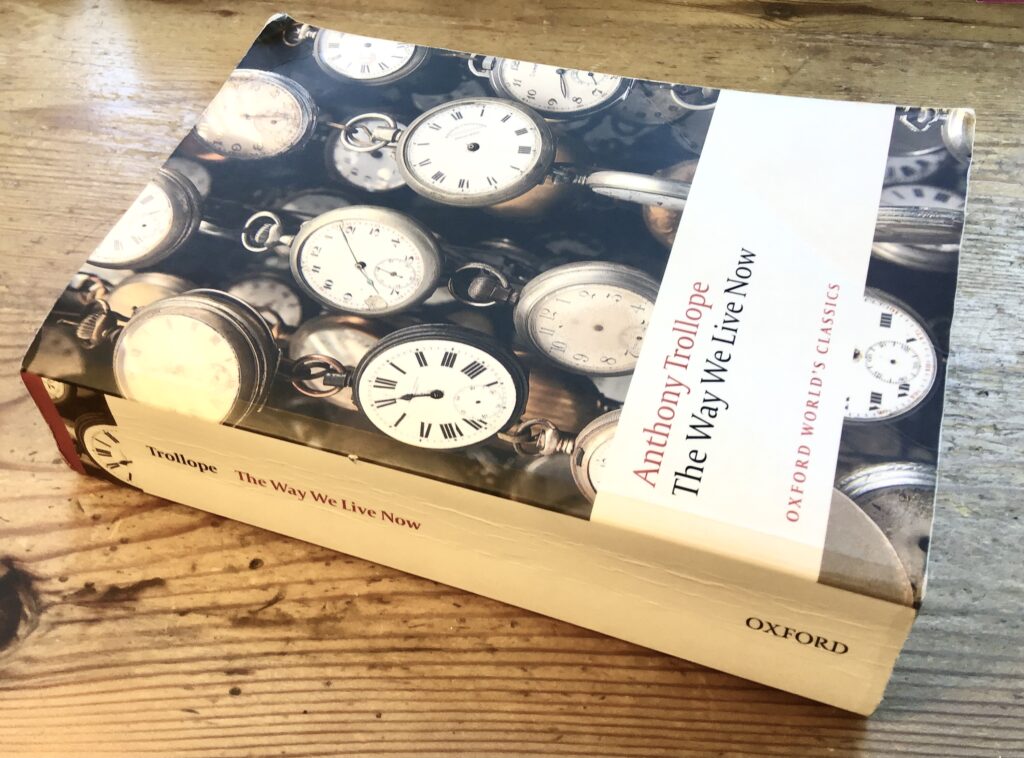
John Wyver writes: I have today finished reading Anthony Trollope’s 1875 tale of Victorian capitalism, class and love, The Way We Live Now. This is a wonderful chronicle of greed, perfidy and romance, crammed with compelling characters, including of course the robber baron Augustus Melmotte, but also among many others Sir Felix Carbury, Mrs Hurtle, Paul Montague, and one who I most identify with, Roger Carbury. Moreover, the resonances with today’s world of tech bros, market manipulation and Tr*mp are ever present.
But it is not Trollope’s tale that I intend to reflect on here. Rather, on this World Book Day, I want to acknowledge, just briefly, my physical paperback from the excellent Oxford World’s Classics series, and to recognise how, after more or less a month of it accompanying me in bed, at mealtimes, on tube journeys and trains, in various waiting rooms, and in a pub of two, this copy bears a precious history of our relationship.
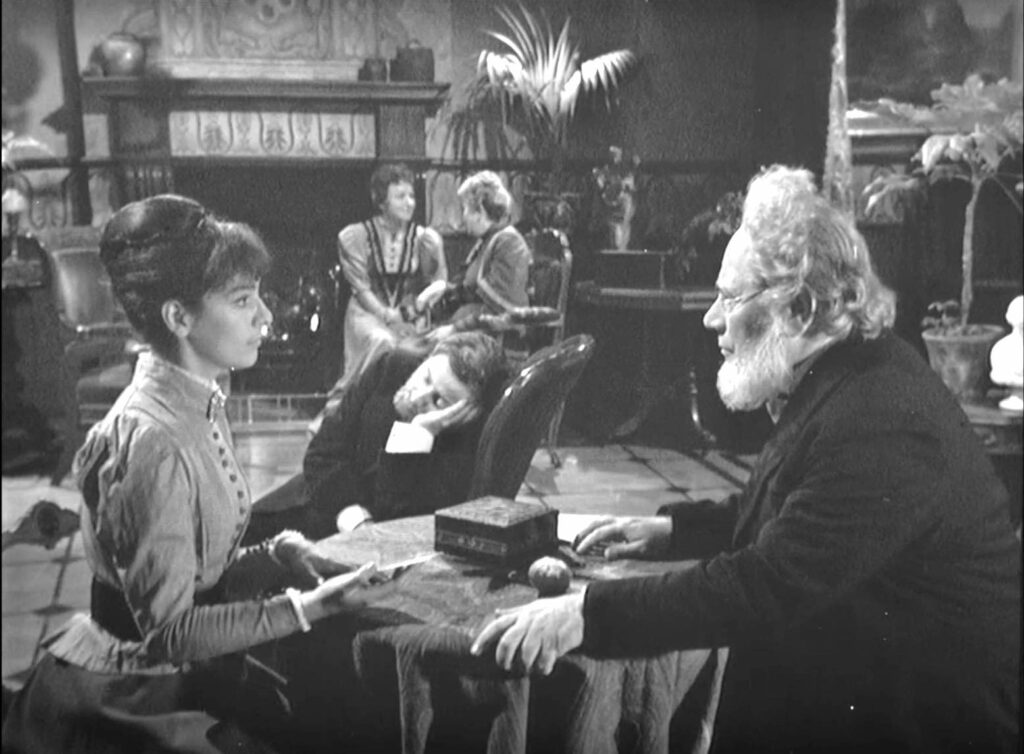
John Wyver writes: Nestled in BBC iPlayer’s box of delights that is the Ibsen collection is a fascinating 1964 curiosity titled The Summer in Gossensass. This is a hour-long drama-documentary — although billed as a ‘documentary’ both here and originally in Radio Times — about a platonic affair in 1889 between the 61-year old playwright, who had recently written The Lady from the Sea, and 19 year old Emilie Bardach.
‘This story is true,’ announces the narrator at the opening. ‘Every event portrayed here is documented by Ibsen’s letters, Emilie Bardach’s diary, and first-hand contemporary accounts.’ Scripted by Caspar Wrede and translator Michael Meyer, whose acclaimed biography of Ibsen was published in 1967, and produced and directed by Wrede, The Summer in Gossensass is interesting both for its take on its subject matter and for the distinctive, at times innovative, filmmaking strategies that it employs.
John Wyver writes: welcome to links to some of what I found vital and valuable in my week’s reading and viewing, starting with a fine discovery at the Library of Congress which is illustrated above.
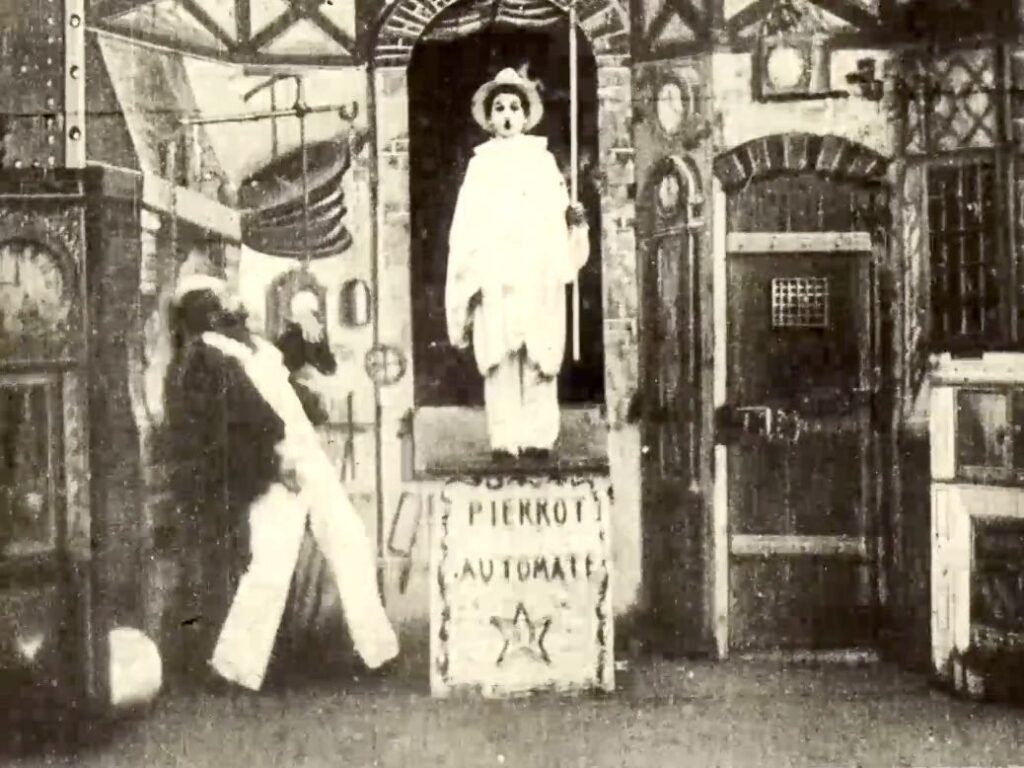
• Lost 19th century film by Méliès discovered at the Library: a cheering blog post by Neely Tucker from the Library of Congress about the discovery and restoration of a previously unknown George Méliès film, Gugusse et l’Automate (Gugusse and the Automaton), which you can view via the links, and a framegrab of which is this week’s header image:
The 45-second film, made around 1897, was the first appearance on film of what might be called a robot, which had endeared it to generations of science fiction fans, even if they knew it only by reputation. It had not been seen by anyone in likely more than a century.
John Wyver writes: I have hugely enjoyed Channel 4’s The Tony Blair Story (broadcast last week and available on catch-up), for which the series director and narrator is Michael Waldman (who I should own is a friend). Perhaps there are no great revelations, and perhaps as Jack Seale wrote for the Guardian, ‘It’s sadly lacking in the granular detail that would really put his actions under the microscope.’
As a sweeping overview, however, the trilogy is compelling, with exceptional interviews, from the Blair family as well as Alastair Campbell, Anji Hunter, Robert Harris and many others (although no Gordon Brown). The use of an astonishing range of archival images is finely orchestrated, the score is rich, and overall it’s a highly distinctive, artful and finely delivered package.
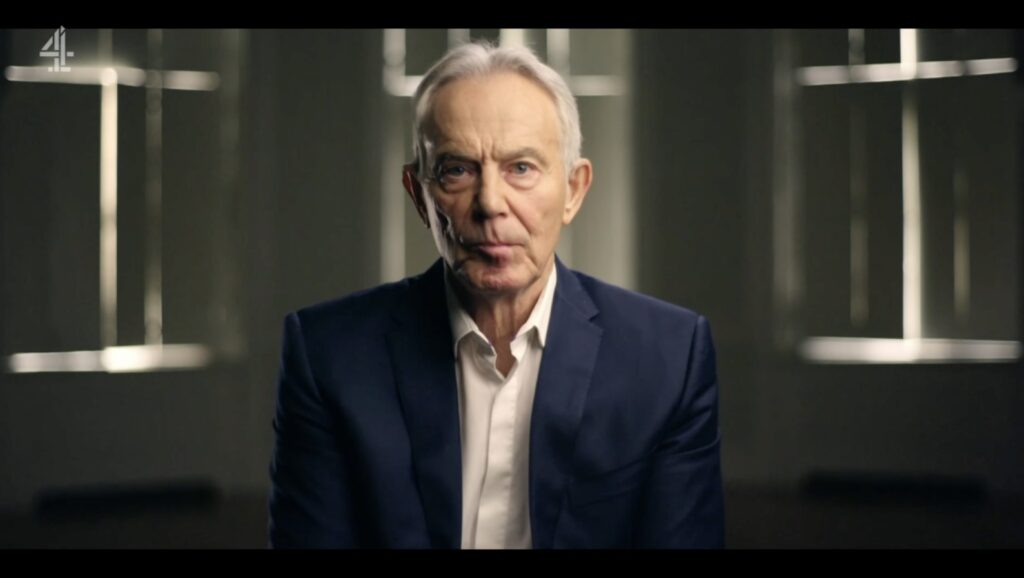
I want to reflect briefly on just one aspect: the central interview with Blair, a screengrab from which is above. He is centrally framed, set against an abstracted background, and for most of the time he speaks directly into the camera. In each of these respects, the set-up is is notably different from all of the other interviews in the films. These are placed in home or work real world contexts, and arranged as television’s usual three-quarter profile shots, speaking to an interviewer placed off to the left or right of frame.