
The arts on BBC television, then and now
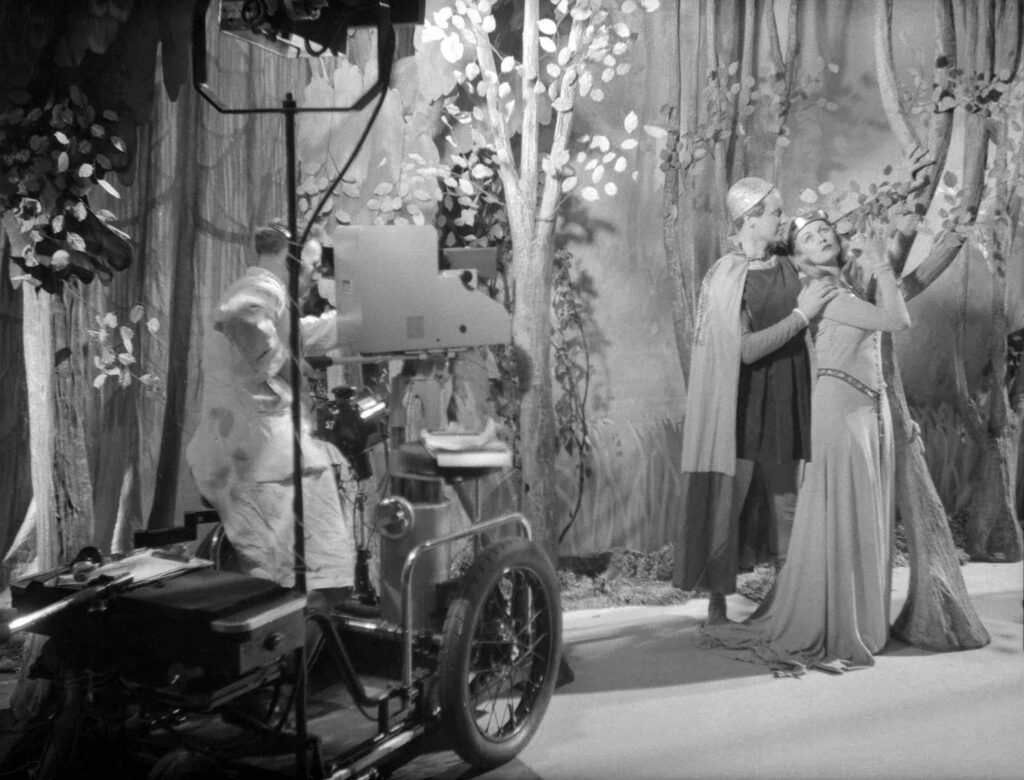
John Wyver writes: As we recover from the centenary, today’s post is just a single link to a piece I published on The Conversation yesterday:
The BBC once made the arts ‘utterly central’ to television – 100 years later they’re almost invisible
Do take a look at the full piece, but I acknowledge director general Tim Davie’s commitment in a 2024 speech that,
The arts remain utterly central to the BBC’s mission. We want to send out a strong signal, that arts and culture matter, they matter for everyone, and they matter even more when times are tough.
And I argue that, in stark contrast to the arts on BBC television in the 1930s (such as the 1938 Tristan and Isolde, above),
there is no sense that Davie’s words are borne out by the current television schedules. There is no regular slot for imaginative and creative arts documentaries, such as Omnibus which lasted from 1967 to 2003, nor space for reviews and debate, like The Late Show, a nightly arts magazine show that ran throughout the early 1990s. Today’s and tomorrow’s visual artists and performers have only the most minimal presence.
The vanishingly rare presentations of stage work, whether dance, opera or theatre, are invariably acquisitions from cultural organisations that provided most of the funding and all of the production expertise. Complexity and challenging contemporary creativity are almost entirely absent. Far from being “utterly central”, the arts are today utterly marginal to BBC television.
Leave a Reply