
The Sunday dozen
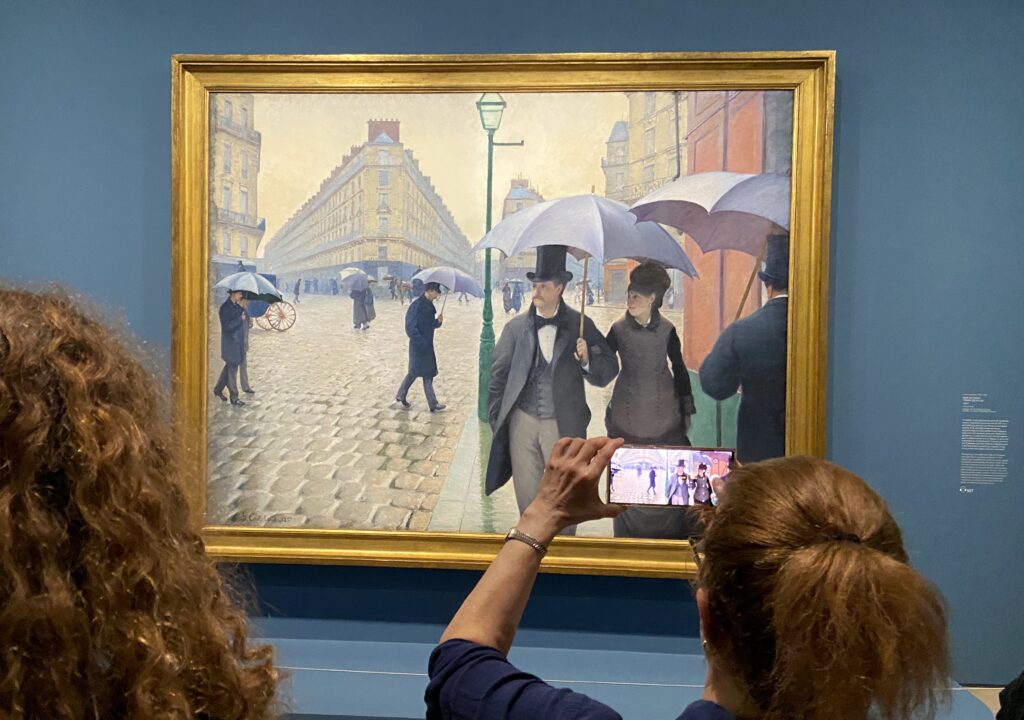
John Wyver writes: late to posting this today, but here is a selection of articles and video that have engaged and enriched my week, and amongst which I hope you find something interesting; for the header image, see the link below to Tom Crewe’s LRB essay on the paintings of Gustave Caillebotte.
• Early television and its future: first off, here’s a wonderful find, thanks to my friend Billy Smart who has flagged it in a blog post comment (more such, please, from Billy and others!); this is Elaine Grand on Good Afternoon (Thames; 23 March 1977) speaking with writer and critic Clive James and, remarkably, with the television pioneer Grace Wyndham Goldie, who recalls pre-war television from Alexandra Palace.
• That slick salesman in the silk hat: Luke McKernan introduces and links to a .pdf of his definitive essay about the early years of pioneering Anglo-American film producer Charles Urban. Written for a presentation in 1999, it’s great to have this text freely available now. and with footnotes; Luke recognises, albeit with a hopeful caveat, ‘probably only the specialist is going to seek it out’.
• Hollywood’s last Golden Age: Thomas Schatz previews his forthcoming book Power Surge: Conglomerate Hollywood and the Studio System’s Last Hurrah, which looks essential:
My primary focus in Power Surge is the formative phase of Conglomerate Hollywood from 1989 to 2004, which stands in sharp contrast to the periods that preceded and followed it in terms of the structure and operation of the industry and the range and quality of its films.
I argue, in fact, that it stands as the most important period in Hollywood annals since the collapse of the studio system a half-century earlier, and the first that warrants serious consideration as another golden age.
• What is TV’s problem with professors?: I enjoyed Philip Maciak’s response for New Republic to Netflix’s Vladimir and HBO’s Rooster.
• Rivals of the landscape: a typically rich and thoughtful response by Jenny Uglow for New York Review of Books [£; limited free access] to Tate Britain’s Turner & Constable: Rivals and Originals show, for which, if you want to see it, you have only a fortnight left (and many time slots are sold out).
• Men watching men: Tom Crewe for LRB [£; limited free access] is brilliant on the French 19th century painter Gustave Caillebotte; his close looking at ‘Paris Street, Rainy Day’, 1877, is especially good, and that’s my snap of people looking at in the Musée d’Orsay exhibition in 2024 (it’s usually in Chicago).
• Tracey Emin’s cult of the self: I have to say that I think for Hyperallergic Olivia McEwan nails my feeling about the artist and her retrospective at Tate Modern.
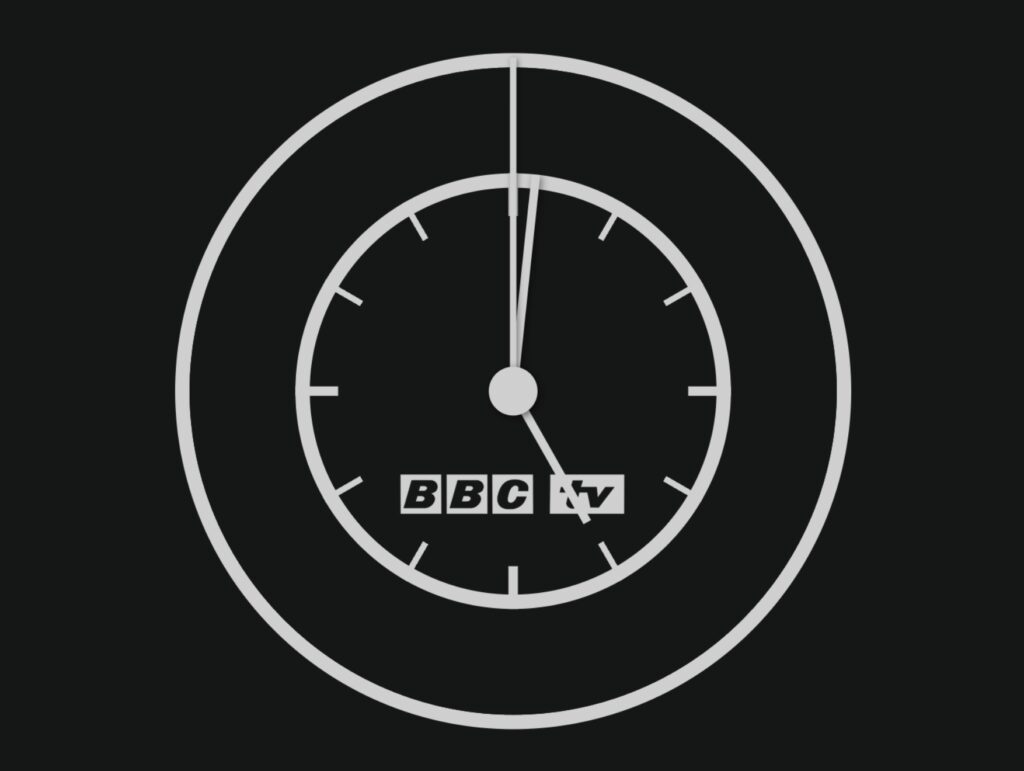
• Project Pendulum: Mark McMillan’s astonishing web project draws together digital versions of more than two hundred clocks from the history of British television, including (screengrabbed above) the main BBC Television clock from 1960 to 1963.
• Why are theater tickets so much cheaper in London than New York?: Michael Paulson and Alex Marshall investigate for The New York Times [gift link]; so interesting.
• Looking twice to see who’s real – a play between dance and film: previewing a new work for Paris Opera Ballet, Roslyn Sulcas for The New York Times [gift link] focuses on the innovative combination of live performance and video in the work of the two women known collectively as Jess and Morgs.
• Engels in the outfield: there is a peerless tradition of writing on baseball in The New Yorker, and this is continued by this dazzling book review by Adam Gopnik of A. M. Gittlitz’s Metropolitans: New York Baseball, Class Struggle, and the People’s Team.
• What do we do next: I found Nick Dennis’ invocation (at his Between Camps substack) of Gramsci’s ideas of a war of manoeuvre and a war of position was productive for working through the existential debates about how to respond to LLMs in higher education.
• The first post-reality political campaign: for The Atlantic [gift link], Anne Applebaum files an astonishing report on the current Hungarian election.
• And finally...: Bruce Springsteen performs ‘Streets of Minneapolis’ at No Kings rally in St. Paul, Saturday 28 March.
Leave a Reply