
Requiem for the Revolution
John Wyver writes: Disconcertingly, Robert Vas’ powerful, poetic documentary essay My Homeland (1976) begins in silence. The silence of the censored and oppressed. The silence of the early morning before the tanks rolled into Budapest nearly 70 years ago. The silence of the grave.
Made for BBC Television’s Omnibus strand to mark the 20th anniversary of the Hungarian Revolution and its brutal suppression by the Soviets, My Homeland is receiving an exceptionally rare screening for the 70th anniversary at London’s Liszt Institute , the Hungarian Cultural Centre on Trafalgar Square, next Tuesday, 3 November.
The film will be introduced by Dr Eleni Liarou (Birkbeck, University of London), and will be followed by a discussion with Eleni, Professor James Jordan (University of Southampton), Hungarian-born poet, writer and academic, György Gömöri and moderated by the Director of Liszt Institute London, Botond Zákonyi. Tickets are free and can be reserved here.
Robert Vas (1931-1978) was a great Hungarian filmmaker, born in Budapest, who fled his country in the aftermath of the suppressed Revolution. He started to make independent documentaries, worked for the BFI, was a film editor for the National Coal Board, and then from the mid-1960s until his untimely death wrote and directed film documentaries for the BBC. My Homeland is perhaps his greatest achievement.
Year after year, on this day, the fourth of November, I remember you. In my thoughts and in my feelings I walk past your graves, one by one… The All Saints’ Day candles everywhere we travelled across the country — in memory of the dead.
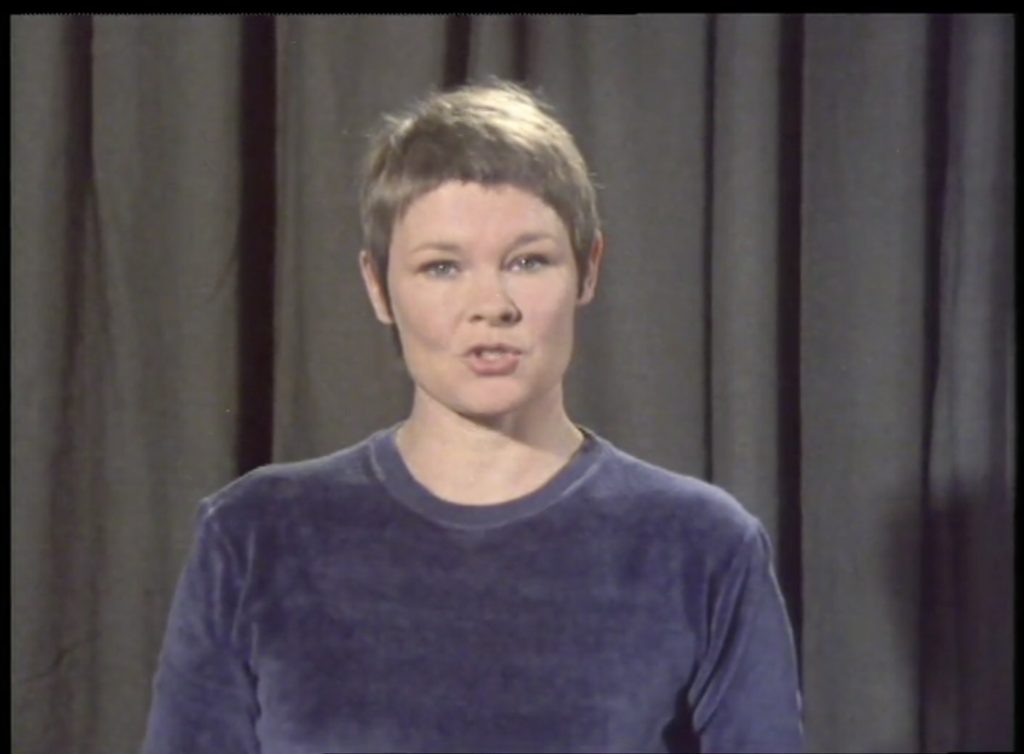
This is a film made from exile, pieced together from fragments of archive film and photographs and poems, which are performed to camera by Michael Bryant and Judi Dench. Vas draws on the words (in translation) of a canon of Hungarian poets, including Endre Ady, Attila József, Miklós Radnóti, Sándor Petőfi , Tibor Déry and, at the conclusion, Gyula Illyés.
“There are things that carry us beyond words,” writes Solzhenitsyn in his Nobel Prize speech. “Through the medium of art we are sometimes sent revelations that cannot be explained by rational thought. Words that have drawn upon the truth and presented it to us in live, concentrated form capture us and draw us compulsively in. And never, even centuries later, will anyone be able to refute them.”
Binding these elements together is Vas reading his own highly personal narration, reflecting on history and memory and language and landscape and identity. His words, a handful of which are reproduced here as italicised quotations, are a kind of poem as well.
Hungarian history is a continuous, ever-repeating story of oppression — by the Tartars, the Turks, the Hapsburgs, Nazi Germany, Soviet Russia — and a never-ceasing fight for freedom and independence.
A dense soundscape of war, of gunshots and the growl of tanks, complements those words, along with folksongs and the music of Hungarian composers Zoltán Kodály and Béla Bartók. Together, they weave a rich and remarkable elegy, a threnody for Vas’ friends and compatriots who died resisting the state, a requiem for the Revolution.
Who are we as a people? What is this nation really about? What does my homeland, that so attracts and so repels me, really mean to me after so many years?
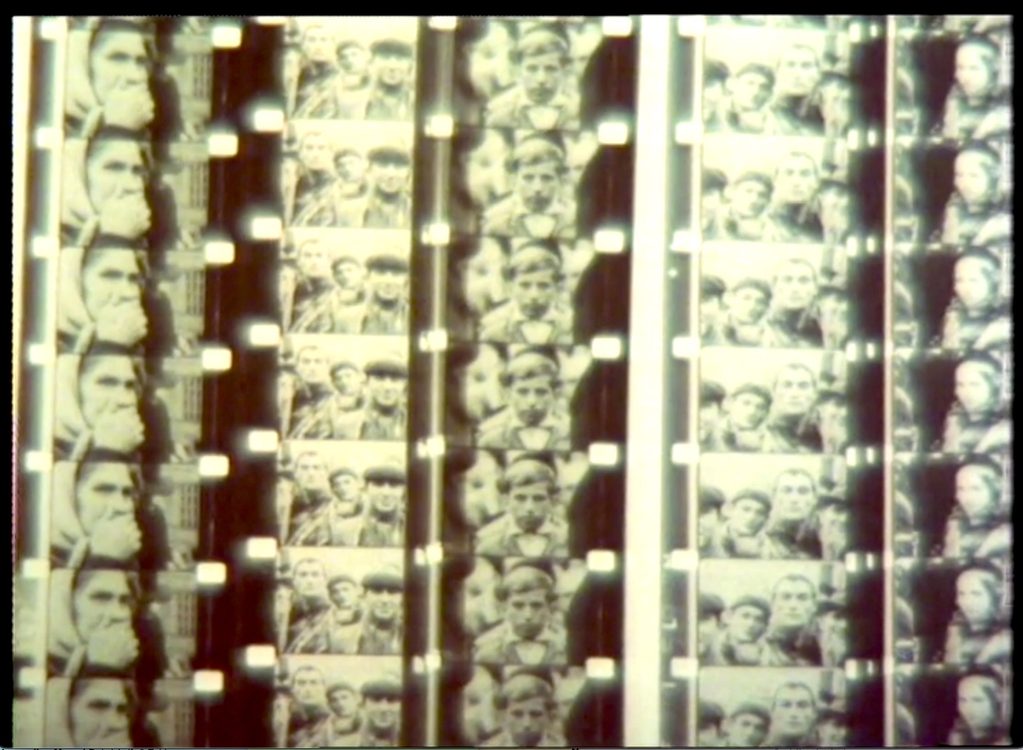
Equally poetic, and so typical of Vas’ finest work, is the engagement with the archive, much of which, without warning, features harrowing shots of the dead. Still frames and short sequences of faces and fighting and more faces, of deserted streets and passionate protests, of street clashes and moments of repose, are woven together to tell a story (with the counterpoint of austere explanatory captions), to offer a warning from history, and most especially to conjure an atmosphere. More than anything, more even than the mutilated corpses, it is the faces that stay in the mind. Faces of hope, of joy, of resilience, of belief, of defeat.
The faces of those who had a part in the miracle. Motionless. Solidified. Fossilised in time. And silent. Time has stopped. To become memory. To grow into legend. Legend that is sacred, untouchable. Or which it is forbidden to touch.
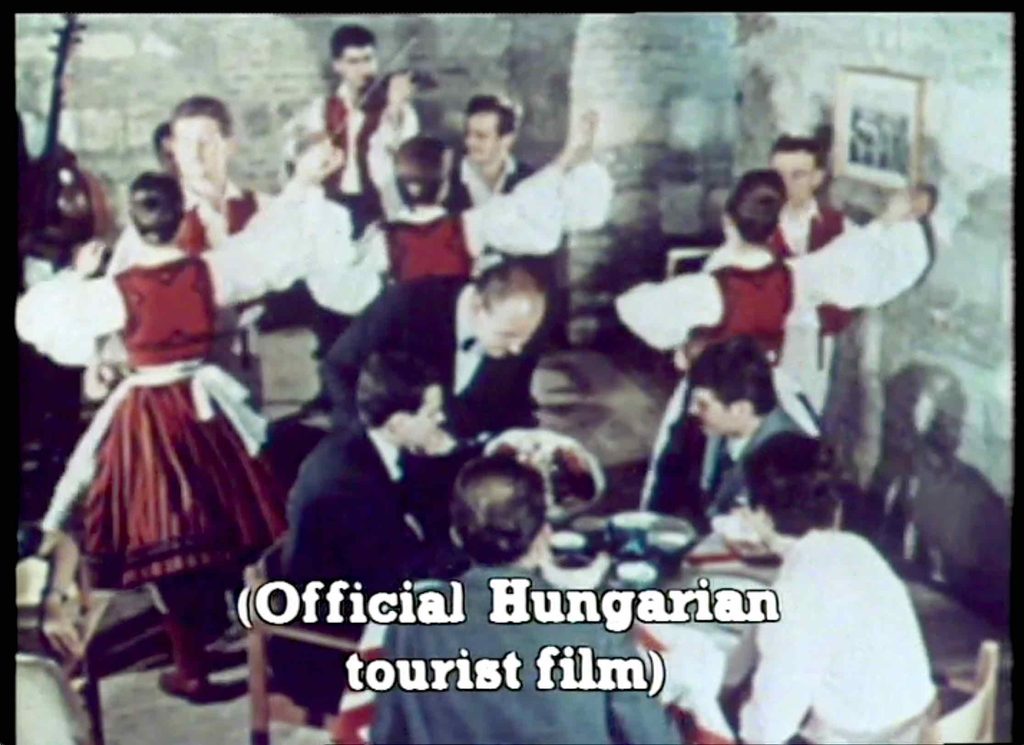
Drawn through the film are elements from official Hungarian travelogues, images of everyday life, leisure and fashion. Returned to also are shots of wild horses on the Hungarian plain, a moving metaphor for ideas of freedom and independence, running with the wind — but also, in one startling shot, shackled.
It is a country so very difficult to leave behind. For hundreds of years back, it constantly keeps pushing away its own sons and daughters – only to pull them back, in their thoughts and feelings, in their sense of belonging.
And then, at a point early on, there are self-reflexive thoughts about the challenges of making this film, about the images that have been lost, the archive that has been junked, and the witnesses to history that survive almost by accident. The BBC recording of the last speech by Imre Nagy, the Communist politician who became leader of the Revolution, is preserved on a disc which has on its flipside an interview with Christian Dior.
Deeply felt, uncompromising, unique, My Homeland is a truly remarkable film. Do join us on Tuesday if you can.
Apologies !! I understand the screening and discussion is now sold out.