
BBC Ibsen 3: The Summer in Gossensass
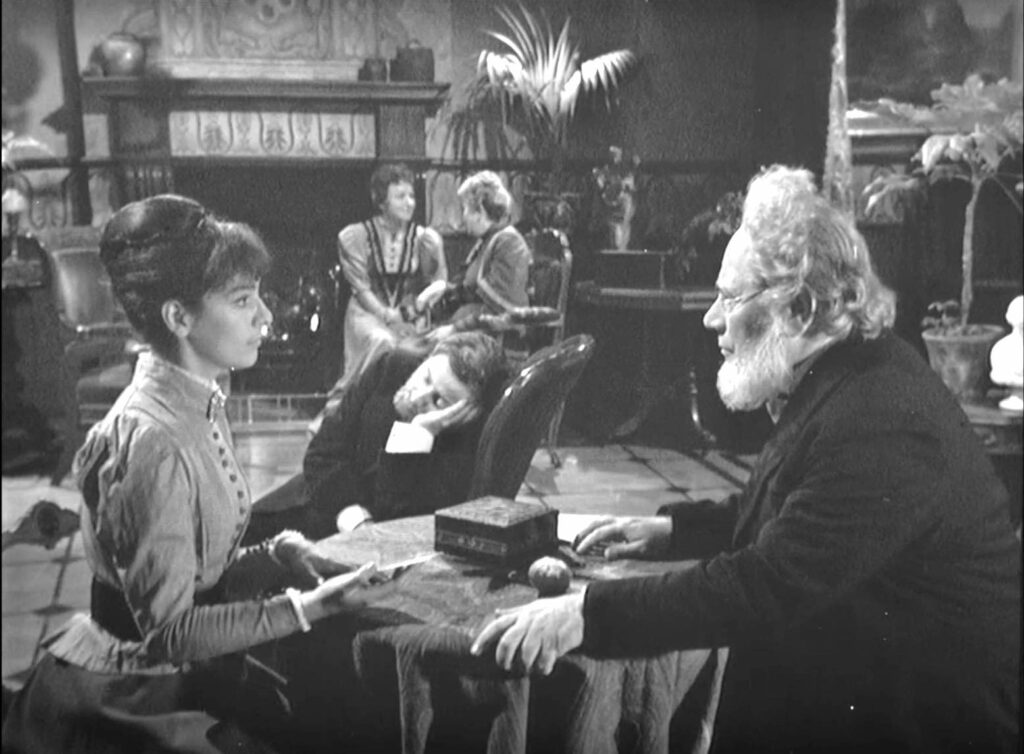
John Wyver writes: Nestled in BBC iPlayer’s box of delights that is the Ibsen collection is a fascinating 1964 curiosity titled The Summer in Gossensass. This is a hour-long drama-documentary — although billed as a ‘documentary’ both here and originally in Radio Times — about a platonic affair in 1889 between the 61-year old playwright, who had recently written The Lady from the Sea, and 19 year old Emilie Bardach.
‘This story is true,’ announces the narrator at the opening. ‘Every event portrayed here is documented by Ibsen’s letters, Emilie Bardach’s diary, and first-hand contemporary accounts.’ Scripted by Caspar Wrede and translator Michael Meyer, whose acclaimed biography of Ibsen was published in 1967, and produced and directed by Wrede, The Summer in Gossensass is interesting both for its take on its subject matter and for the distinctive, at times innovative, filmmaking strategies that it employs.
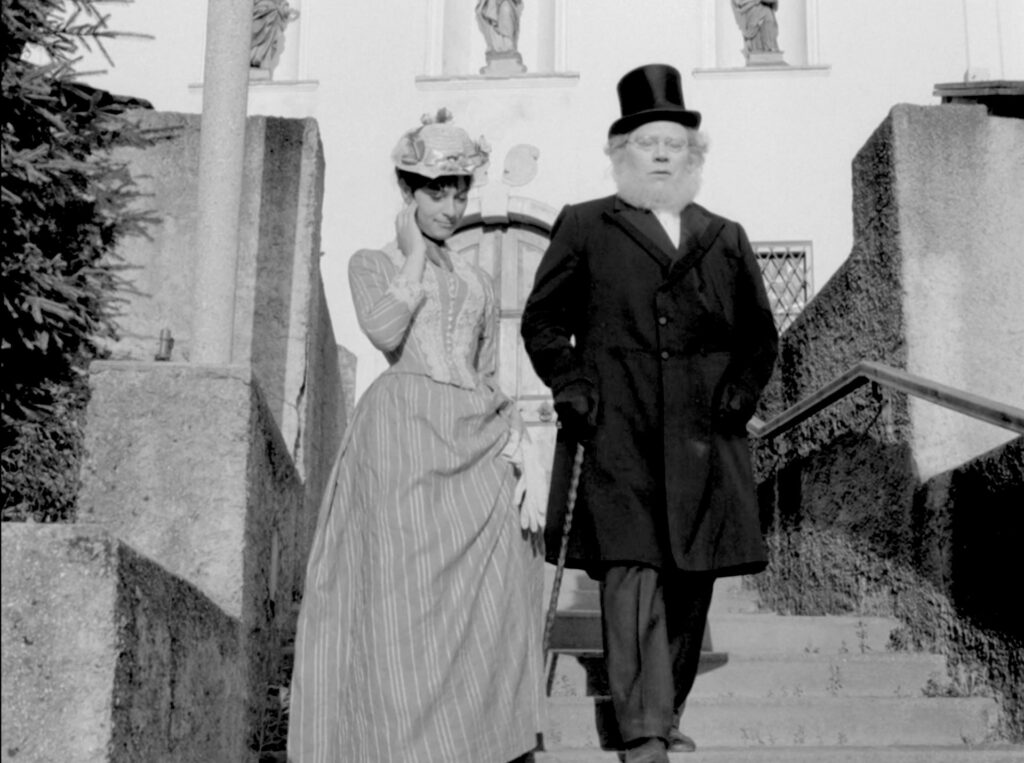
Much of the film is an immaculately filmed recreation of incidents in the weeks when Ibsen encountered the young woman when on a holiday with his wife in the alpine village. We see the pair walking around the village and the surrounding landscapes of the South Tyrol. Ibsen is played by the Norwegian writer, poet and actor Claes Gill, who had run a theatre in Stavanger in the 1950s and played the lead in the well-regarded 1959 Norwegian feature film, The Master and his Servants.
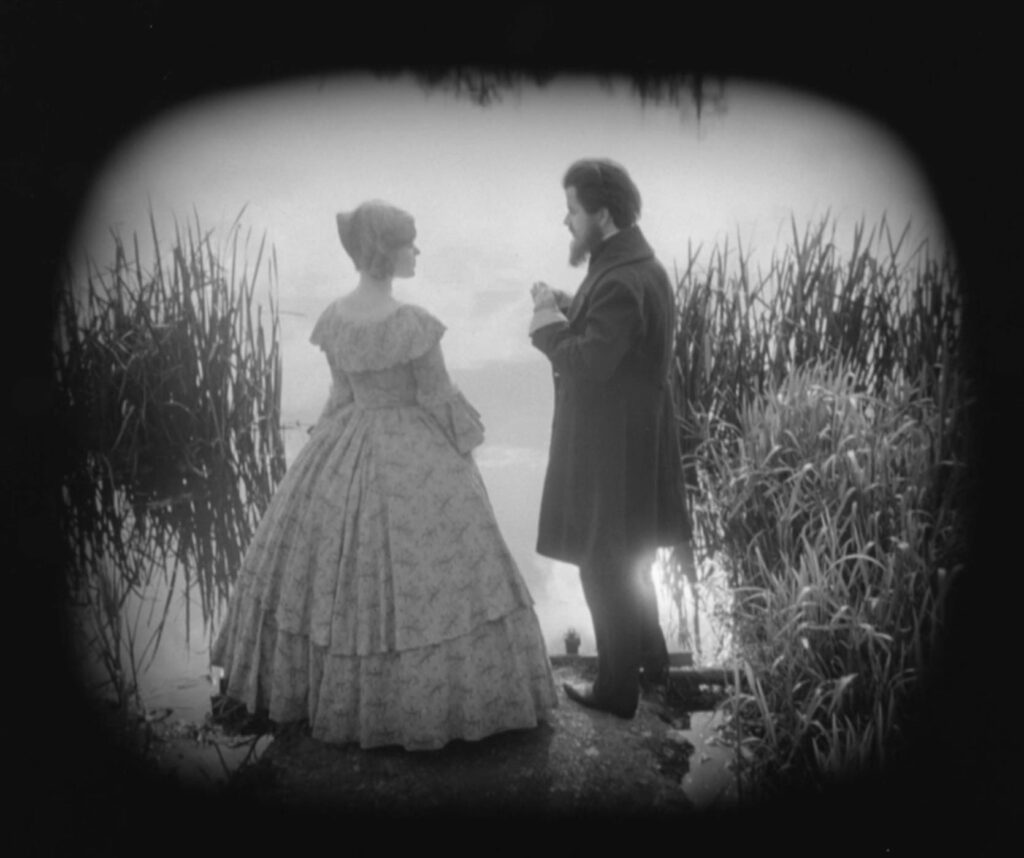
Emilie is played by Camilla Hasse, who had a host of small roles in British television through the 1960s, including in The Saint, Mogul and The Prisoner. The other notable cast member is, somewhat oddly, Rodney Bewes, just about to start making the first series of The Likely Lads, and who here appears in scenes that, in the manner of silent film drama, recreated without dialogue, events in Ibsen’s youth relating to an affair and a ‘symbolic marriage’, as below.
Counter-pointing the drama in 1889 are scenes from Ibsen’s drama The Master Builder, with Gill playing the ageing architect Halvard Solness and Hasse as the young woman who fascinates him, Hilde Wangel (a character who Ibsen had introduced in The Lady from the Sea).
After Gossensass, Ibsen wrote Hedda Gabler, which premiered in 1891, and then The Master Builder, first performed early in 1893. Still to come from his pen were Little Eyolf in 1894, John Gabriel Borkman in 1896, and finally in 1899, When We Dead Awaken. (BBC television productions of Little Eyolf and The Master Builder are available on iPlayer – click the titles for links – but not John Gabriel Borkman or When We Dead Awaken.)
The central conceit of The Summer in Gossensass is that the relationship between Halvard and Hilde in The Master Builder draws deeply on Ibsen’s encounter with Emilie, although as she is quoted as saying after she had watched the play many years later, ‘I didn’t see myself, but I saw him.’ Emilie did not die until 1955.
Scenes from The Master Builder are interspersed throughout, with Gill and Hasse playing their respective roles; see below for a screengrab from one such scene, and compare this with the header image from the 1889 drama-documentary elements.
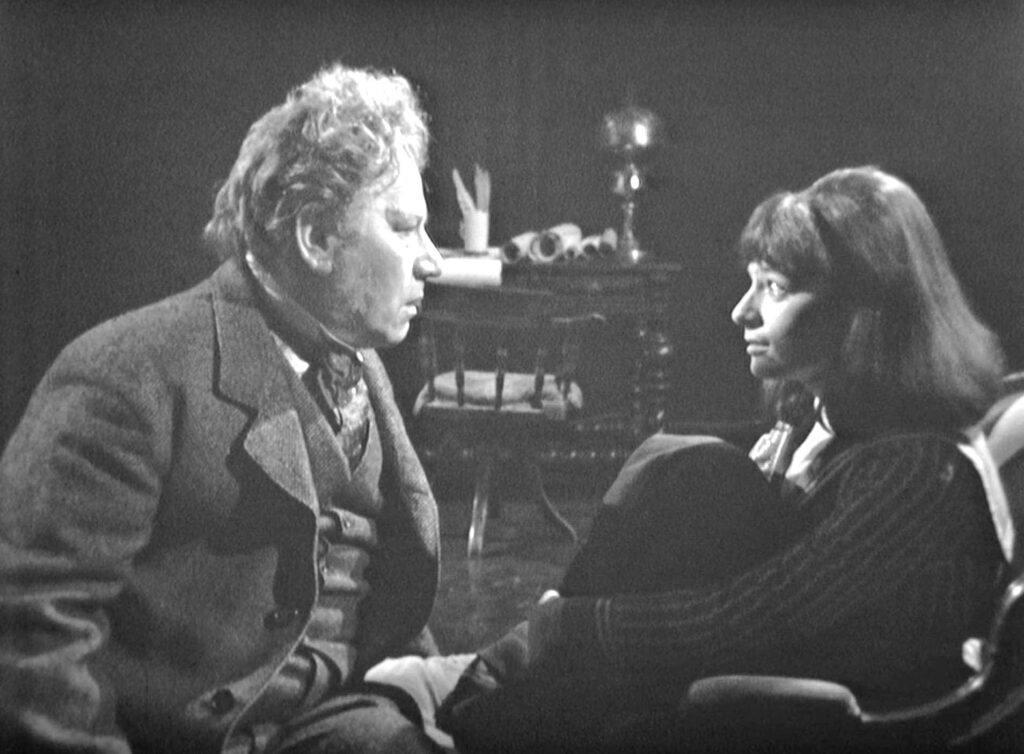
Whereas the 1889 sequences are graced with the comparatively lavish sets and costumes of conventional period drama, the scenes from The Master Builder, as well as in the second half of the film from Hedda Gabler and When We Dead Awaken, are played in a void, either black or white, with minimal props and an abstracted filming style. The parallels are for the most part suggested rather than spelled out, and the film’s oblique rather than literal expression of its thesis is among its most attractive features.
The character analysis that emerges posits that, both as a young man and in his later years when attracted to Emillie, Ibsen was unable to express and act upon his emotional responses. As the narration details this understanding:
Once more [with Emilie] life had come knocking and again he was unable to unlock the door. It was the poet’s and the dreamer’s answer to life. He could not seize hold of it. The experience was only to be used as material for drama. Such was his fate.
His repression, the film proposes, feeds not only into The Master Builder but also into Hedda Gabler, the title character is proposed as an unconscious self-portrait of the playwright. Again, following a concluding fragment of When We Dead Awaken, above, we are told,
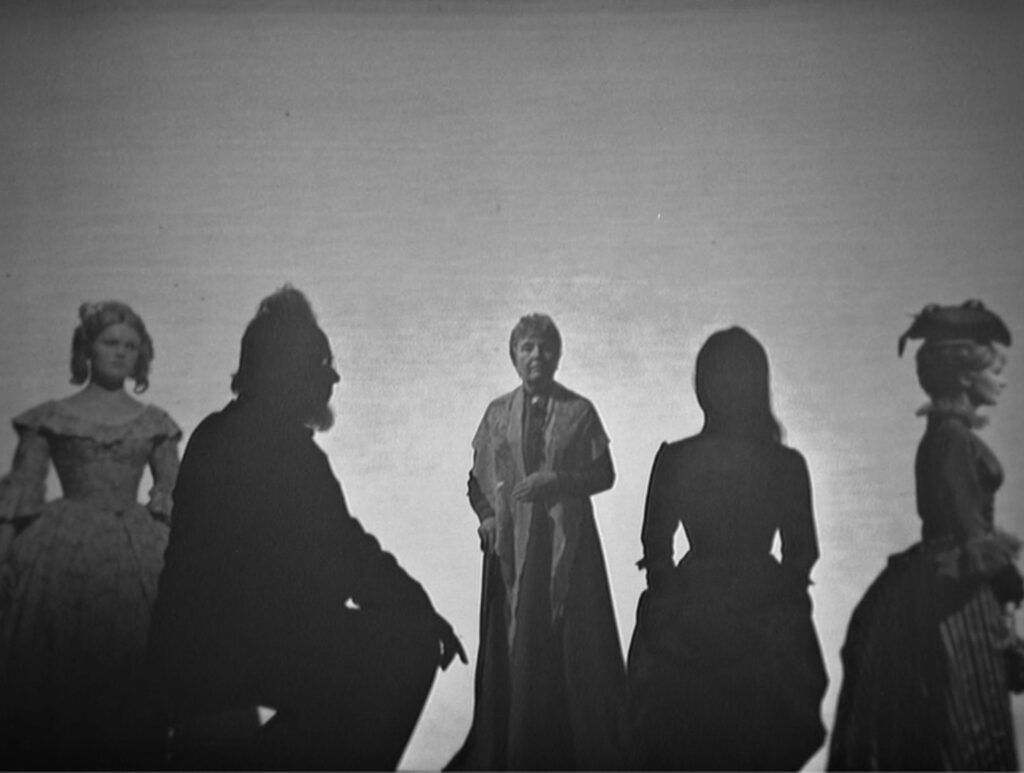
As a result of his meeting with Emilie Bardach, a new glory but also a new darkness, entered into his work.
From the distance of today, after a time that is also almost the seventy-five years that separated the events of the film from its production, our contemporary response is likely to be rather more suspicious than is the script of the creepiness of Ibsen’s interest. We are probably also more critical of him later breaking off all contact with Emillie after they had been corresponding, and then effectively denouncing her to colleagues as a predatory ‘monster’. Even if, as the film suggests at the close, the relationship meant much to him at the end of his life.
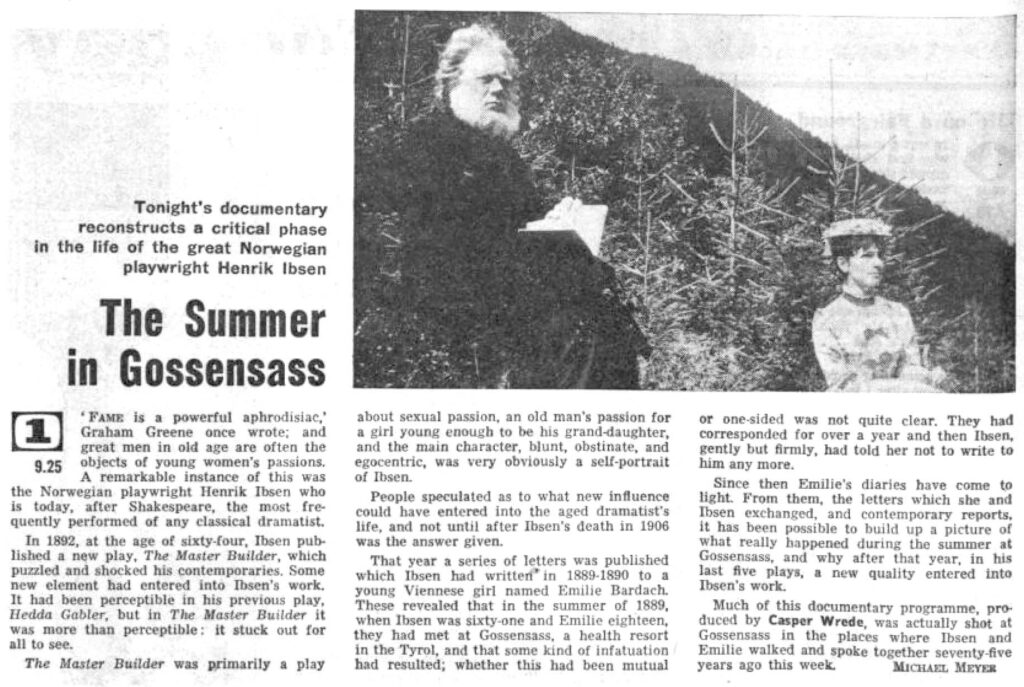
It is not clear from the Radio Times feature that accompanied transmission on 15 September 1964 quite what was the source of the BBC budget, although it does not seem to have been arts commissioning (and this is just ahead of the creation in 1965 of the BBC Music and Arts Department).
Strikingly, though, the film seems not to have been constrained in the manner that Ken Russell’s work was on Elgar, 1962, and Béla Bartók, transmitted in 1964 only four months before The Summer in Gossensass. On those profiles Monitor editor Huw Wheldon forbade the director to dramatise with dialogue extended sequences from the lives of the composers, so that as Michael Brooke wrote for BFI ScreenOnline, the latter portrait
is largely made up of silent shots of Boris Ranevsky in the title role, interspersed with historical footage and imaginative visualisations of key aspects of Bartók’s music.
The film’s producer and director Caspar Wrede was Finnish, but he had been in England since 1951, first at the Old Vic Theatre School where has was much influenced by Michel Saint-Denis, and then in partnership with Michael Elliott running the 59 Theatre Company, which staged bold productions of Ibsen’s Brand and Little Eyolf, and later the 69 Theatre Company. He was one of the founders of the Manchester Royal Exchange and in 1970 directed the feature film adaptation of Aleksandr Solzhenitsyn’s novel One Day in the Life of Ivan Denisovich.
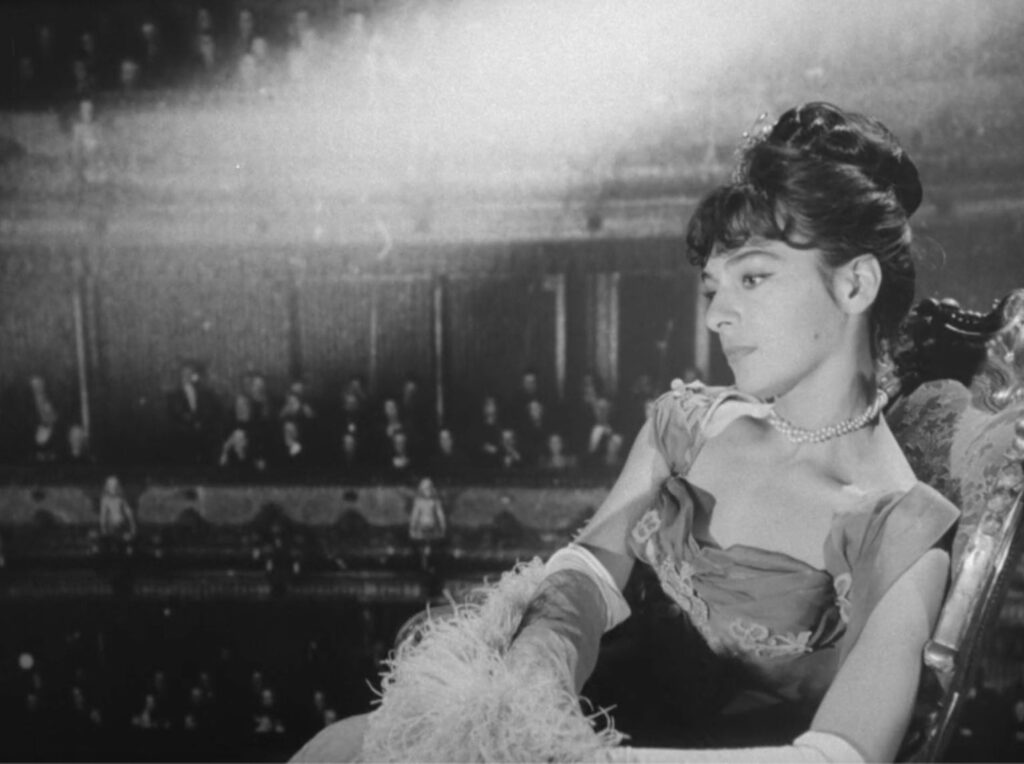
The Summer in Gossensass is strikingly achieved through a combination of location-shot material (with monochrome cinematography by Jimmy Court, best-known as a contributor to Doctor Who) and studio drama, which I think was also made on film. The image quality in the BBC print is exceptional, which suggests it was made on 35mm. Wrede also uses montages of stills as well as back projection on occasion, for an example of which see above.
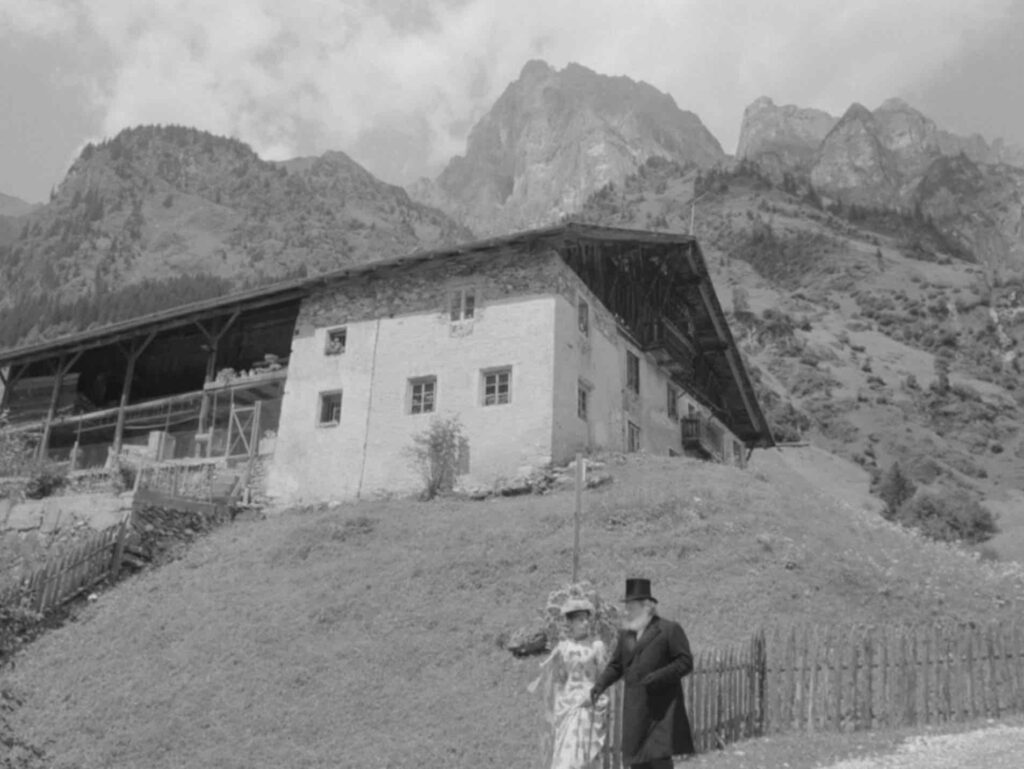
Once again, we owe a vote of thanks to the BBC archives team for discovering, restoring and making freely available a film that I certainly had never heard of, which is satisfying in its own terms and which also illuminates another aspect of production from Television Centre in the 1960s. Takk!
See also:
- BBC Ibsen 1: the archive: introduction to and overview of the BBC iPlayer collection.
- BBC Ibsen 2: The Lady from the Sea, 1953: thoughts on the Harold Clayton production with Irene Worth.
Leave a Reply