22nd February 2026
John Wyver writes: This week’s selection of stuff that I’ve found interesting and enriching over the past seven days.
We lost the great documentary filmmaker Frederick Wiseman this week, and there have been numerous fine tributes; among the richest articles I’ve found online are the following:
read more »
17th February 2026
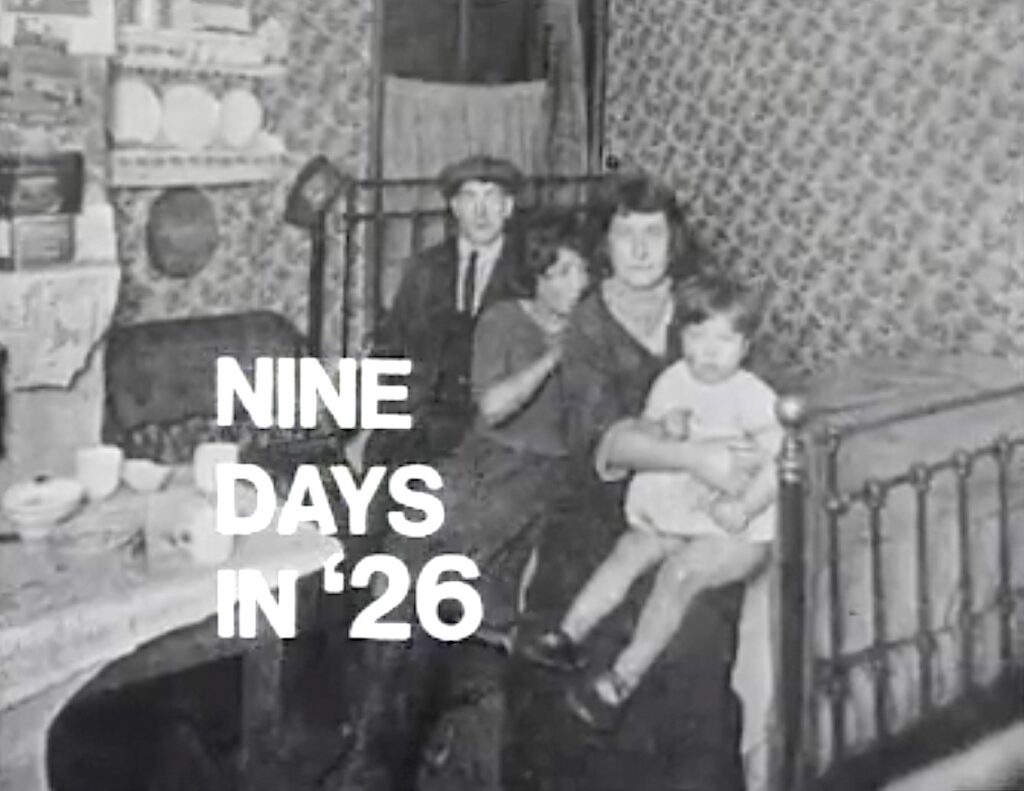
John Wyver writes: Registration is now open for the one-day symposium on 27 March centred on the films of the great television documentary filmmaker Robert Vas. The symposium is complemented by a rare screening of Vas’ remarkable film about the 1926 General Strike, Nine Days in ’26, made in 1974. More details about Vas and both events are below. The events, which are ticketed separately, are free, but registration is required; if you are interested, please sign up via these links:
Symposium details and how to book: https://www.bbk.ac.uk/events/event/59932/robert-vas-in-context
Screening details and how to book: https://www.bbk.ac.uk/events/event/59952/nine-days-in-26
read more »
15th February 2026
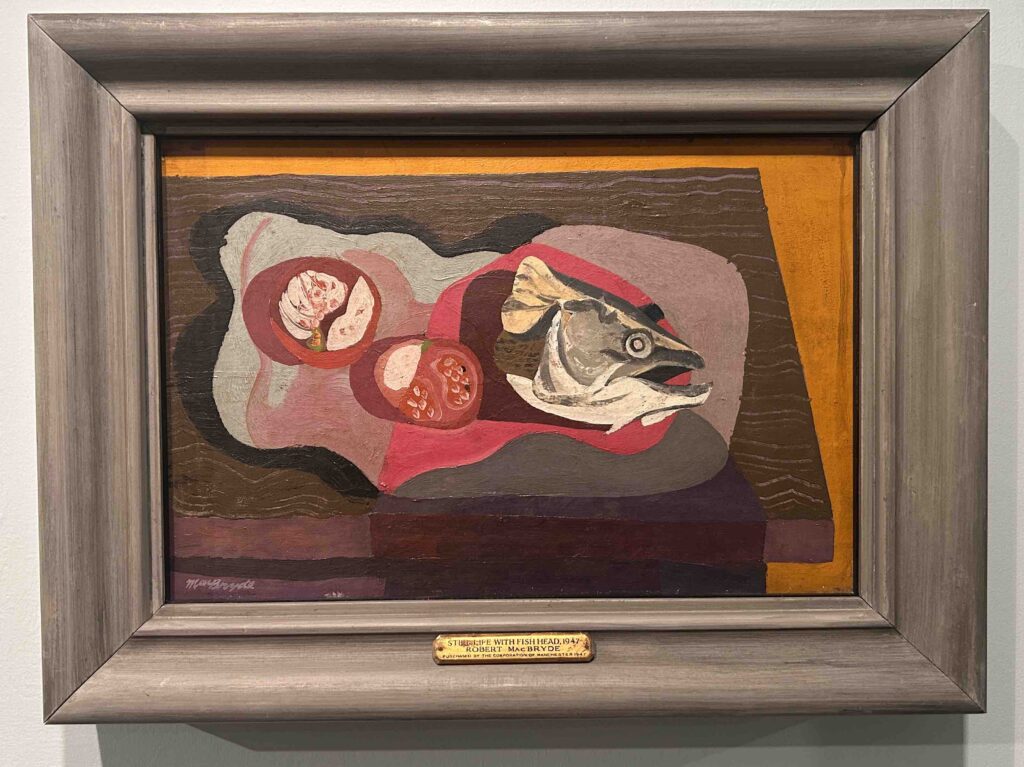
John Wyver writes: The usual weekending miscellany of articles and videos that have engaged and interested me over the past week. The header image is Robert MacBryde’s Still Life with Fish Head, 1947, usually with Manchester City Galleries but currently in the really fine exhibition at Charleston in Lewes, Robert MacBryde and Robert Colquhoun: Artists, Lovers, Outsiders (until 12 April), which I saw this week (and which I may write about soon).
• Local colour: I learned a lot from Justin Stewart’s ReverseShot essay on Rouben Mamoulian’s Becky Sharp, 1935, the first full-length non-animated feature film made in Technicolor.
• Bardot at the Notting Hill Coronet: James Meek is very good on ‘BB’ for LRB [£; limited free access].
• The truth, Ruth: on the documentaries of Spike Lee, by Alexander Mooney, for POV.
read more »
13th February 2026
John Wyver writes: In case any of the below is of interest, I thought it might be useful to detail the events I’m involved with over the coming months. It would be very good to see any of you present at any of them. The links in the titles of each element will take you to further details.
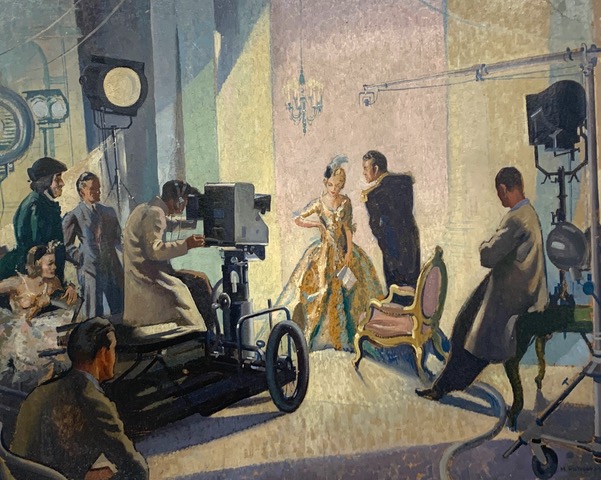
• Magic Rays of Light – A Talk for the Art Deco Society: In the evening of 17 March I am giving an online talk about British television of the 1920s and 1930s for the Art Deco Society. This will draw on my research for the recently published Magic Rays of Light: The Early Years of Television in Britain, and I’m aiming to provide an accessible and enjoyable overview along with a host of rare illustrations. The header image, of course, is Starlight by Harry Rutherford, a detail of which graces the book’s cover.
read more »
8th February 2026
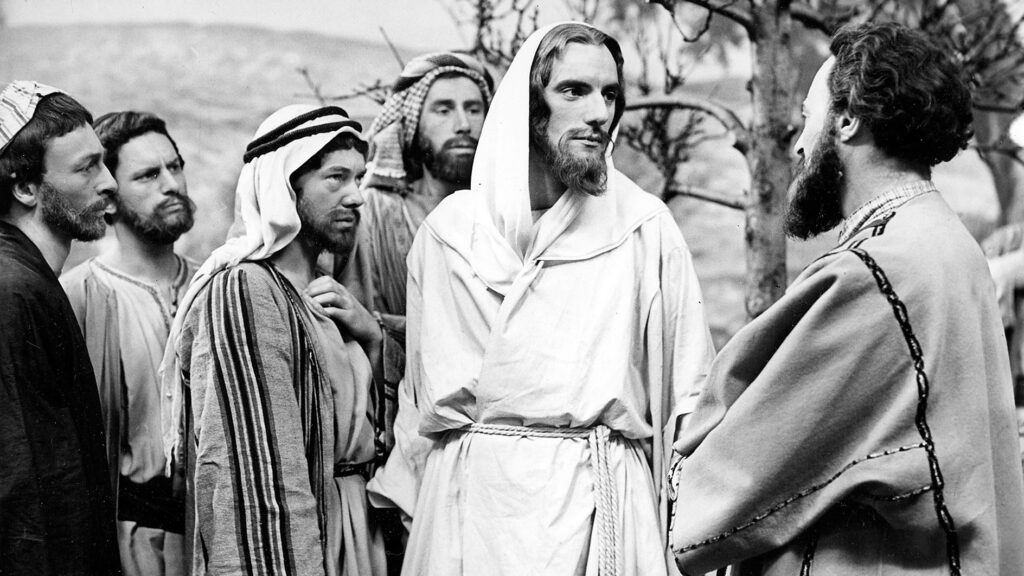
John Wyver writes: In this week’s choice of links that have interested and engaged me across the past week I have resolutely set my face against explicit engagements with the hideous politics of the world, although of course they have crept back in in cultural forms. I hope you find something that is useful or diverting.
• Depicting Jesus: an absolutely fascinating History of the BBC web essay by Paul Hayes about the children’s serial Jesus of Nazareth broadcast 70 years ago; the header image shows Hugh Dickson as Nathaniel Bartholomew, Philip Guard as Philip, Michael Bryant as John, Richard Grant as James, Tom Fleming as Jesus and Anthony Jacobs as Judas in a scene from episode five, Jesus the King.
read more »
6th February 2026
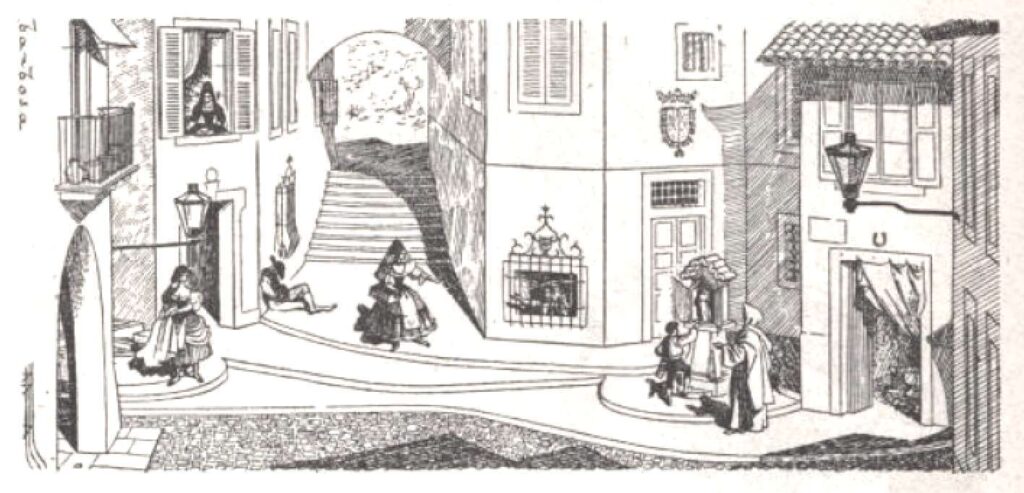
In a way, you’re spoiling us – and we’re grateful. ‘Us’ being the nerdy types fascinated by television’s deep archive. For so long, because of rights restrictions and a general lack of interest, television’s history, beyond select monetisable shows like Doctor Who and Dad’s Army, remained largely inaccessible. But now programmes that I had barely even heard of are popping up on BBC Four and, for shorter or longer periods, on BBC iPlayer.
read more »
5th February 2026
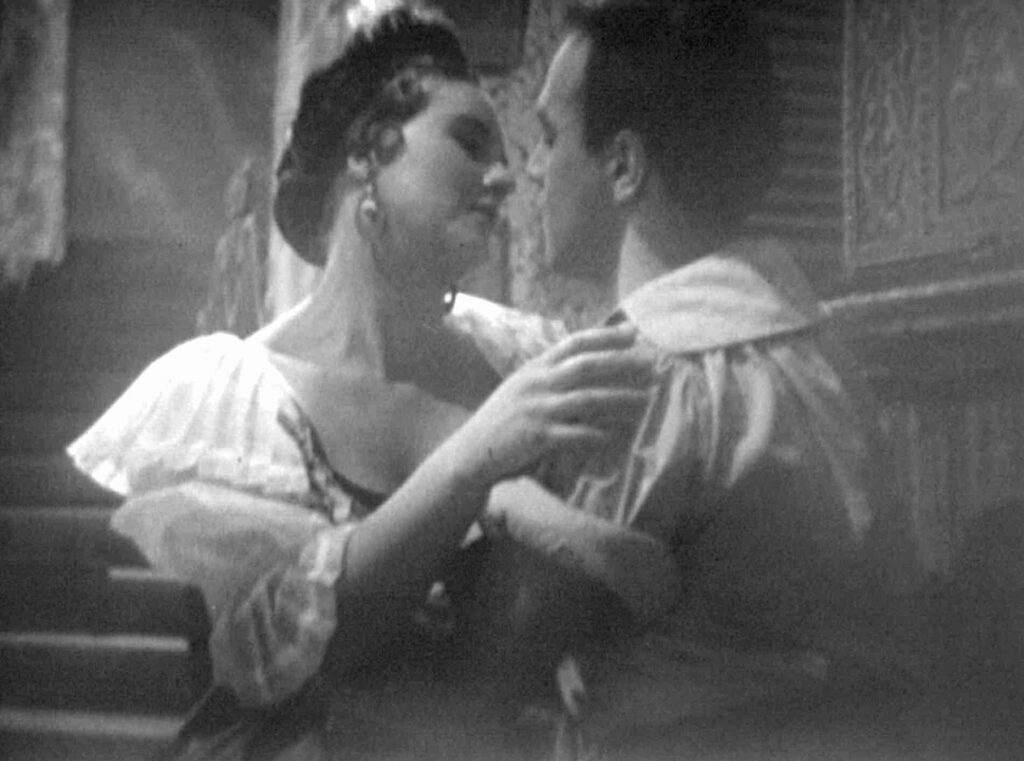
John Wyver writes: With the 1956 BBC production of Arthur Benjamin’s commissioned opera Mañana currently and pleasingly on BBCiPlayer, I have written blog posts about the backstory to the project and about the production as television. This third post explores the contemporary critical response.
read more »
5th February 2026
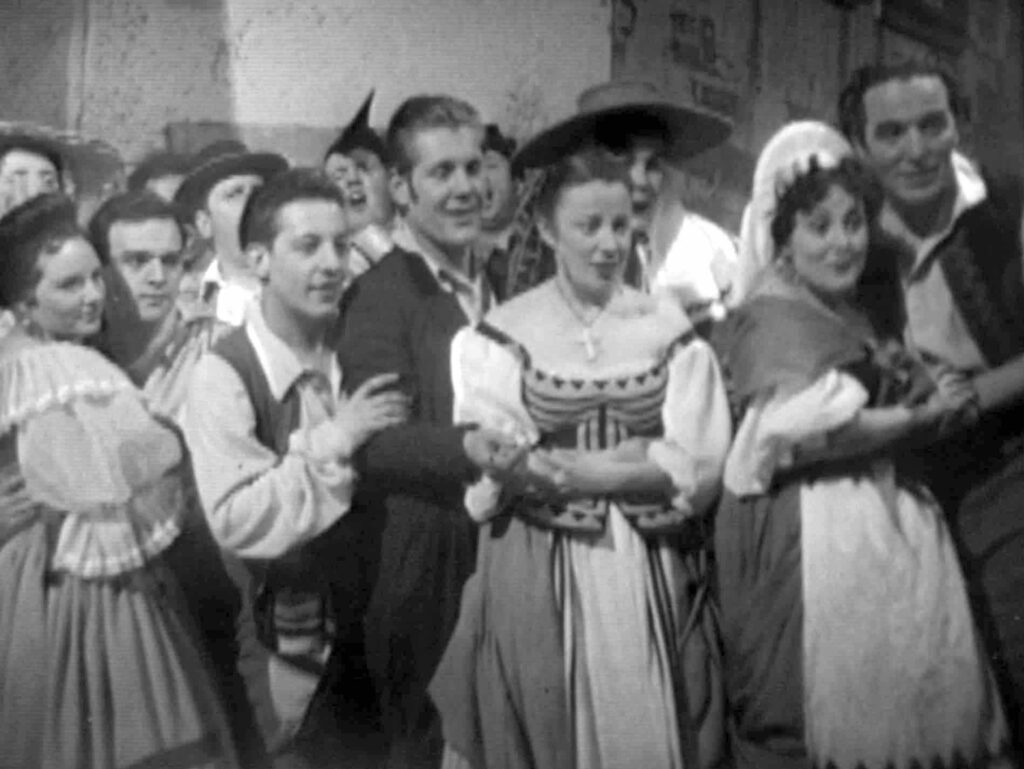
John Wyver writes: In a previous post I sketched the backstory of the BBC-commissioned opera Mañana, composed by Arthur Benjamin and produced for television in February 1956. Thanks to the seventieth anniversary, a digitally restored version of this transmission was shown on BBC Four and is available on BBC iPlayer for a short time only. Here, I want to offer some thoughts on the production as television; I would love it if someone more qualified than me could write about the music and performances.
read more »
4th February 2026
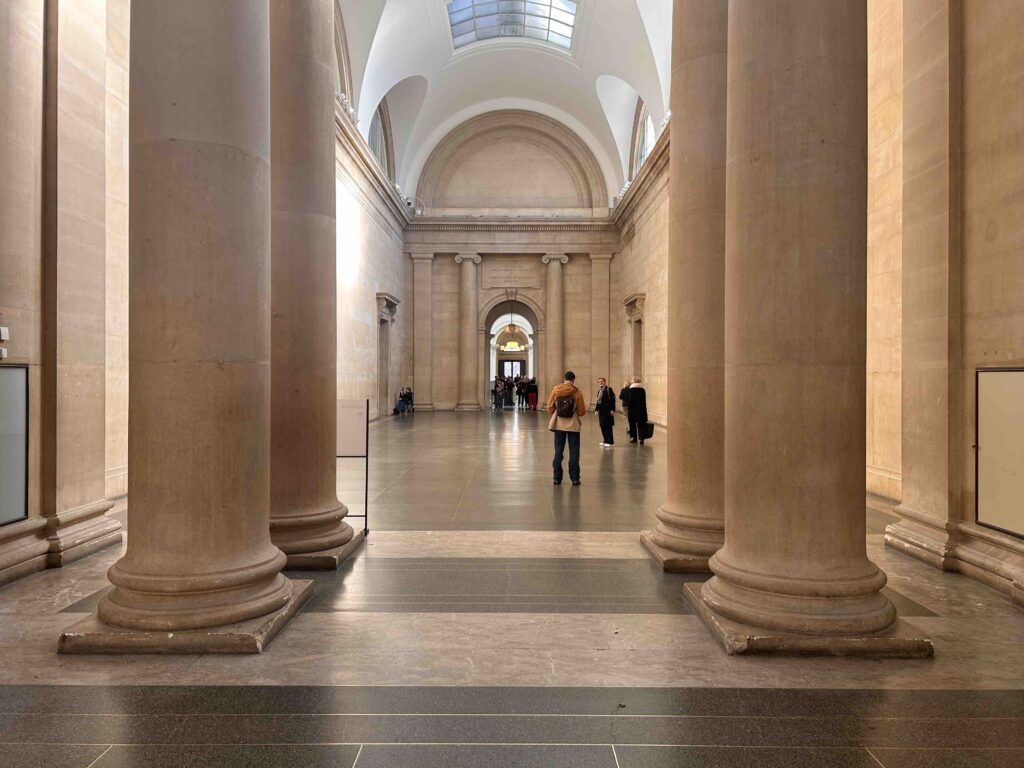
John Wyver writes: An inconsequential observation, and as such one that hardly warrants its own post. But I was at Tate Britain this morning, among crowds attracted by the final days of Lee Miller (until 15 February) and the blockbuster Turner& Constable: Rivals and Originals (all day tickets sold by 10.30 or so when I arrived). With such pleasures on offer the curatorial staff have clearly felt that, following a recent presentation of Tate’s major Epsteins, the lofty central Duveen galleries (that’s the south one, above) and central rotunda can be left empty for a while.
Although I have noticed this quirk before, I was especially taken today by the ‘ghost’ shadows on the stone (marble?) paving. Marks made by heavy sculptural installations from the past, these seem to inhabit the floor of the south Duveen gallery in a rather unique way. Something about the surface means that these traces of lost exhibitions persistently resist cleaning away.
read more »
3rd February 2026
John Wyver writes: Late on Sunday night, BBC Four brought to the screen the 1956 BBC production of Arthur Benjamin’s 75-minute opera Mañana. The transmission was 70 years to the day after its television premiere, and the recording is now available for the next 29 days on BBC iPlayer. The resurrection of this from the archives is remarkable, just as is the current availability of the 1953 The Lady from the Sea, and one can only hope it suggests that the schedulers will continue to burrow into the available riches.
Frustratingly (and I’m tempted to add, of course) there is no detailed information available on iPlayer, and not even a still, while on transmission there was only a spare line of presentation voice-over noting the anniversary.
So ahead of thoughts about the production in a post later this week, today I’m sharing something of the backstory to the opera’s production gleaned from Radio Times and other online sources. The drawing above accompanied a feature in the Radio Times issue of 27 January 1956, when the production graced the magazine’s cover.
read more »