We are delighted to showcase as a guest post this richly interesting and and remarkably useful guide to the BBC drama series Centre Play by our friend and television scholar Billy Smart (who himself blogs here). Our thanks to him for permitting us to share more widely his reflections that were originally compiled for a group of friends and colleagues. We very much hope he will contribute other posts that draw on his extraordinarily extensive viewing and deep understanding of the history of television drama.
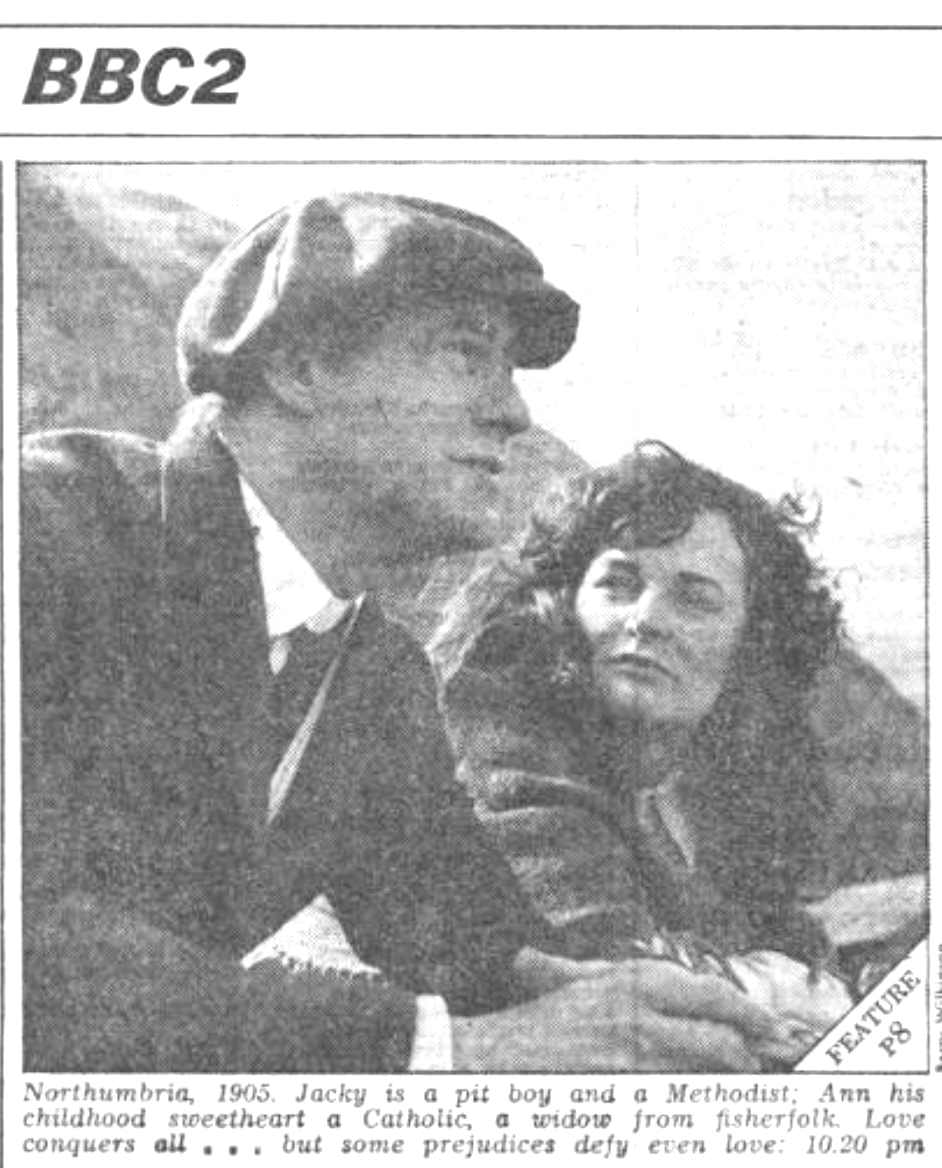
Billy Smart writes: In 1973 the long-running BBC2 Thirty-Minute Theatre (1965-73) strand bifurcated into two separate series. Second City Firsts (1973-78) plays were produced from BBC Birmingham at Pebble Mill, with a specific remit to create new writing and filmmaking from the regions. If you have a keen interest in old British television drama you will probably recognize the name and have seen one or two.
But the complementary Centre Play strand, which ran until 1977, has never achieved the same name recognition, despite its very distinctive opening credits design that looks like a rainbow going down a plughole. Amazingly, almost all of the surviving corpus can now be found online.
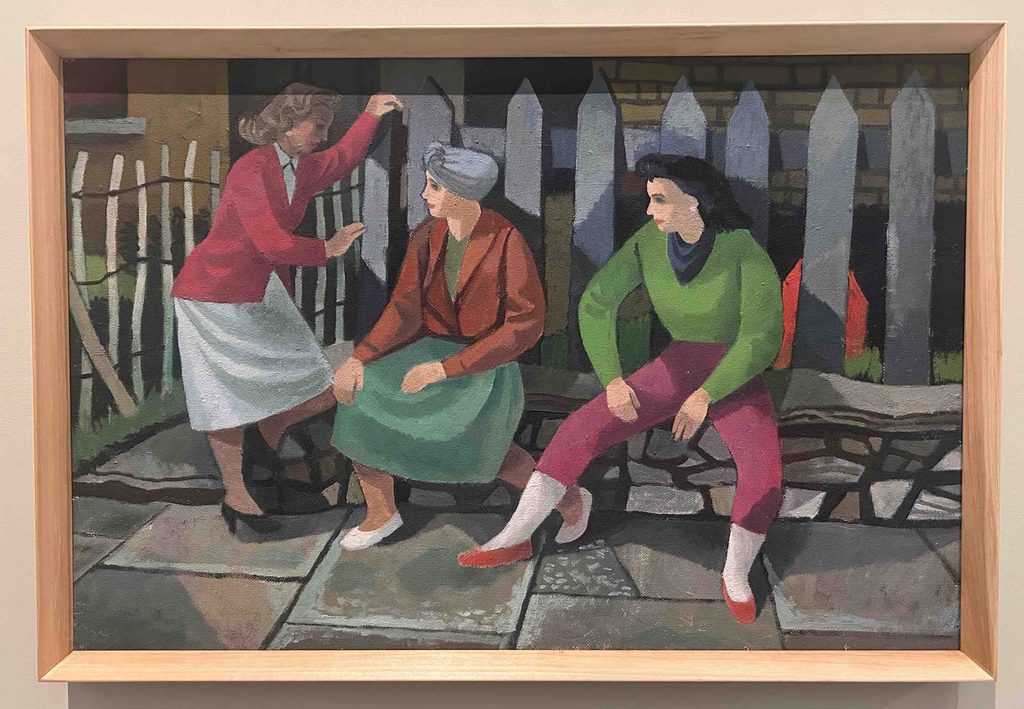
John Wyver writes: As yesterday’s post indicates I was very taken with the Towner Eastbourne’s exhibition Comrades in Art: Artists Against Fascism, which closes tomorrow, Sunday. Here are another ten images from the show which especially struck me, including, above, Cliff Rowe’s ‘Three women talking’, c 1950, from the collections (as are so many of the great loans) from the People’s History Museum, Manchester. Captions follow each of the selections below. Apologies for the reflections in some of my photos, and for the slightly wonky framing.
John Wyver writes: I was today ridiculously late in visiting the Towner Eastbourne’s revelatory Comrades in Art: Artists Against Fascism exhibition — it has been open since May and now you have only until Sunday to catch it. Which, needless to say, you should, in part because it features a host of fascinating and little-known artworks, as well as a wealth of associated contextual photos, diaries, catalogues, posters and the like, but also because it lays out an alternative history of mid-century British art to that accepted as the mainstream. And then there’s its telling of a hopeful and inspiring tale of engaged artists standing against fascism. So perhaps there is a lesson or two there for us.
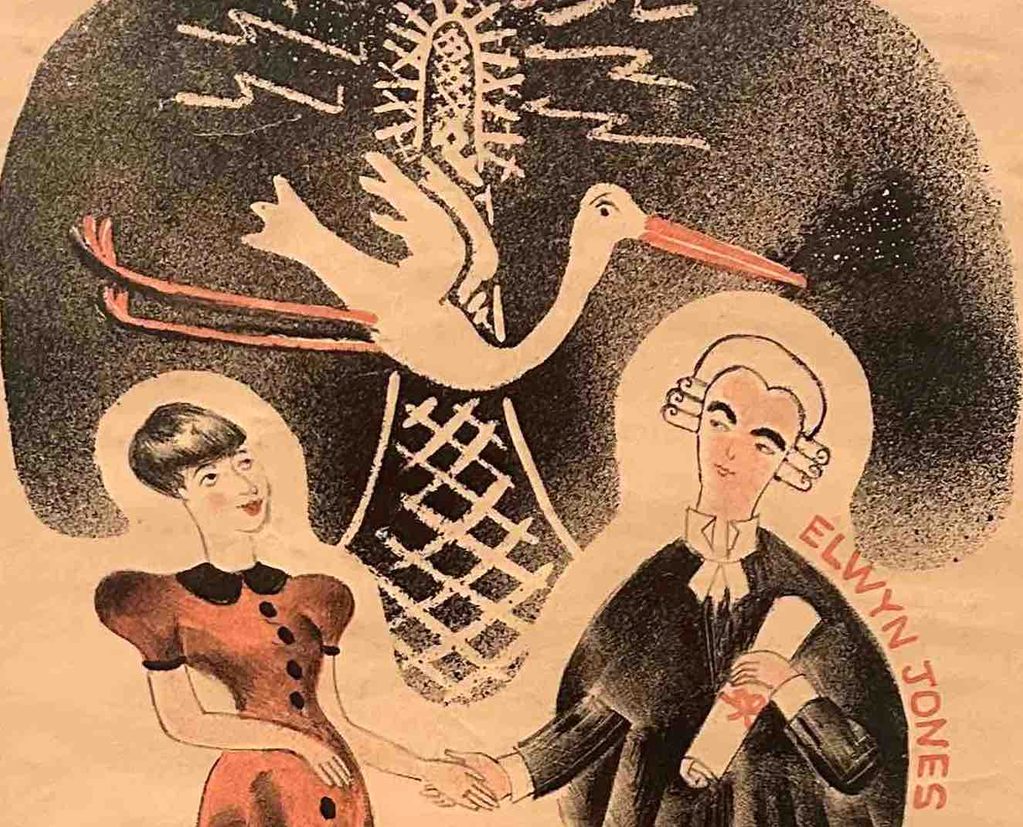
Developed from Andy Friend’s exceptional book Comrades in Art: Artists Against Fascism 1933-1943, published by Thames & Hudson last autumn in a gloriously illustrated edition, the show relates the story of the Artists’ International; Association (AIA), and highlights the work of eleven of its key members: Peggy Angus, Pearl Binder, James Boswell, James Fitton, Margaret Fitton, James Holland, Percy Horton, Peter Laszlo Peri, Betty Rea, Cliff Rowe and Nan Youngman.
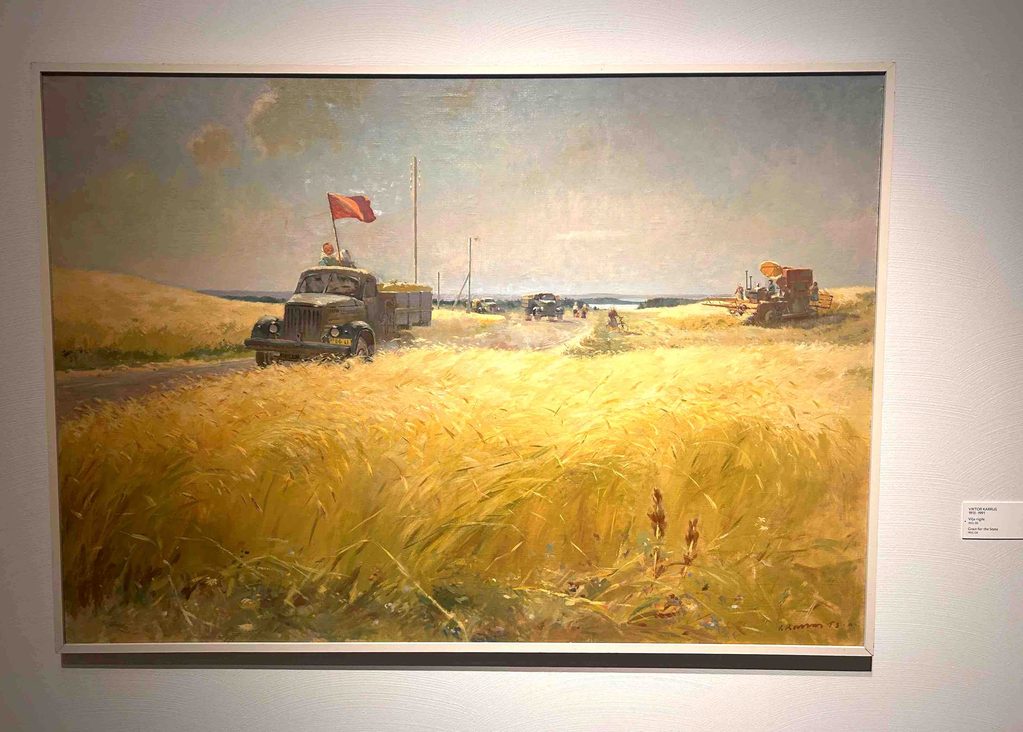
John Wyver writes: My schedule is all over the place, disrupted by family issues and other commitments. But here is a collection of interesting articles and more that I might have contributed last Sunday, and which I hope will get me back to posting more regularly. My somewhat seasonal and socialist realist image is ‘Grain for the State’, 1953, by Viktor Karrus, seen recently in the collection of KUMU Art Museum in Tallinn.
• The moment of Trevor Griffiths’ Comedians: when jokes became lead pellets: marking the fiftieth anniversary of Griffiths’ great drama, Stephen Wagg contributes a short post on ‘ the decline of a shared national comedy culture, and the growing influence of comedians in shaping political and social conversations’.
• Nonpredictive texts: for LA Review of Books, Elizabeth Alsop is just terrific on perhaps my favourite TV show of the year so far, DTF St Louis, and other works by writer, director and showrunner Steven Conrad.
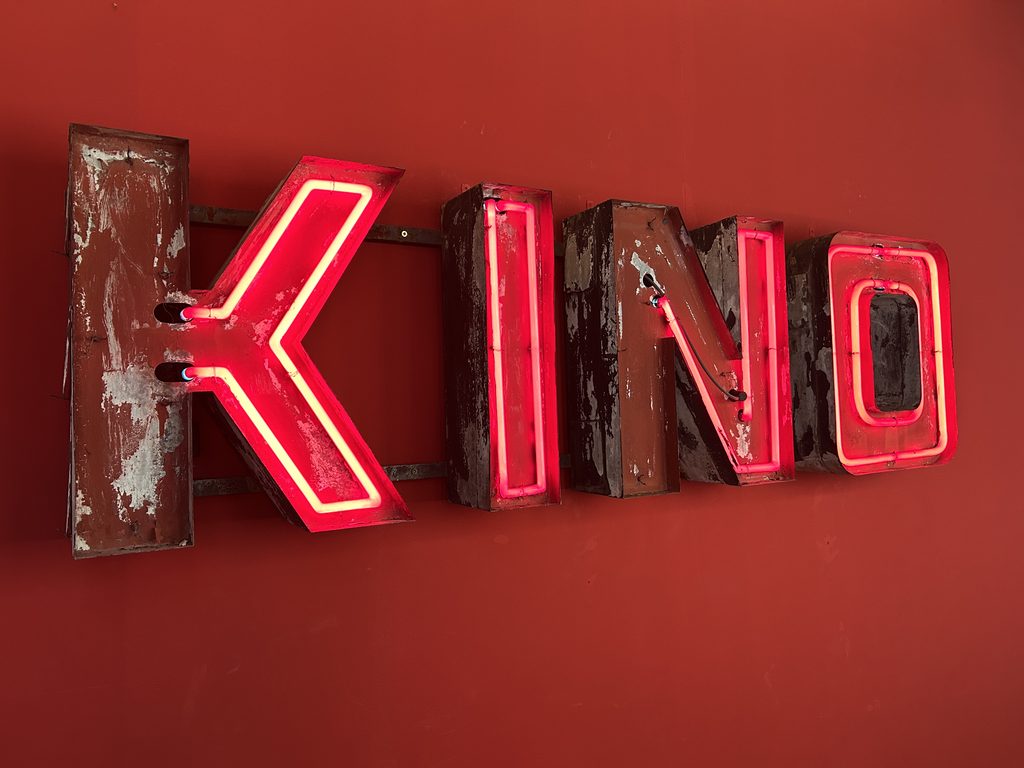
John Wyver writes: I have been away, on an excellent trip to Warsaw, Tallinn and Helsinki, and so have neglected the links for the past two Sundays. Here is a catch-up selection of stuff that has recently caught my eye, with the intention that I will return to a proper Sunday column next weekend; I may also add a handful of extra links here. The image above is from the fascinating Neon Museum in Warsaw, which I will discuss more in a future post.
• The 100 best TV shows of the 21st century: The New York Times [gift link] begins another of its mega-listing stunts, which will doubtless prove infuriating and invaluable in about equal measures.
• Not a civilisation, an organ: there’s so much to engage with and reflect on about AI at present, and this blog post about agentic swarms by the ever-excellent Bill Thompson should be near the top of your reading list.
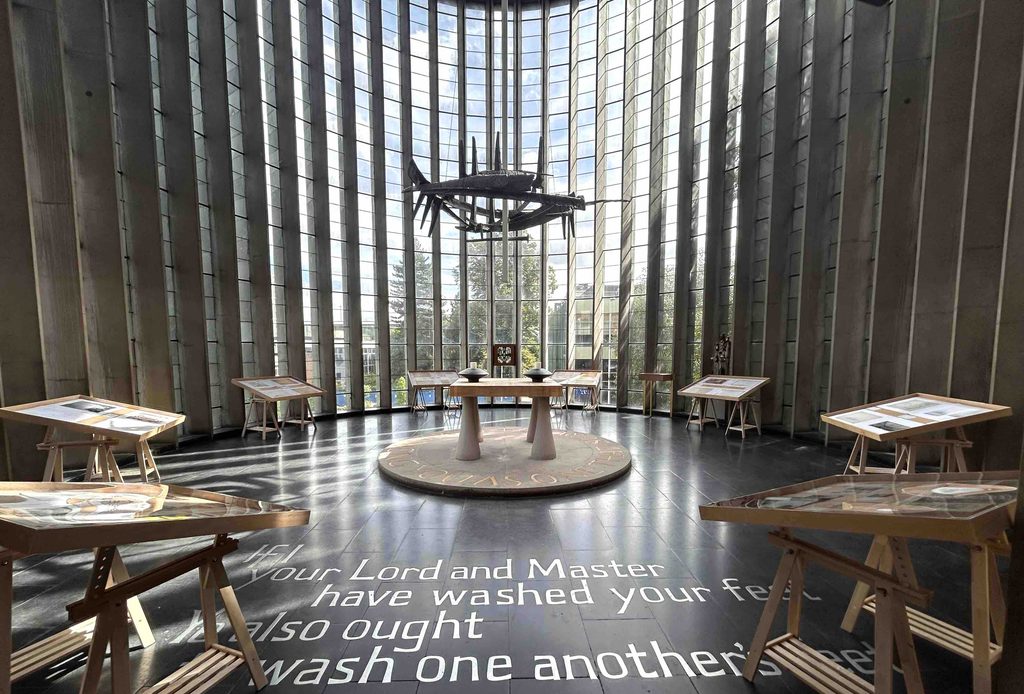
John Wyver writes: To Coventry, to the city’s great and glorious cathedral, and most particularly to the exhibition 75: Towards a New Cathedral (until 21 September), mounted there in the Chapel of Christ the Servant (above). I visited with my friend and colleague Helen Wheatley, who was the consultant on my BBC Four documentary Coventry Cathedral: Building for a New Britain (the link is to the film on Youtube, as here):
When Helen and I, along with our collaborators Todd MacDonald, who filmed and edited, and Ian Cross, who created the very special graphic design, were working on the film in 2021 , I was frustrated by how few traces I could find of the 200-plus entries to the 1950-51 competition to design a rebuilt cathedral after wartime bombing. Basil Spence, of course, won that competition, and now this compact and rich exhibition surfaces a number of those other plans. Helen and I found it fascinating.
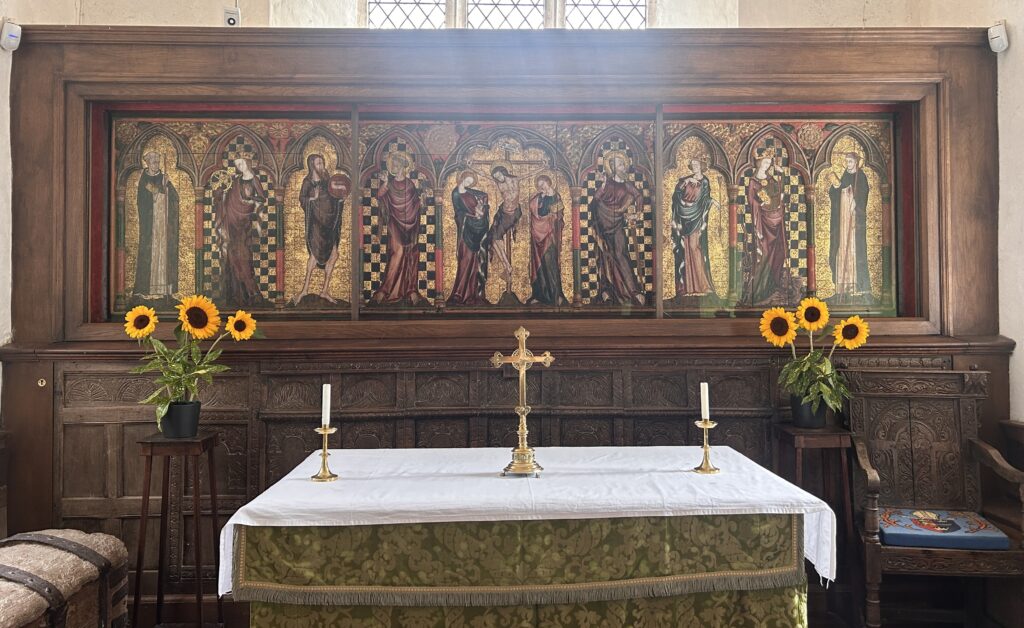
John Wyver writes: One of the pleasures of the past weeks was a day’s ‘churching’ with friends in Suffolk, during which we visited the tiny thatched church of Thornham Parva. Behind the altar is the astonishing and exquisite Thornham Parva Retable (above), the largest medieval altarpiece in England. This is thought to have been made in the 133os for a Dominican priory, and it escaped later iconoclasts by being removed from the church. It was only in 1927 that it was rediscovered, hidden in a woodpile.
Otherwise, apologies for missing a week last Sunday; here is this week’s selection of articles and more that have engaged me recently and enriched my understanding.
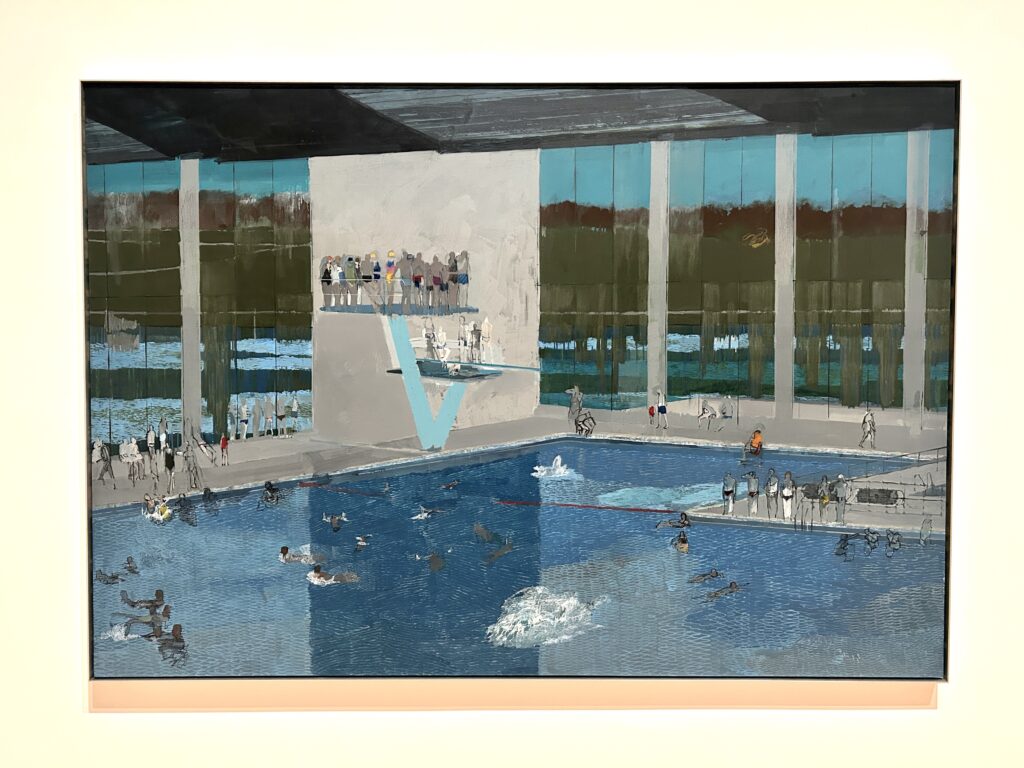
John Wyver writes: Welcome to this week’s collection of articles and more that I have found engaging and enriching over the past seven days. My header image is Hurvin Anderson’s ‘Audition’, 1999, seen at the artist’s really exceptional retrospective at Tate Britain, which closes today. If you’ve missed it, do take a look at Tate’s short video:
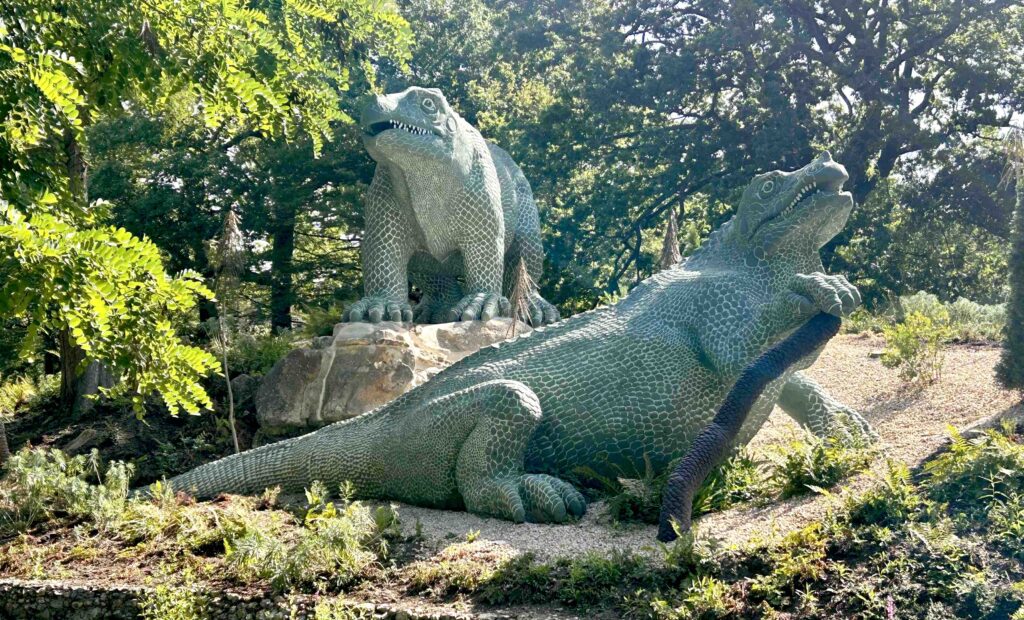
John Wyver writes: The usual Sunday helping of stuff that I have found engaging and enriching over the past week. The header image is of two Hylaeosaurus dinosaurs on the Tidal Lakes Trail in Crystal Palace Park, which we visited last weekend. The recently restored Victorian monsters look wonderful.
• So you want to build an AI star?: a completely fascinating, and disturbing, report by Reggie Ugwu for The New York Times [gift link] about the creation of fake personas on screen…
• Are you a human?: .., and Jill Lepore’s dazzling New Yorker essay [£; limited free access] is the perfect complement.
John Wyver writes: Come with me a little further down the rabbit hole that is Studio BB in the original Broadcasting House. This post follows my two-part ‘This temple of the arts and muses’, the first element of which is here and the second here. And it is prompted by the presence of the grand piano in the photos of Studio BB, as below. This is the story of who played that piano for much of the time during the television years of 1932 to 1934. And unlike the majority of posts on this blog it has romance at its heart.