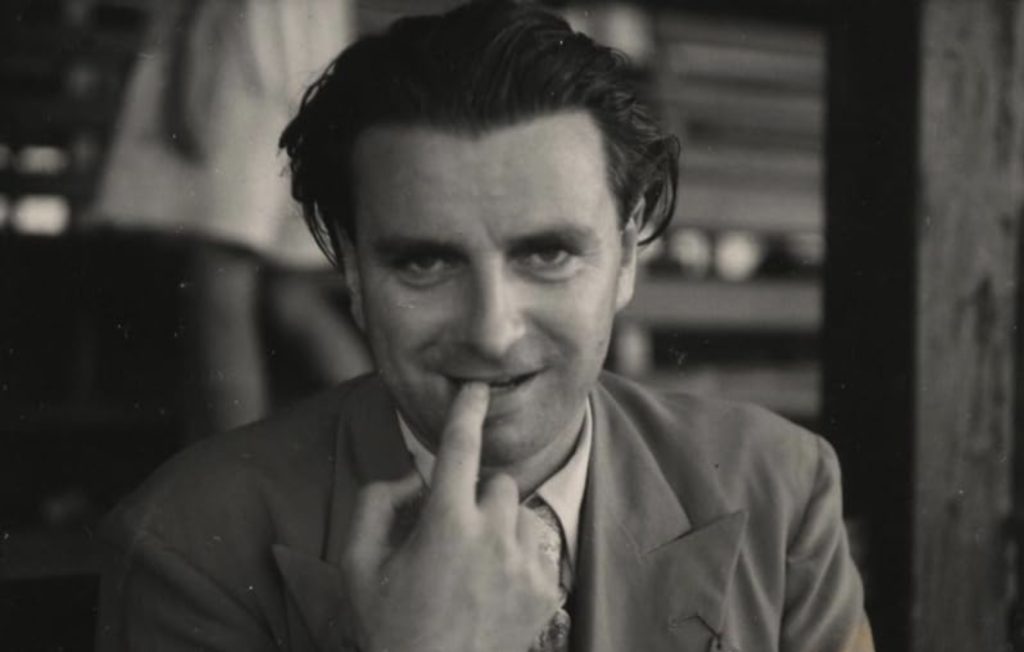
John Wyver writes: AP’s evening of Monday 9 January 1939 featured two contrasting musical offerings: Schubert Night, which combined a biography of the composer with performances, and Lambeth Keeps on Walking, a similarly hybrid feature and variety line-up presented by Tom Harrisson (above) with composer Noel Gay about ‘the career of “The Lambeth Walk”‘.
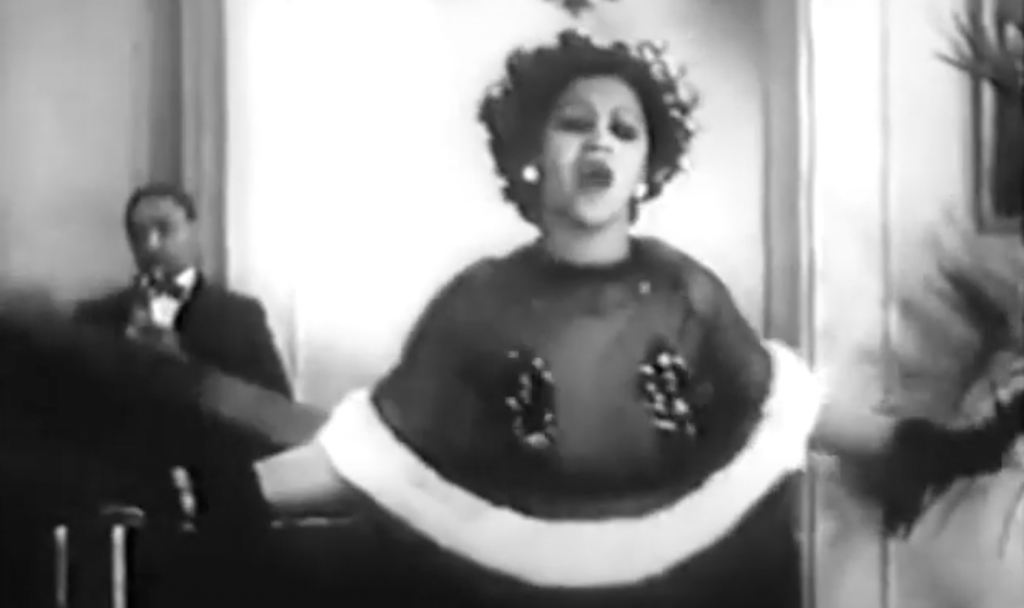
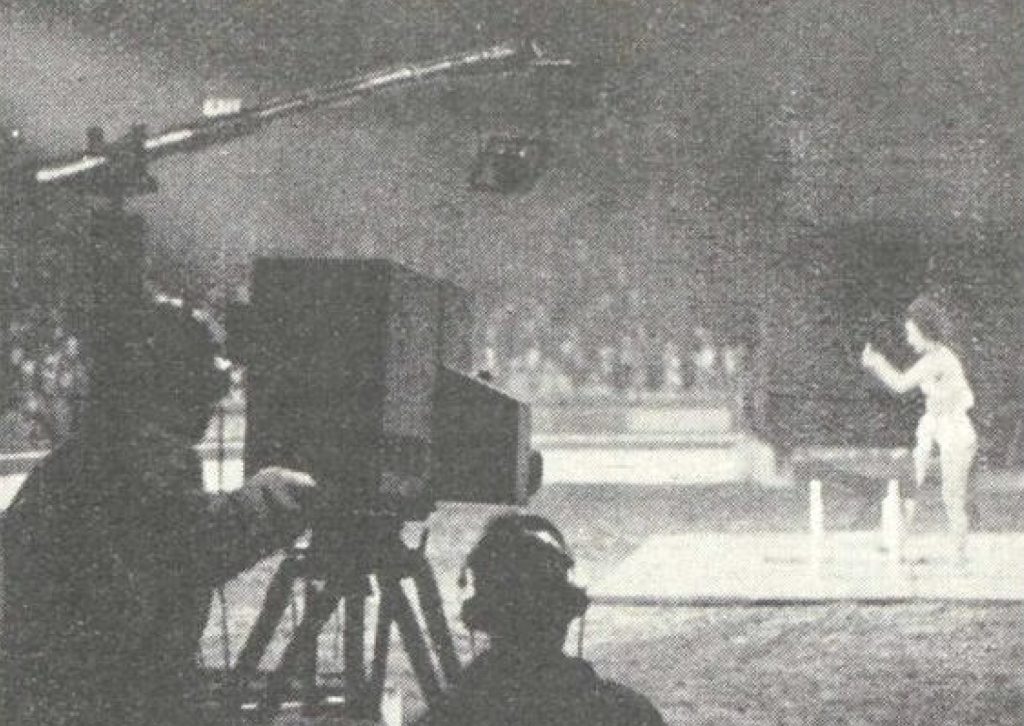
John Wyver writes: on the afternoon of Friday 8 January 1937 Dallas Bower produced Burnt Sepia, a half-hour variety line-up billed as, in the racially derogatory language of the day, ‘an all-coloured cabaret’. This was television’s first variety programme featuring exclusively Black artists, and was headlined by American singer and dancer Eunice Wilson, who can be seen in this 1935 video, a screengrab of which is the image above.
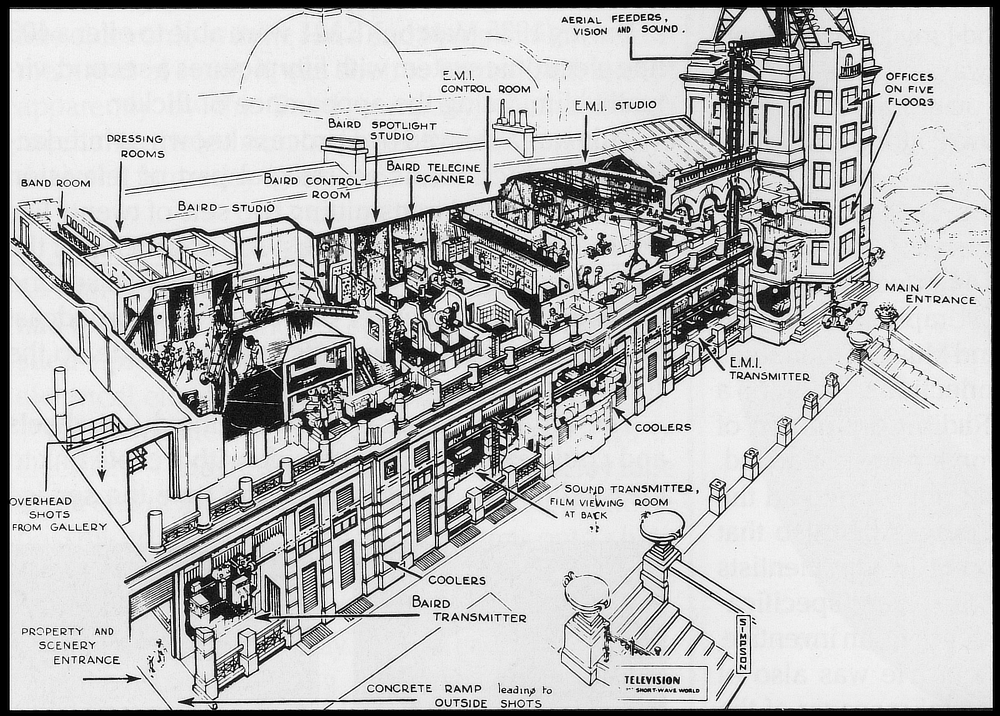
John Wyver writes: on Friday 7 January 1938, when Alexandra Palace broadcast a circus OB, a Pepler masque from Aesop’s Fables, a fashion show, and Archie Harradine revue and a dramatisation of W.W. Jacobs’s horror story ‘The Monkey’s Paw’, The Times carried a lengthy column under the title ‘One television year’ which is among the most vivid accounts of the workings of the pre-war television operation. Today’s OTD reproduces extracts.
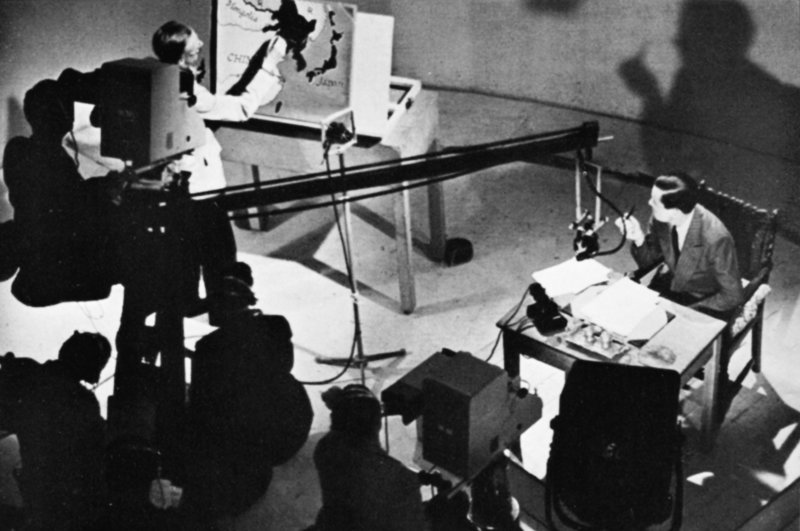
John Wyver writes: on the evening of Friday 6 January 1939, after one of this year’s return visits to Bertram Mills’s Circus, Alexandra Palace offered the eigth edition of News Map, in this case with the journalist and scholar Elizabeth Monroe speaking about ‘the interests of Great Britain, France and Italy in the Mediterranean. Maps drawn live by J.F. Horrabin (to whom we will return in a future OTD) were complemented by film clips, including ‘Italian colonialists in Libya’ from British Movietone, and a handful of photographs, among them ‘three Mediterranean views’ lent by Monroe.
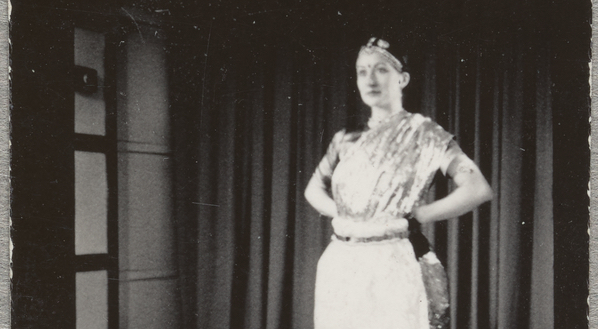
John Wyver writes: One of the things I love about researching early television is how bare programme listings can lead down the strangest and most unlikely rabbit holes. Take the line-ups for the two Picture Page editions on Tuesday 5 January 1938, which featured, among others, Wendy Hiller and Leslie Howard, then filming Bernard Shaw’s Pygmalion at Pinewood; the great German animator Lotte Reiniger; ‘former Russian spy’ Colonel Kaledin (well, not exactly; see the fascinating profile of him on the West Down Community Website); Basque children refugees performing traditional songs and dances; and, in both the afternoon and the evening, Ragini Devi (above), billed as ‘Indian dancer’ performing a Marwari dance.
John Wyver writes: the afternoon of Tuesday 4 January 1938 saw the first outside broadcast visit to Bertram Mills’s Circus at Olympia (above), from where broadcasts would be shown across the next five days. This first transmission featured the opening parade, with the Karpi Troupe of Acrobats, jugglers The D’Angolys, bareback riders The Kayes, and The Chinese Lucky Girls, ‘child contortionists’. Commentators Freddie Grisewood and June Myles also interviewed Mr Kelly the Clown and Bertram Mills himself. Different elements of the spectacular were featured through the rest of the week.
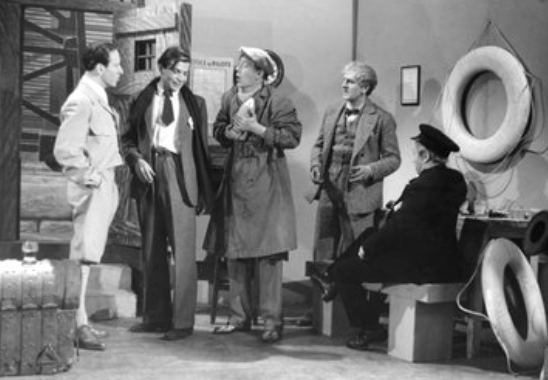
John Wyver writes: the evening of Tuesday 3 January 1939 saw a studio repeat presentation of Denis Johnston‘s contemporary comedy The Moon in the Yellow River, produced for the cameras by the author himself. The satire had been first staged, amidst some controversy, at Dublin’s Abbey Theatre in April 1931.
Since Johnston, a former lawyer, had now moved from the BBC Belfast station to AP, he was able to rework for the new medium what The Times called ‘one of the most remarkable plays that has come out of post-War Ireland’ [since the 1922-23 Irish Civil War, that is].
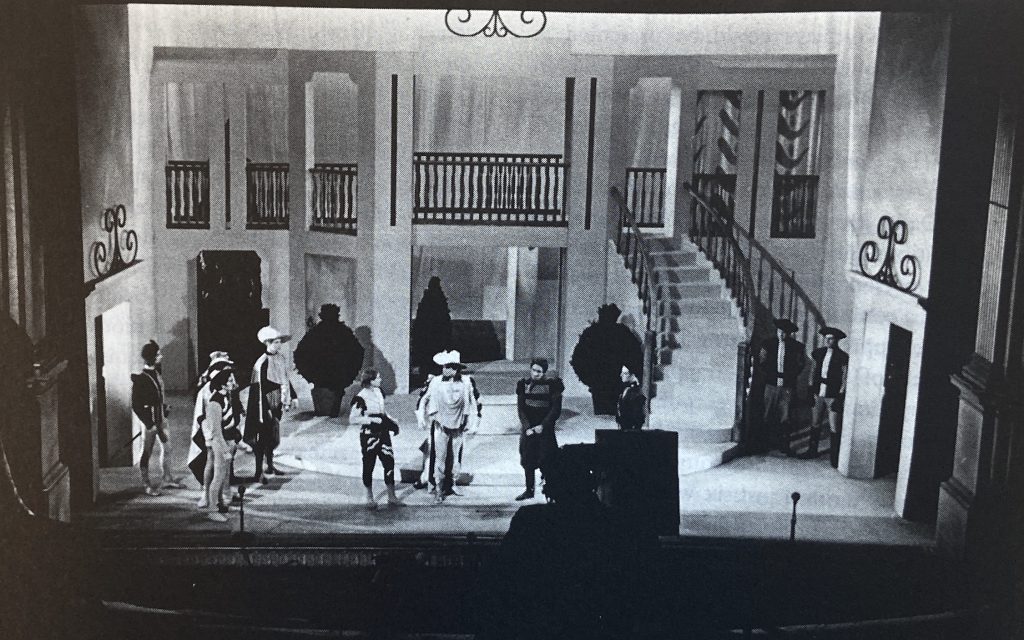
John Wyver writes: ‘ls the ‘straight from the theatre’ stuff going to be satisfactory?’ That was the question Grace Wyndham Goldie posed following the live broadcast of Twelfth Night from the Phoenix Theatre (above) on the evening of 2 January 1939. ‘It is certainly exciting,’ the critic acknowledged. ‘I sat in my own sitting room the other night… [a]nd the miracle of television came home to me afresh. There was the actual feeling of being in a theatre.’ But did you enjoy the play, Ms Goldie? ‘Well, it was rather like being in the theatre and watching the entire action through opera glasses.’
John Wyver writes: a heavy between times cold prevented a posting last Sunday, and travel to Italy (more on that to come) may interfere with one for next (although I’m aiming still to keep up the early television OTDs), so here’s a selection at the end of the holidays, drawing together as usual stuff (and avoiding politics) that has intrigued and interested me recently.
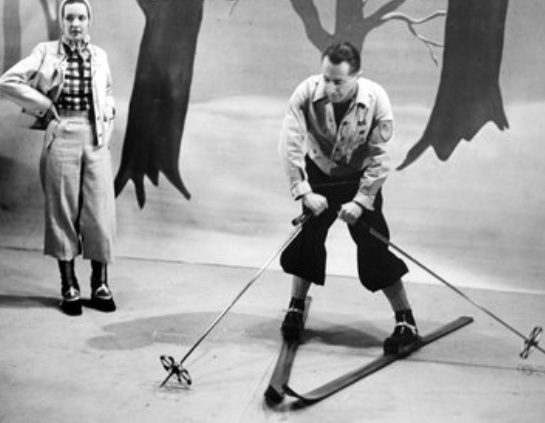
John Wyver writes: In keeping with the aspirational tenor of Alexandra Palace’s lifestyle programming for its professional middle-class viewers, each winter there was at least one studio broadcast for those looking forward to, or dreaming about, a ski-ing holiday across the channel. In 1939 New Year’s Day offered up Snow and Ice, while a year earlier, on 30 December 1937, the schedules were graced by the unfortunately titled Ski Heil (above).