
The importance of paper
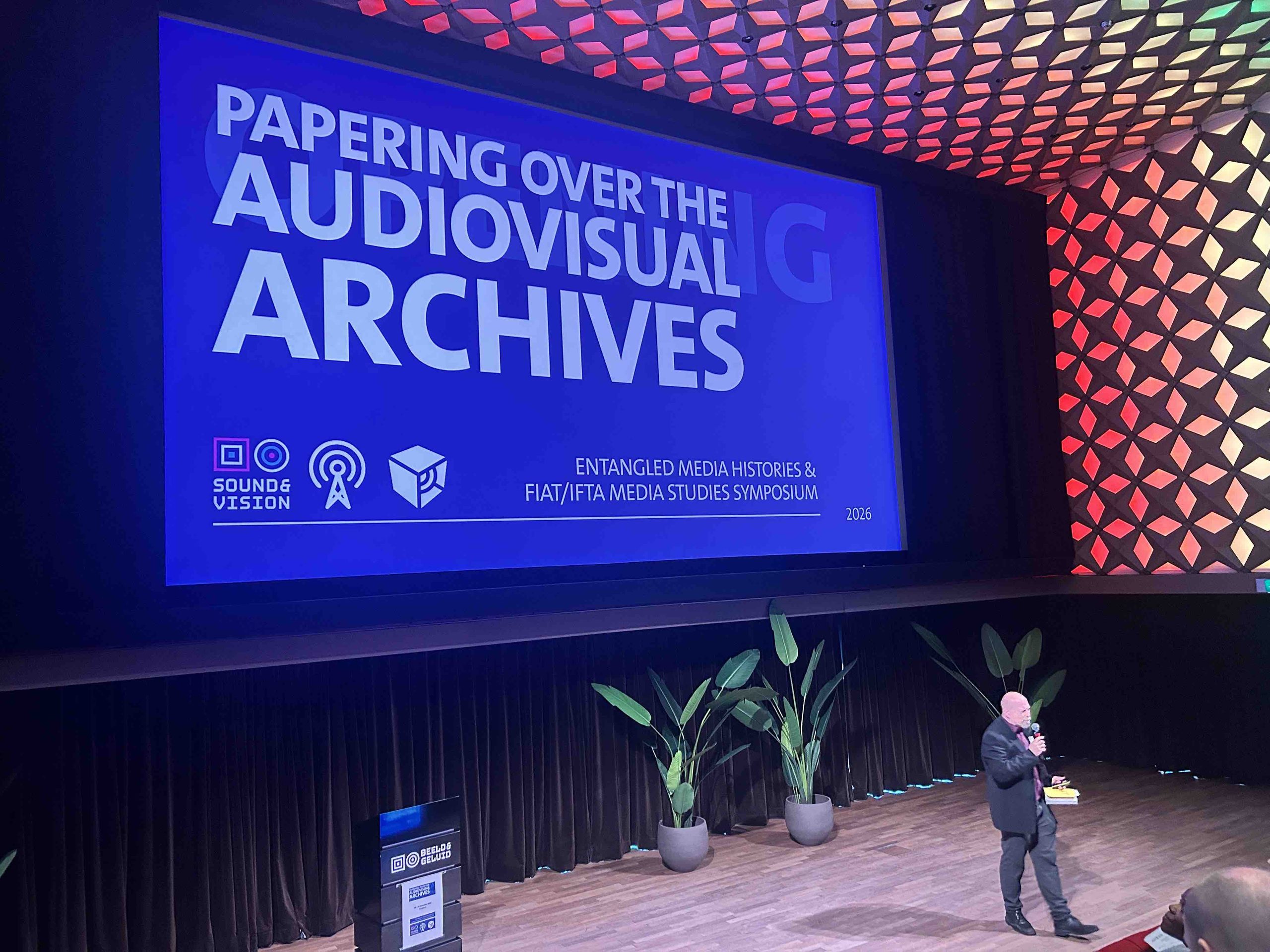
John Wyver writes: I am just back from Hilversum and the two-day international conference Papering Over the Audiovisual Archives at the Netherlands Institute for Sound & Vision. Organised jointly by the FIAT/IFTA Media Studies Commission together with the Entangled Media Histories, this was an immensely valuable occasion for considering the importance of the paper archives preserving material about cinema, television and radio. Thanks are due for their welcome and their work to Alec Badenoch, Utrecht University (above) and Dana Mustata, University of Groningen, as well as Sound & Vision curator Bas Agterberg.
There was a strong presence from Britain, but regrettably, if unsurprisingly, no one from the BBC’s Written Archives Centre (WAC) at Caversham, arguably the world’s most significant paper archive of a broadcaster. Instead, John Hill from Royal Holloway University of London, and I spoke about the deeply problematic changes at WAC over the past 18 months and the BBC’s resistance to reconsidering these. More about that below.
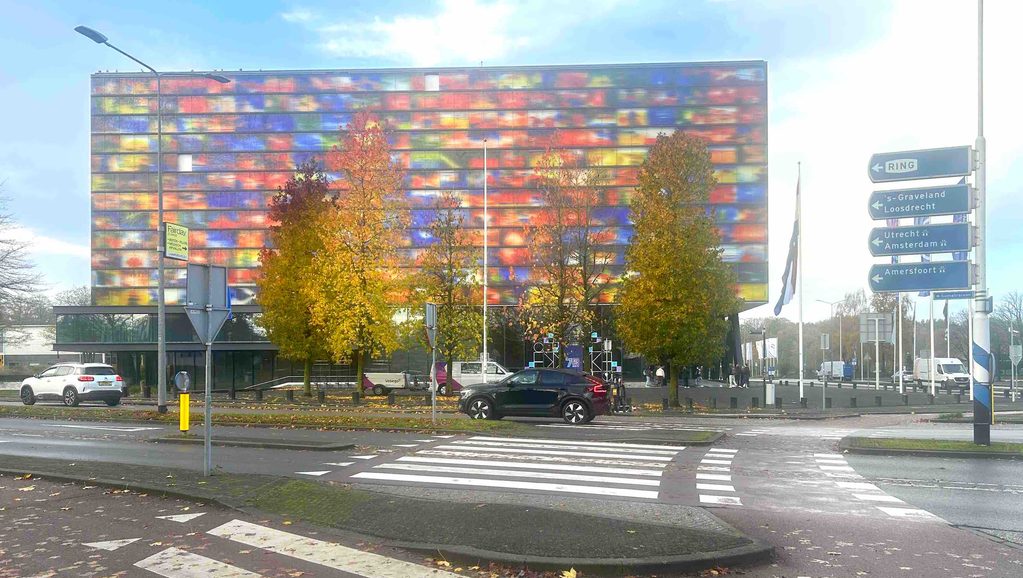
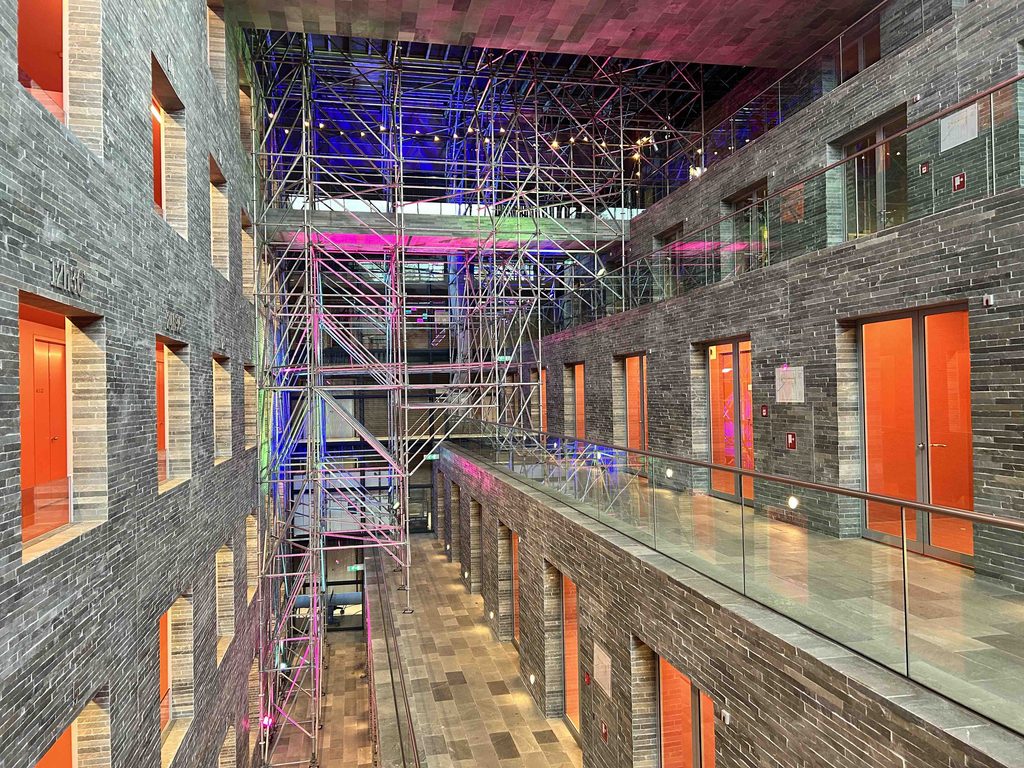
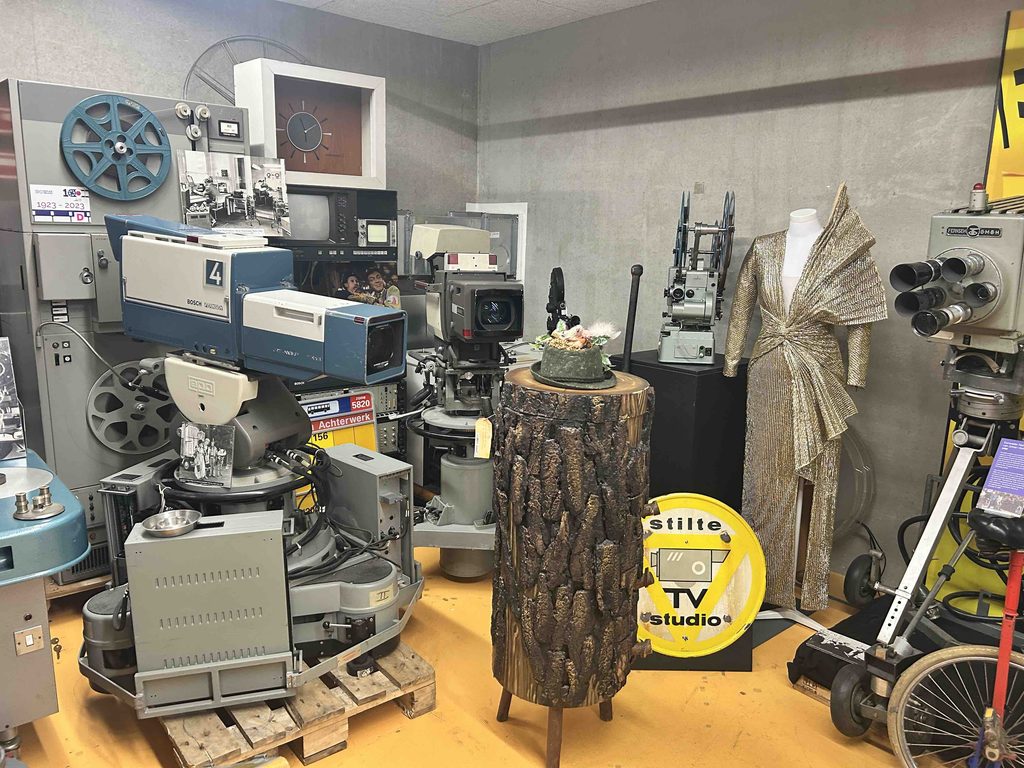
The Sound & Vision Institute is housed in a spectacular building (above) in Hilversum’s Media Park. As we learned from a very engaging tour on the first morning, a lively interactive museum about the history of the moving image is complemented here with the various broadcasting archives of cinema, television and radio in the Netherlands, including recordings as well as objects relating to these histories and their archives (below). All of which is stored in a complex of underground vaults (also below), together with viewing facilities for visitors.
Underpinning all of the talk was how valuable paper archives are, but how they are all too often understood – and marginalised – as simply providing ‘context’ for the primary elements of the archives, which have been understood as the films and recordings. This event was dedicated to validating the work of those who care for, and those who research in, paper archives. Such archives are immensely varied, but include collections of scripts, production notes, diaries and notebooks, listings journals, and much more.
Conference panels highlighted overviews and case studies from the work of Colonial Reels and Women’s Screen Work in Archives Made Visible [links to the project’s web pages; the detailed abstracts can be found here], two major projects based in Britain. There were discussions focussed on regional archives, on issues of loss and precarity, and on the politics of personal papers.
A key theme that ran through almost every presentation was how productive collaborations invariably are between archives and academics, and how beneficial they can be for both parties. On occasion such partnerships can offer funding support to archives, but often they are about developing knowledge and understanding, enhancing awareness, and facilitating profile and access.
All of which makes it all the more regrettable that, despite suggestions from several differnet parties, the current executives at the BBC WAC simply will not consider exploring such partnerships.
During a final roundtable session, Arthur Henaff, Head of INAthèque at France’s National Audiovisual Institute (INA) introduced INA’s collections, and spoke about the benefits flowing from, as well as the challenges of, the legal deposit (dépôt légal) of radio and television broadcasts, along with related web and audiovisual media. He also outlined INA’s progressive access policies, which in a number of respects are far more open than operate in this country.
Alongside Arthur, John Hill and I outlined how we had made use in our publications of the unparalleled WAC collections. Mostly though, we spoke ruefully and with deep frustration of the restrictions imposed by WAC at the start of last year. We suggested how damaging these are to independent, curiosity-driven research, and sketched the losses they entail for both the BBC and the academic community. (To catch up with all of this, start with the links in this post from just over a year ago).
The key question that this final session posed was how we can collectively convince broadcasters, especially the BBC, but other institutions as well, of the importance and long-term value of independent research grounded in their paper archive holdings. Some tentative suggestions were put forward, offering perhaps a glint of hope, and I’ll reflect on these in a future post.
Leave a Reply