10th November 2025
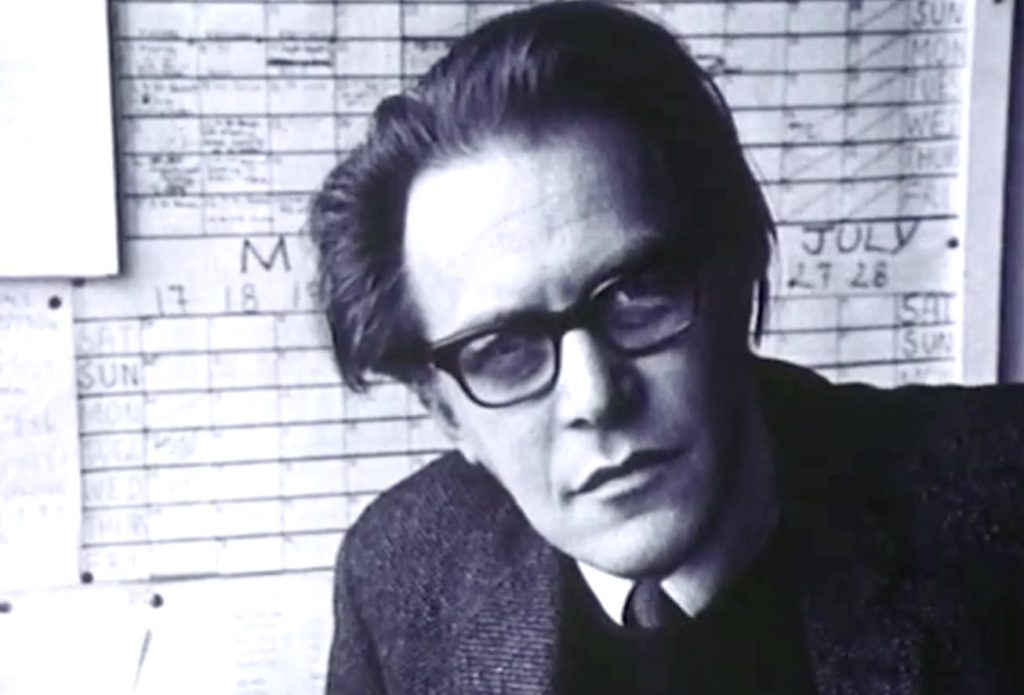
John Wyver writes: Some six weeks ago I posted a Call for Proposals for a one-day symposium about the films of the important documentary maker Robert Vas (above). My colleagues James Jordan and Eleni Liarou and I have received a number of really interesting proposals, but scheduling issues have meant that we have had to bring forward the date of the symposium, which will now be held on Friday 27 March.
Along with this change, we felt that it might be useful to extend the deadline for proposals to Monday 8 December, and we really hope that other scholars and filmmakers will be interested in putting forward ideas for papers.
We are keen to set Vas’ films in a broad range of contexts, and so we welcome thoughts about distinctive documentary engagements with the themes that drove his work: refugee experience, Jewish culture, the film archive, memory and history. Do click through to the revised CFP for more details.
We feel certain that the day will be a rich and stimulating mix of presentations and extracts from Vas’ work, and we look forward to sharing the full programme in the new year and to welcoming attendees to Birkbeck’s very fine cinema in London’s Gordon Square.
Incidentally, as I was working on this I found a blog post about access to the films of Robert Vas that I wrote back in June 2013 which remains as pertinent today as it was then.
9th November 2025
John Wyver writes: As part of the overall re-boot of the blog, let’s see together whether it is interesting once again to share a dozen recommendations from my reading (mostly) and viewing (minimally) this past week. For new readers, this is an ancient Sunday morning ritual that I am considering re-instating on a regular basis.
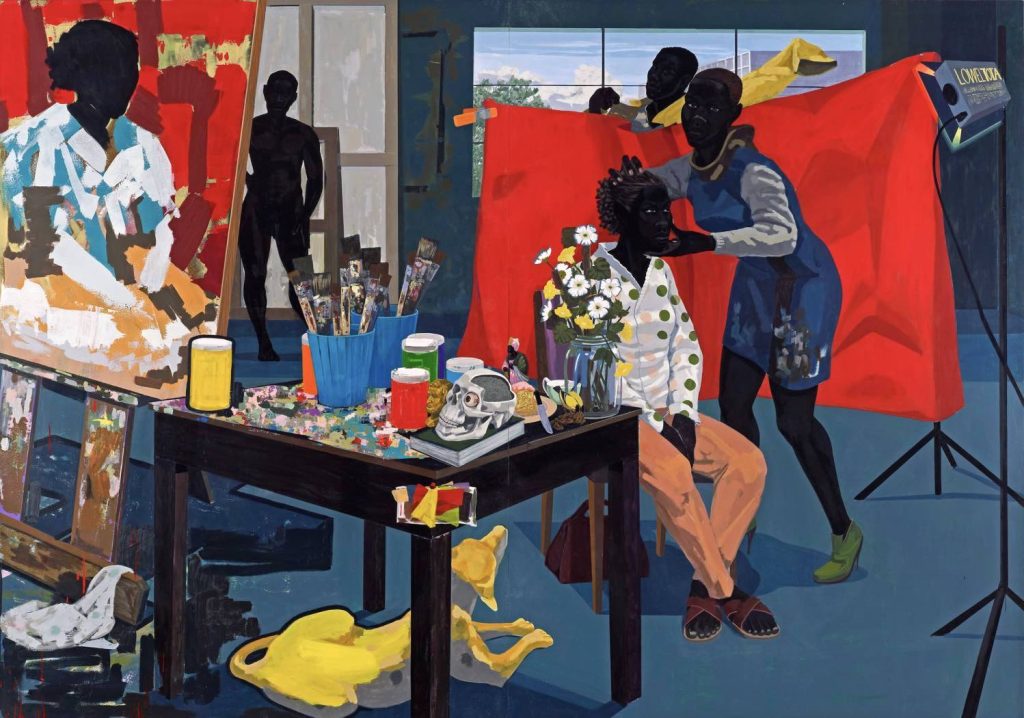
• 10-minute challenge: a modern master takes us inside an artist’s studio: I am a huge fan of The New York Times‘ focus challenges, and this latest one composed by Larry Buchanan focuses on Kerry James Marshall’s huge 2014 ‘Untitled (Studio)’, reproduced above; see this and much more of this great artist’s work in the current exhibition at the Royal Academy.
See also Can you stare at a work of art for 10 minutes?, a report by Sarah Bahr on the first year of the ’10-minute challenge’ initiative.
read more »
8th November 2025

John Wyver writes: Three weeks ago the BBC released a report titled Our BBC, Our Future (link to the report’s home page) which collated responses to an online questionnaire earlier in the year. ‘We asked you to tell us what you think the BBC does well,’ ran the press release, ‘what we could do better, and what you’d like us to focus on in years to come.’ I responded to the questionnaire, along with an 872,700 others, and the results were broadly very positive (link a downloadable summary in English.pdf).
As the report notes,
This is an important moment for the BBC’s future. The next couple of years will decide what the BBC will look like beyond 2027 and how we should best serve our audiences.
And there are frequent self-interested and profoundly ignorant and attacks on the BBC, the most recent of which Michael Savage highlighted yesterday for the Guardian. While it is very far from perfect, and while I have a specific issue with one aspect of the corporation’s operation, the BBC remains vital to the social, political and culture life of this country. A future without it is unimaginable. So why am I so irritated and frustrated by the report?
read more »
7th November 2025
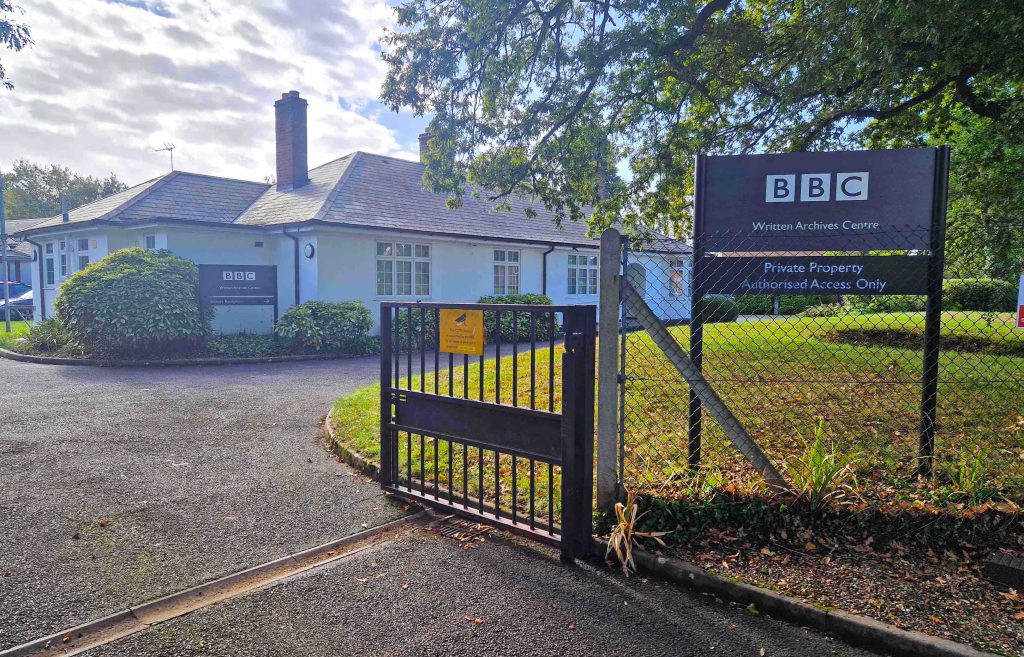
John Wyver writes: Some of you will know that I have been very involved over the past months with attempts to reverse the wrong-headed changes to access at the BBC Written Archives Centre (above, with thanks to Ian Greaves for the photo). This is an ongoing campaign, and I thought it might be useful here to outline its progress with a clutch of links. The following will hopefully give you a sense of why this is so important for independent research into not only broadcasting history but the social, political and cultural histories of Britain and the empire across the past century.
read more »
6th November 2025
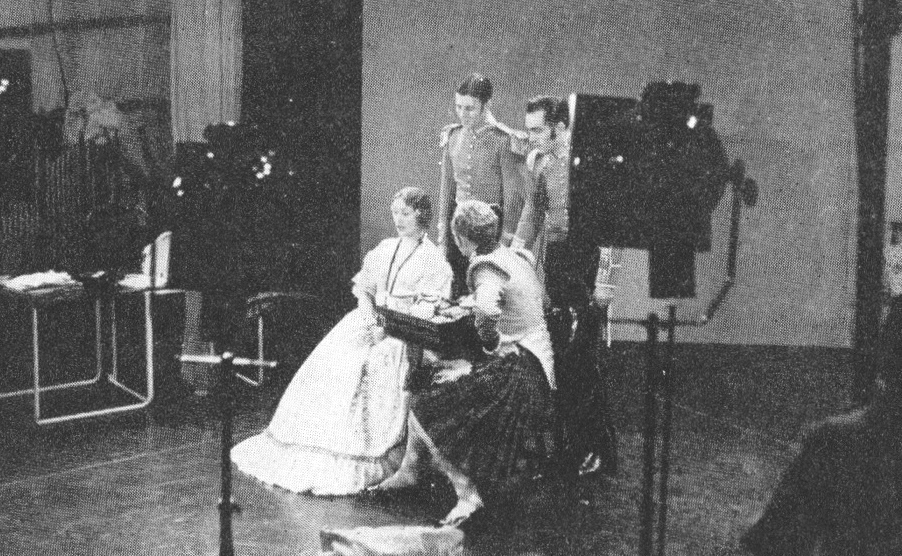
John Wyver writes: After yesterday’s post about Television Comes to London, let’s stay in the first week of the official high definition television from Alexandra Palace, and turn our attention to the afternoon of Friday 6 November 1936. This was when the cast and producer of Marigold travelled to AP to present scenes from their West End production before the somewhat intractable Baird transmission set-up in and alongside Studio B.
read more »
5th November 2025
John Wyver writes: The high definition television service from Alexandra Palace was just three days old on Bonfire Night 1936. That afternoon, after a performance under the name of the Mercury Ballet of Marie Rambert’s dance company, the film documentary made to mark the opening of the AP television station was broadcast for the second time.
The 18-minute Television Comes to London had been broadcast at the start of the week, and it was to become such a fixture in the early schedules that viewers and commentators complained about its ubiquity. It is nonetheless a fascinating document, a not-too-great but still welcome prijnt of which can be accessed here.
read more »
4th November 2025
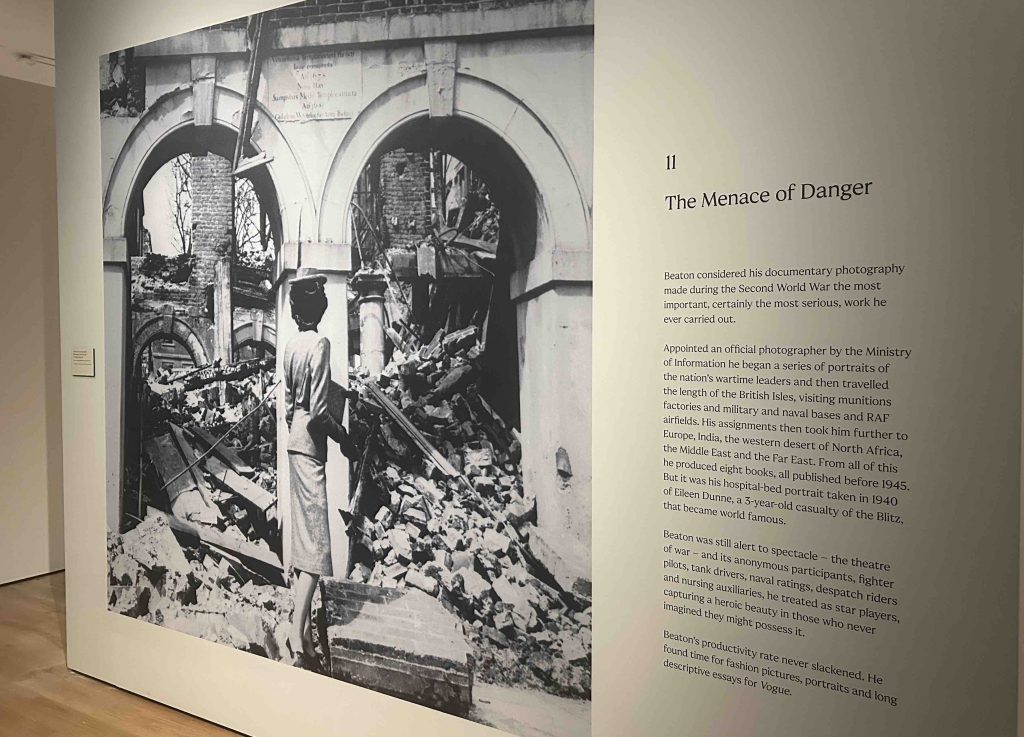
John Wyver writes: One of the wall-size blow-ups in the NPG’s current Cecil Beaton’s Fashionable World exhibition is one a well-dressed young woman, seen from behind, looking into the wartime ruins of Middle Temple (above). Nearby is a silver gelatin print of image, immaculately mounted and framed, and with an informative caption. The title is ‘Fashion is Indestructible’, with the descriptive addition ‘Elizabeth Cowell in suit by Digby Morton’, and the date is 1941, during the captial’s Blitz.
The presentation is typical of a show that, despite the disappointing corridor-like ground-floor galleries that stress the temporary quality of temporary exhibitions, is mounted with flair and even flamboyance. (Contrast this with the austere line-of-postage-stamps presentation of Tate Britain’s current Lee Miller display.) At the NPG there are gorgeous images, as both vintage prints and striking murals, that are frequently pleasing, often dazzling and always, but always, beautiful.
read more »
3rd November 2025
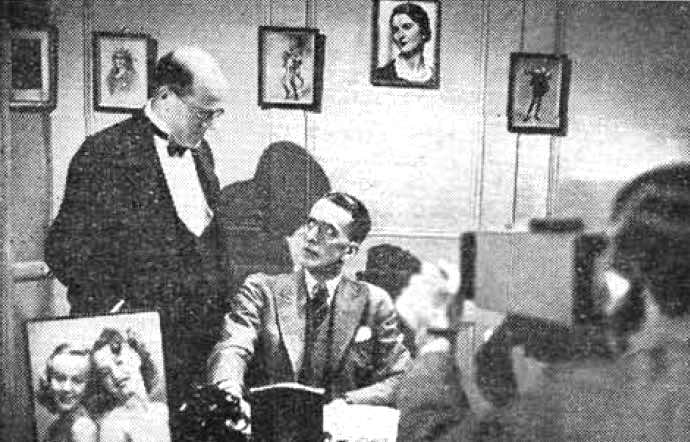
John Wyver writes: Apologies for the blog’s month-long hiatus and the interruption of the daily ‘OTD in early British television’ posts. The last such post was on 25 September, and since then I have been immersed in a month-long process of proofing and indexing and checking the manuscript of Magic Rays of Light: The Early Years of British Television. All of that is now complete, the book goes to the printers next week, and I can re-boot the blog with renewed energy and focus.
Publication by Bloomsbury and the BFI is still scheduled for 8 January, and January will also see a season of screenings linked to the book at BFI Southbank; more details of that anon. I am also organising an international conference about interwar television in early July, and again I will be returning to that in future posts. Indeed, as we are just two months out from publication, I am going to refine the way that these posts will work from now on.
read more »
26th September 2025
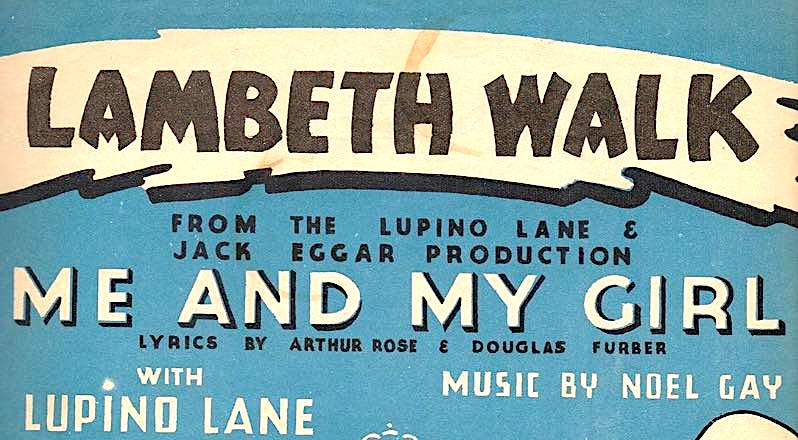
John Wyver writes: The later part of the evening of Monday 26 September 1938 was occupied by a feature programme titled Lambeth Walks Out. This was a kind of history of of the dance known as the ‘Lambeth Walk’, presented by journalist and anthropologist Tom Harrisson and Me and My Girl composer Noel Gay. They introduced a sequence of dances in a broadcast that enjoyed an enhanced reprise in January 1939, and which I wrote about in detail at the link below. Do click through to find out more:
OTD in early British television: 9 January 1939
25th September 2025
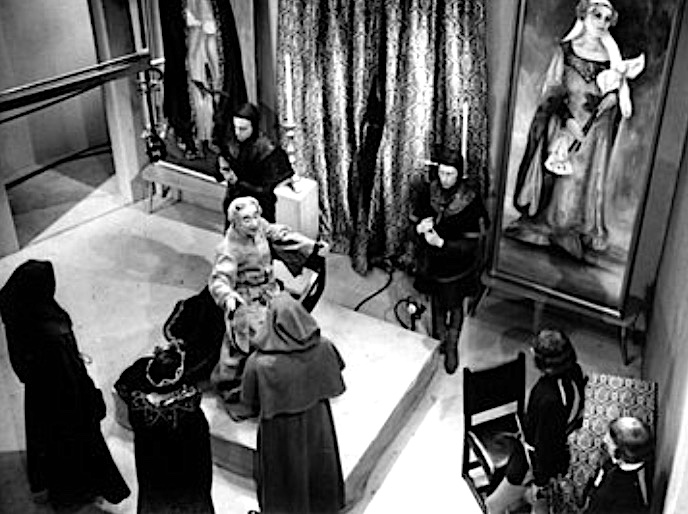
John Wyver writes: The evening of Sunday 25 September was mostly taken over by the 2 hour-plus reprise of Luigi Pirandello’s Henry IV, originally produced in March by the innovative producer Dallas Bower. As before, Ernest Milton took the title role, with Cecily Byrne as Marchioness Matilda Spina and Valerie Hobson playing Frida, her daughter.
I wrote a previous post about the production and responses to it, which I am happy to link to here:
OTD in early British television: 22 March 1938