16th February 2025
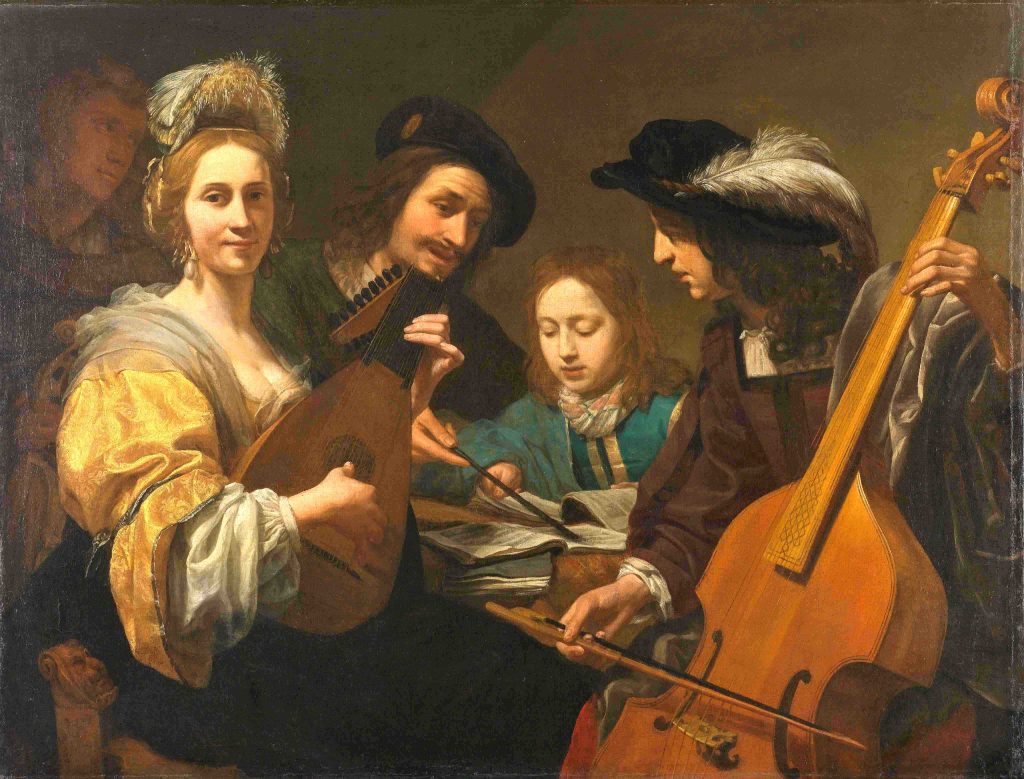
John Wyver writes: In the afternoon and the evening of Tuesday 16 February 1937, Philip Thornton presented the fourth of six talks under the heading The Orchestra and its Instruments. ‘Hybrid Winds’, as the programme was subtitled, featured the perhaps surprising selection of Bulgarian drums and bagpipes, Northumbrian bagpipes and a West African marimba.
This early transmission from AP, just over three months into the service, was a rare example of a Talks programme concerned with music. Pre-war Talks similarly largely ignored literature, but majored on the visual arts and architecture. And then there was the somewhat eccentric choice of host.
read more »
15th February 2025
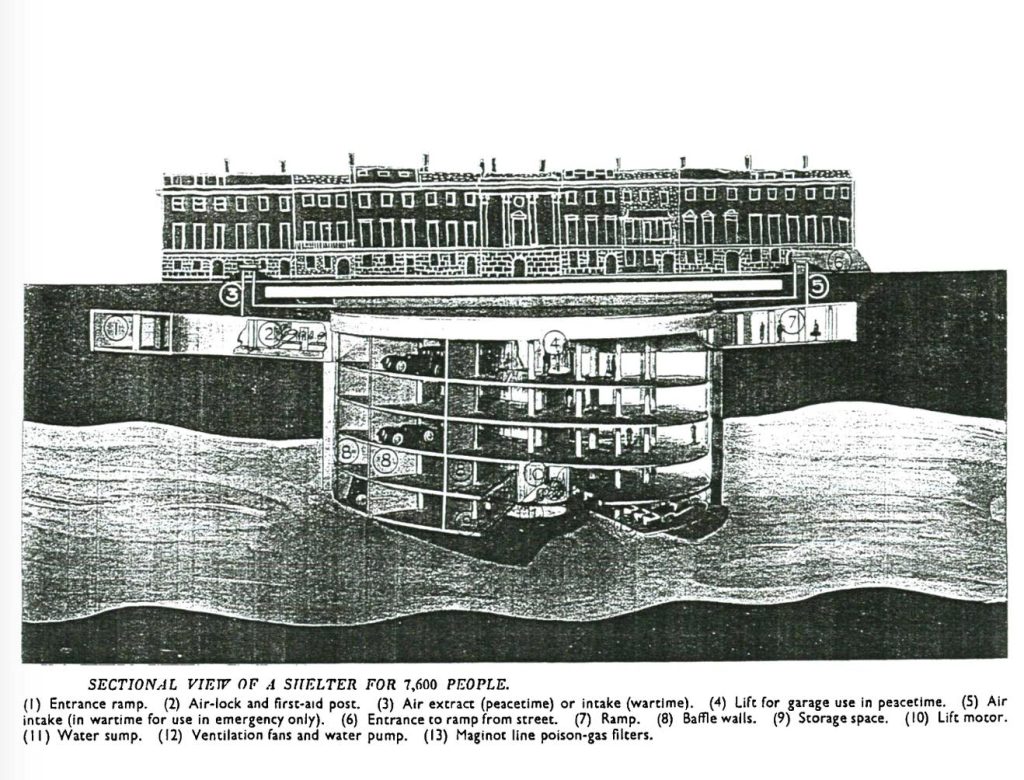
John Wyver writes: Looking through the schedules of 1938-39 there is little sense that television was strongly ‘war-minded’. The newsreels would have relayed the worsening situation in Europe but there appears to have only a minimal concern for preparing viewers for the coming conflagration.
One exception is an intriguing presentation on the evening of Wednesday 15 February 1939, billed simply as A.R.P. This half-hour discussion with Alderman Harold Riley and architect Berthold Lubetkin was ‘a demonstration of the Finsbury A.R.P. Plan for structural defence’, illustrated with drawings, film extracts and a model of a deep shelter.
read more »
14th February 2025
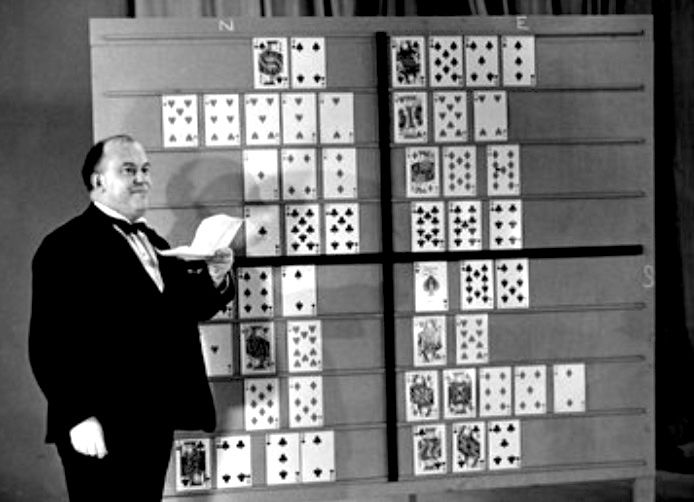
John Wyver writes: A late-night treat (which in those days meant scheduling at 10pm) on Monday 14 February 1938 was the 13-minute Bridge Demonstration hosted by Hubert Phillips (above). Members of the Welsh (male) team that had taken on England in the Bridge International at Cardiff the previous day, played out a hand or two as Phillips offered a commentary and tips.
The transmission was one of a number of such Bridge games for AP’s upscale suburban audience, which in the pre-war years was also offered lessons in ballroom dancing and in tennis, golf and show-jumping.
read more »
13th February 2025
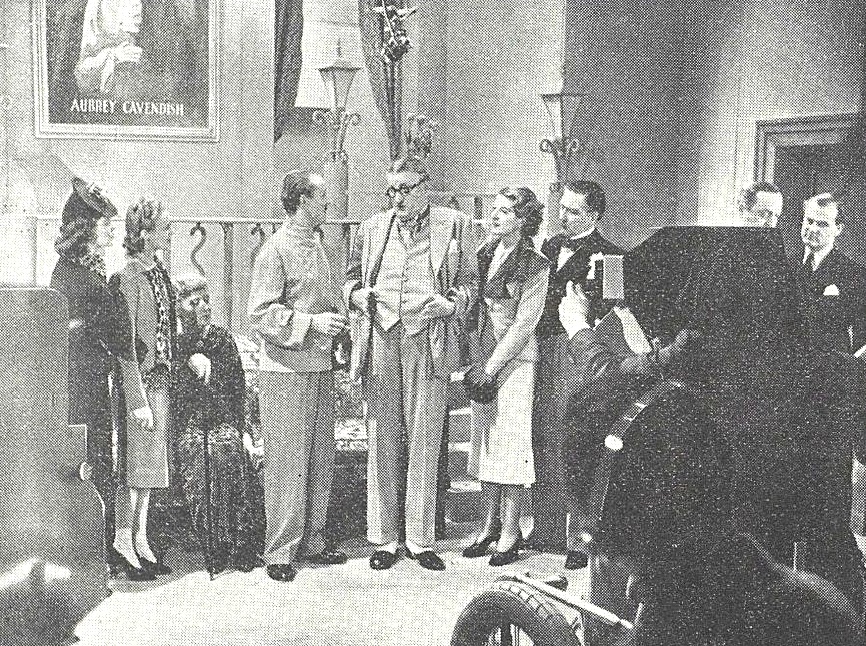
John Wyver writes: On the morning of Monday 13 February 1939 Alexandra Palace offered a 6-minute glimpse of studio rehearsals for George More O’Ferrall’s presentation, to be shown that afternoon, of the comic drama The Royal Family of Broadway (above). The producer introduced on screen several of the cast of Edna Ferber and George Kaufman‘s play, including Dame May Whitty and Basil Radford.
This exceptional transmission was organised to play into an elaborate and extensive display of television receivers, which also included a small on-site studio, that opened that morning at Selfridge’s (and to which we will return in a future post). But my interest here is rather the thoughtful Listener column by Grace Wyndham Goldie that was prompted by what she called More O’Ferrall’s ‘successfully brisk production’.
read more »
12th February 2025
John Wyver writes: The afternoon schedule on Sunday 12 February 1939 began with two caption cards accompanied by Bing Crosby (on record) singing ‘Please’ and, I assume, some words from on-duty announcer Elizabeth Cowell. That morning’s Sunday Times explained the context for the request made to viewers:
During this afternoon’s television transmission from Alexandra Palace it will be announced that a complete census of television viewers, with an analysis of their preferences in programmes, is to be made.
read more »
11th February 2025
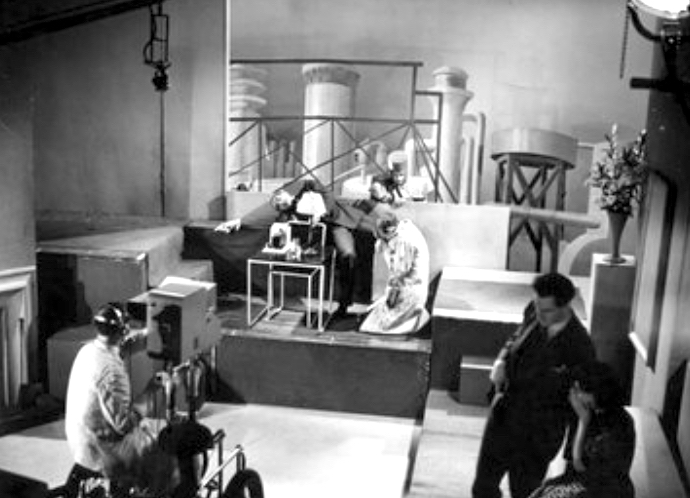
John Wyver writes: The range of plays produced at Alexandra Palace between 1936 and 1939 is truly remarkable. Of the 400 or so stagings, many were of popular potboilers, but there were also numerous classics from the tradition of English literature, clutches of Irish and Scottish plays, and a perhaps surprising number of plays from abroad — including on the afternoon of Friday 11 February 1938, R.U.R. (Rossum’s Universal Robots) by the Czech writer Karel Čapek.
The 56-minute adaptation of this dystopian tale of rogue robots was taken from a version by the late Nigel Playfair of the text which was first staged in 1921. Recognised as television’s first science fiction tale, AP’s production was mounted by Jan Bussell with Stephen Jack and Cherry Cottrell in the lead roles.
read more »
10th February 2025

John Wyver writes: The evening schedule on Friday 10 February 1939 began with ten minutes of the closest that transmissions from Alexandra Palace got to breaking news. First, there was an unannounced 90 seconds of British Movietonenews footage reporting the death earlier that day of Pope Pius XI.
After which, there was a further unbilled item featuring the pilot Alex Henshaw interviewed by S.E. Reynolds describing his experiences during record-breaking flights to and back from the Cape in the aeroplane pictured, rather later, above.
read more »
10th February 2025
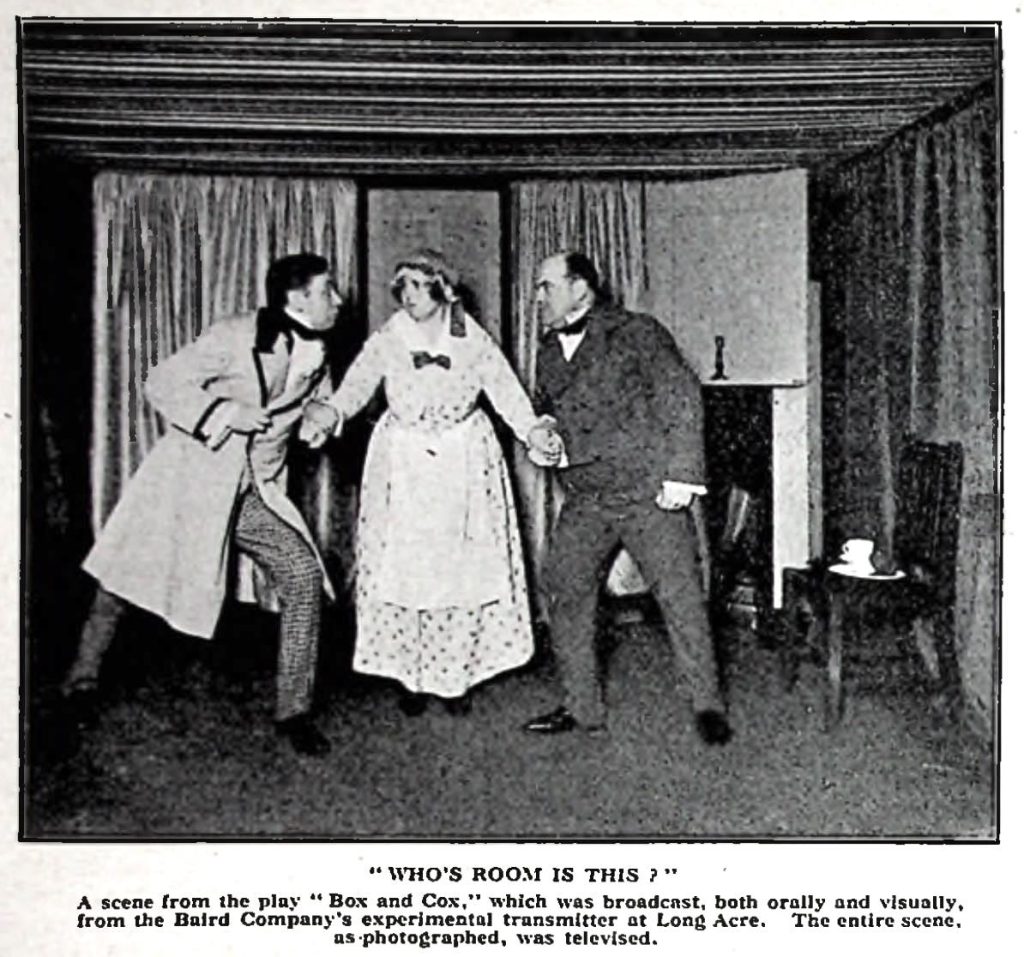
John Wyver writes: Welcome to a new index of the earliest group of my daily posts about an aspect of British television before the Second World War. Listed below are the posts that ran from late November through December. As with my January index, I have brought together the links to each one, along with a short description, arranged in chronological order of the programmes, events and publications that they discuss.
As before, my aim is to continue with these posts through to the publication in early 2026 of my book Magic Rays of Light: British Television between the Wars. This cultural history of the medium before 1939 is linked to the Centenary of John Logie Baird’s first public presentation of “true television” in January 1926.
read more »
9th February 2025
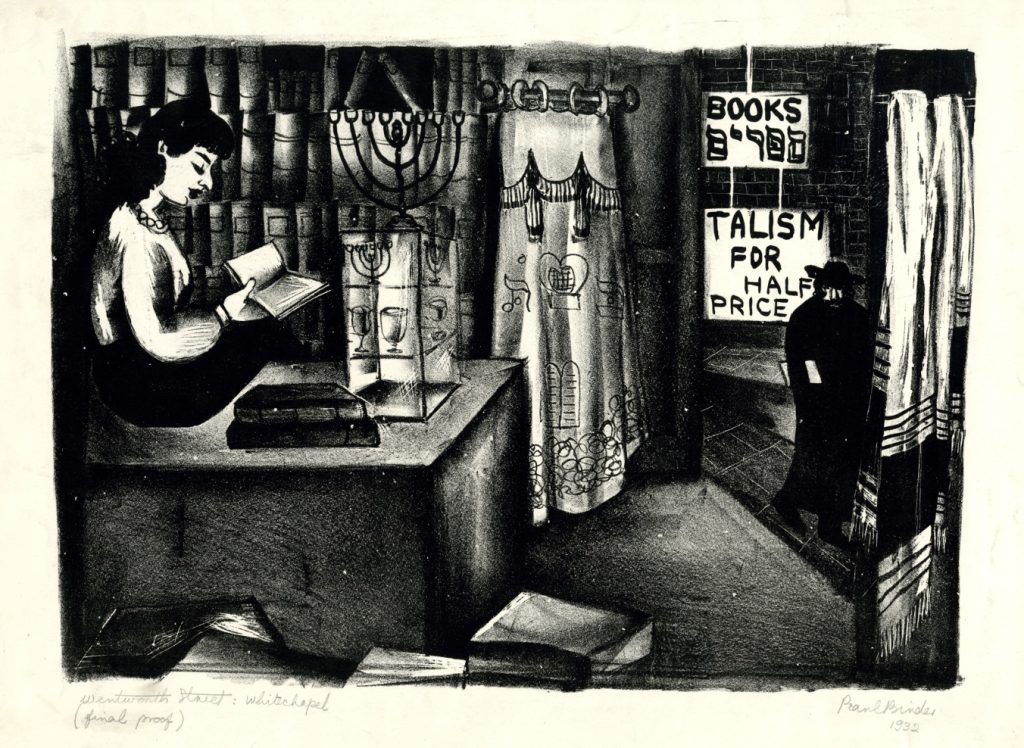
John Wyver writes: the evening of Thursday 9 February 1939 saw a 40-minute edition of Contrasts, which was a catch-all title for juxtapositions of variety artists from differing traditions. This was a particularly eclectic line-up featuring dancers from Java and Bali performing Japanese classical dance; singers Harry van Oss and Naya Grecia; Dutch-born writer and actor Selma van Diaz performing ‘The Lady’s Maid’ monologue-as-short-story by Katherine Mansfield; and dances by Pola Nirenska, a Polish Jewish refugee who had been a pupil of modernist dance pioneer Mary Wigman.
This modernist melange was assembled by the artist Pearl Binder, who was not only a co-founder in 1933 of the radical Artists International Association but also an Alexandra Palace regular providing illustrations for television talks about fashion and other subjects.
read more »
8th February 2025
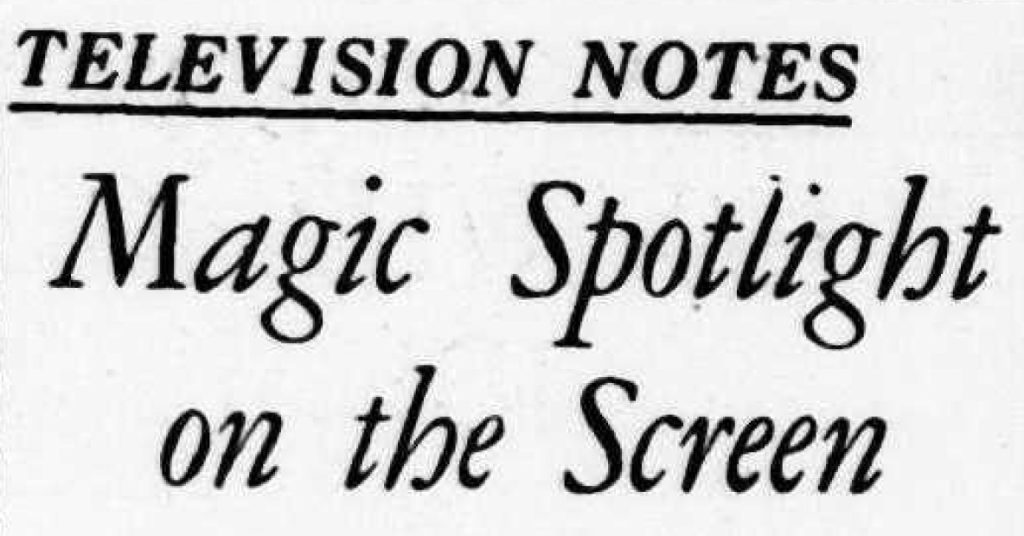
John Wyver writes: The News on Friday 8 February 1935 carried the prediction by Captain A.G.D. West, who headed up the Baird company operations at Crystal Palace, that television would be ‘in practically every home within three years.’ The paper carried a detailed report of Captain West’s adddress to the Upper Norwood Rotary Club, but it is in fact another clipping that I want to highlight for today.
Under the headline ‘Magic spotlight on the screen’, the Daily Telegraph ‘Television Correspondent’ contributed a fascinating column about watching on the same day the BBC’s 30-line service on a mirror-drum receiver and an experimental Baird 180-line transmission from the Crystal Palace on a new cathode-ray receiver.
read more »