2nd March 2026
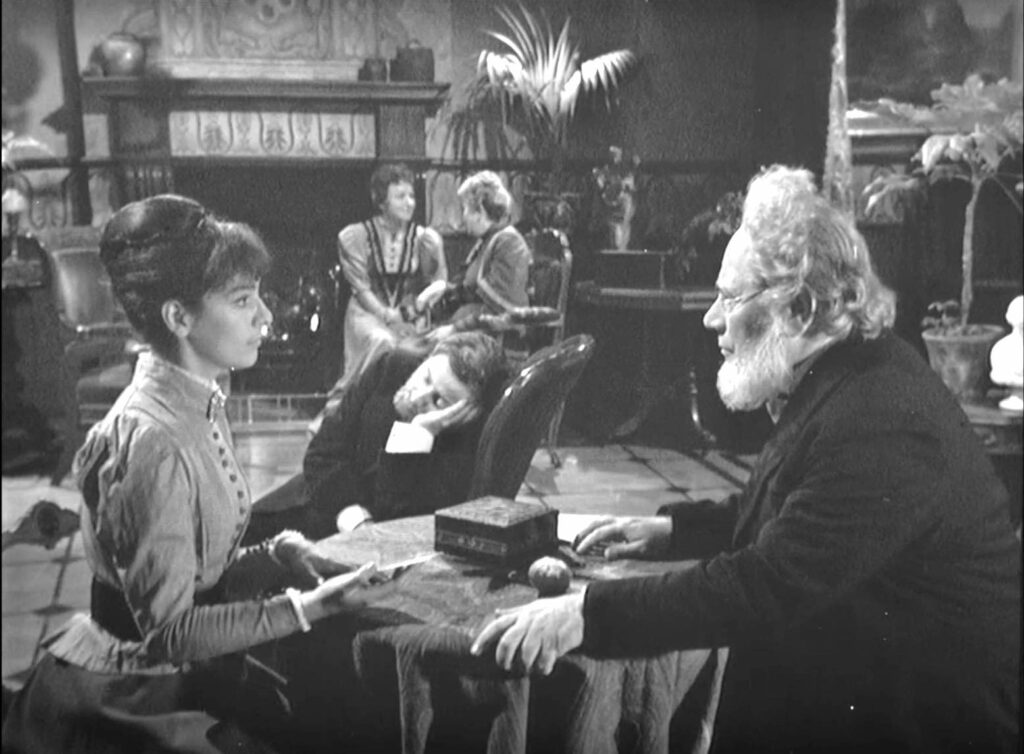
John Wyver writes: Nestled in BBC iPlayer’s box of delights that is the Ibsen collection is a fascinating 1964 curiosity titled The Summer in Gossensass. This is a hour-long drama-documentary — although billed as a ‘documentary’ both here and originally in Radio Times — about a platonic affair in 1889 between the 61-year old playwright, who had recently written The Lady from the Sea, and 19 year old Emilie Bardach.
‘This story is true,’ announces the narrator at the opening. ‘Every event portrayed here is documented by Ibsen’s letters, Emilie Bardach’s diary, and first-hand contemporary accounts.’ Scripted by Caspar Wrede and translator Michael Meyer, whose acclaimed biography of Ibsen was published in 1967, and produced and directed by Wrede, The Summer in Gossensass is interesting both for its take on its subject matter and for the distinctive, at times innovative, filmmaking strategies that it employs.
read more »
1st March 2026
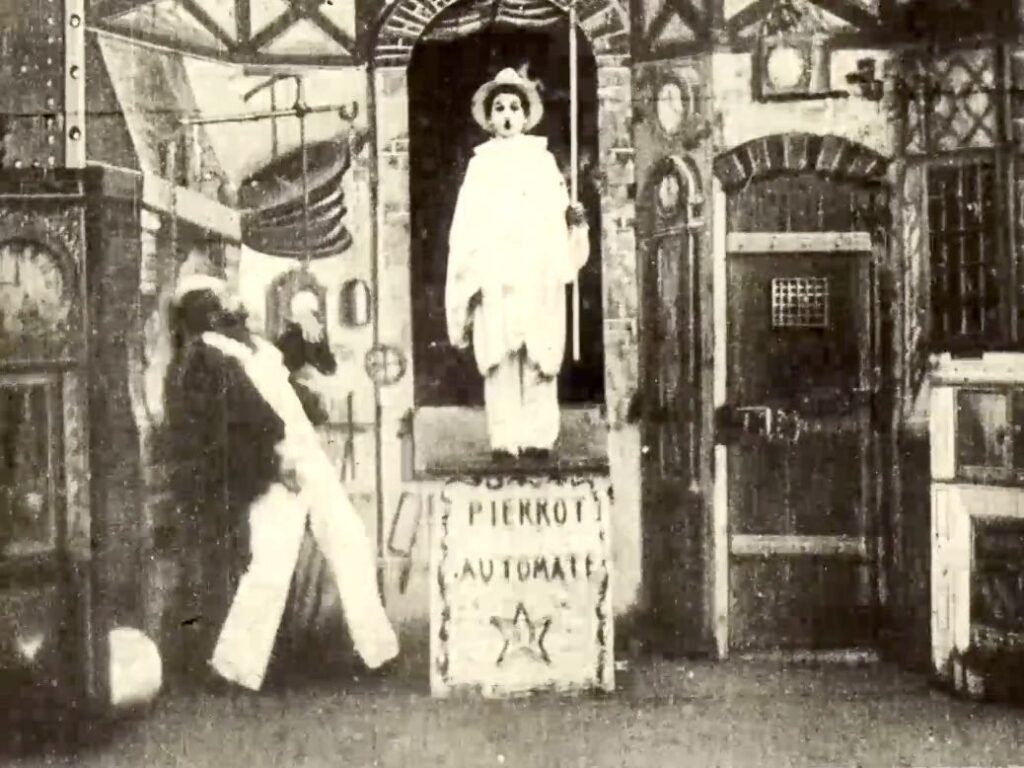
John Wyver writes: welcome to links to some of what I found vital and valuable in my week’s reading and viewing, starting with a fine discovery at the Library of Congress which is illustrated above.
• Lost 19th century film by Méliès discovered at the Library: a cheering blog post by Neely Tucker from the Library of Congress about the discovery and restoration of a previously unknown George Méliès film, Gugusse et l’Automate (Gugusse and the Automaton), which you can view via the links, and a framegrab of which is this week’s header image:
The 45-second film, made around 1897, was the first appearance on film of what might be called a robot, which had endeared it to generations of science fiction fans, even if they knew it only by reputation. It had not been seen by anyone in likely more than a century.
read more »
24th February 2026
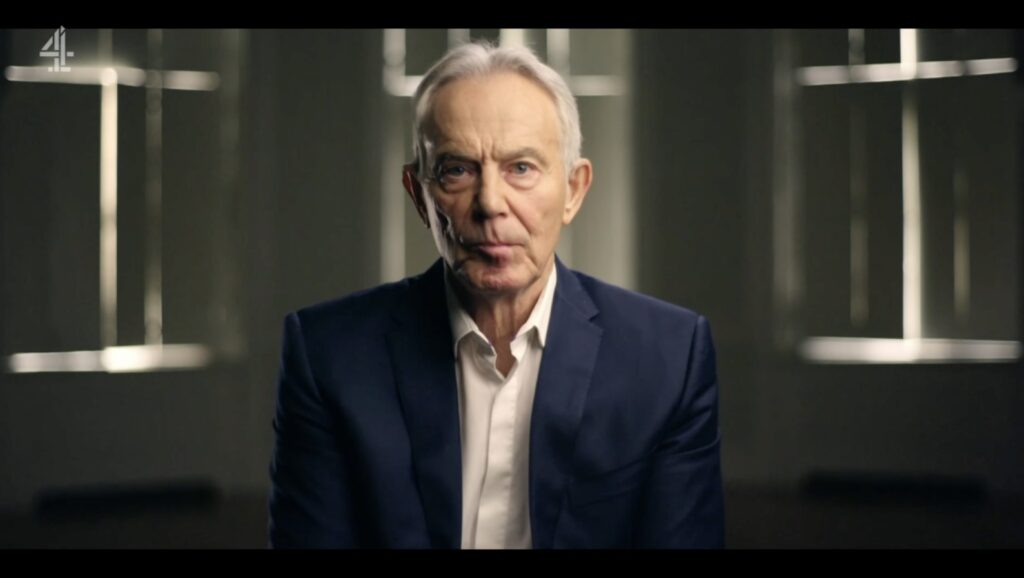
John Wyver writes: I have hugely enjoyed Channel 4’s The Tony Blair Story (broadcast last week and available on catch-up), for which the series director and narrator is Michael Waldman (who I should own is a friend). Perhaps there are no great revelations, and perhaps as Jack Seale wrote for the Guardian, ‘It’s sadly lacking in the granular detail that would really put his actions under the microscope.’
As a sweeping overview, however, the trilogy is compelling, with exceptional interviews, from the Blair family as well as Alastair Campbell, Anji Hunter, Robert Harris and many others (although no Gordon Brown). The use of an astonishing range of archival images is finely orchestrated, the score is rich, and overall it’s a highly distinctive, artful and finely delivered package.
I want to reflect briefly on just one aspect: the central interview with Blair, a screengrab from which is above. He is centrally framed, set against an abstracted background, and for most of the time he speaks directly into the camera. In each of these respects, the set-up is is notably different from all of the other interviews in the films. These are placed in home or work real world contexts, and arranged as television’s usual three-quarter profile shots, speaking to an interviewer placed off to the left or right of frame.
read more »
22nd February 2026
John Wyver writes: To Falmer, near Brighton, for a visit to The Keep to dig into the Mass Observation Archive. I’m starting on the first stages of research for Switching On (title tbc), a kind of sequel to Magic Rays of Light: The Early Years of Television in Britain. The new book is intended to take the cultural history of the medium from the Second World War to the first night of ITV in September 1955.
Mass Observation carried out their own survey about television in 1949, and were also commissioned by Radio Rediffusion to ask customers about what they liked on the radio in 1949 and what they thought of television in 1955. As scholars including Helen Wood, Rachel Moseley and Tim O’Sullivan have recognised, the papers related to these projects are wonderfully revealing about contemporary attitudes to the emerging medium.
Although there are digitised riches from the MO survey in the extensive Mass Observation Online resource (accessible without a fee on terminals at The Keep and the British Library), I wanted to look at some of the documents that exist only as paper. (Note that Mass-Observation is hyphenated up to 1949, when it dropped the hyphen and was incorporated as a private company, Mass Observation (UK).)
In doing so I had one of those – relatively rare – surprising and rewarding archival ‘Aha!’ moments. Leafing through the contents of a folder otherwise dedicated to 1949, which was titled ‘Rediffusion Survey 1949: Background Material’ (reference SxMOA1/2/45/1, since you ask), I came across a batch of fascinating pages from 1938-39 that had clearly been mis-filed.
Nothing in the catalogue indicated their presence, and yet here were script drafts, studio plans and a letter about a linked pair of pre-war transmissions. Most precious of all, there was a six-page account by a M-O ‘observer’ of the Alexandra Palace (AP) studios at work. Taken together, the documents offer a vivid and in certain respects unique picture of two broadcasts from some two years in to the BBC’s high definition service.
read more »
22nd February 2026
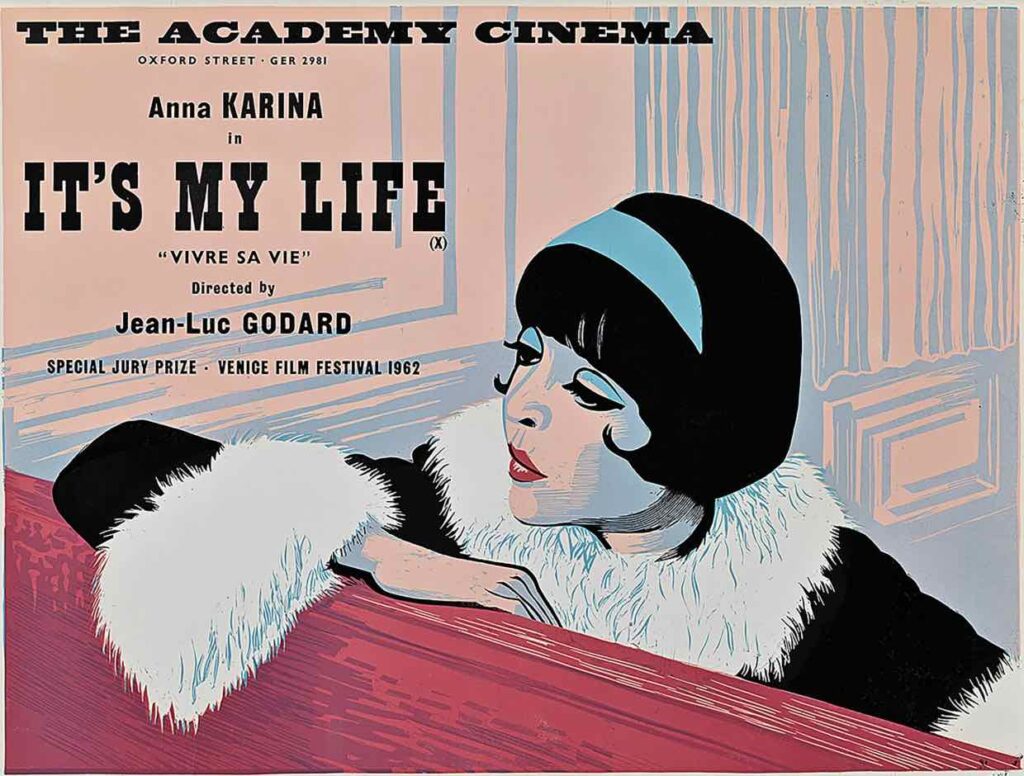
John Wyver writes: This week’s selection of stuff that I’ve found interesting and enriching over the past seven days.
We lost the great documentary filmmaker Frederick Wiseman this week, and there have been numerous fine tributes; among the richest articles I’ve found online are the following:
read more »
17th February 2026
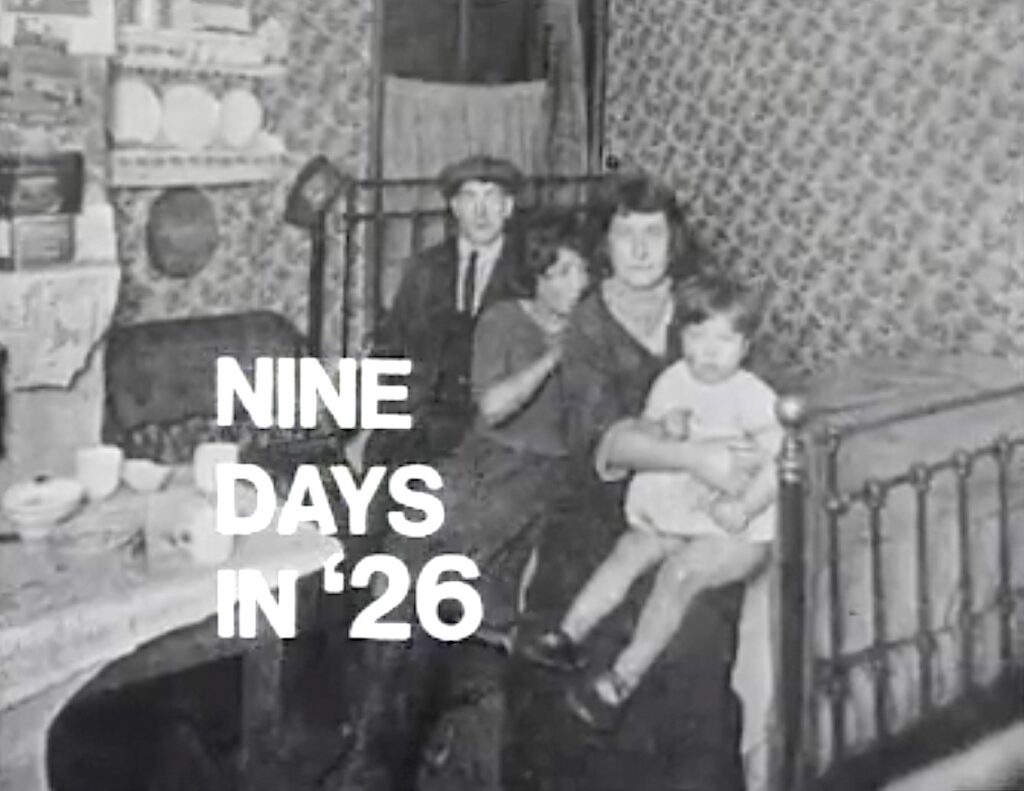
John Wyver writes: Registration is now open for the one-day symposium on 27 March centred on the films of the great television documentary filmmaker Robert Vas. The symposium is complemented by a rare screening of Vas’ remarkable film about the 1926 General Strike, Nine Days in ’26, made in 1974. More details about Vas and both events are below. The events, which are ticketed separately, are free, but registration is required; if you are interested, please sign up via these links:
Symposium details and how to book: https://www.bbk.ac.uk/events/event/59932/robert-vas-in-context
Screening details and how to book: https://www.bbk.ac.uk/events/event/59952/nine-days-in-26
read more »
15th February 2026
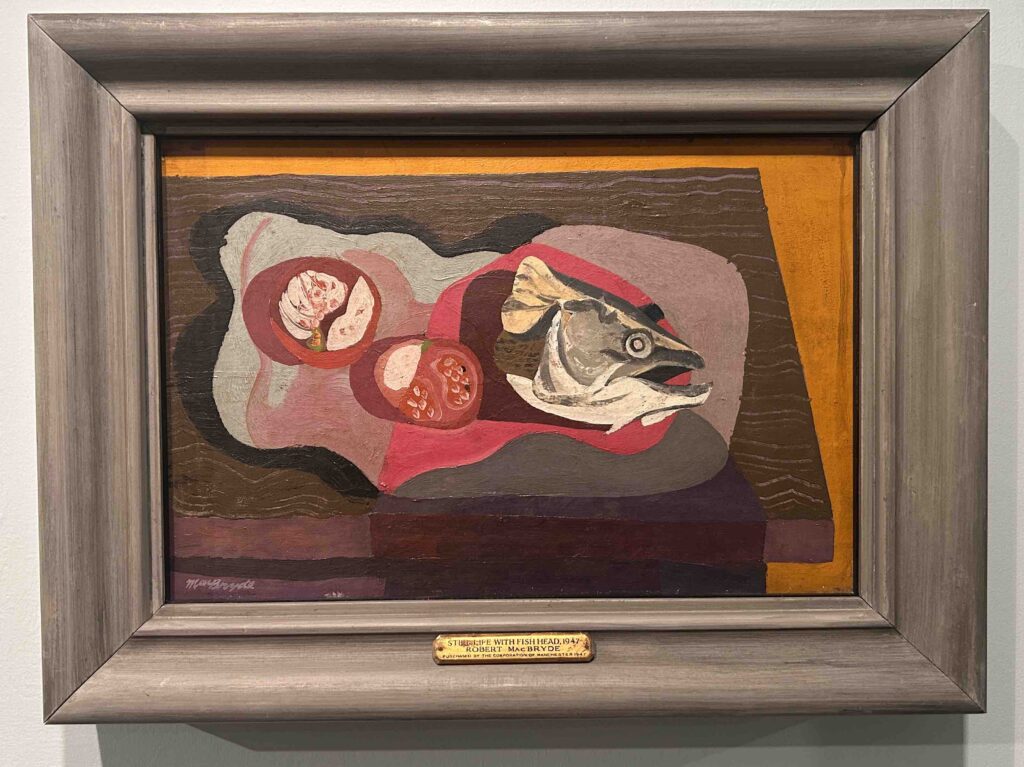
John Wyver writes: The usual weekending miscellany of articles and videos that have engaged and interested me over the past week. The header image is Robert MacBryde’s Still Life with Fish Head, 1947, usually with Manchester City Galleries but currently in the really fine exhibition at Charleston in Lewes, Robert MacBryde and Robert Colquhoun: Artists, Lovers, Outsiders (until 12 April), which I saw this week (and which I may write about soon).
• Local colour: I learned a lot from Justin Stewart’s ReverseShot essay on Rouben Mamoulian’s Becky Sharp, 1935, the first full-length non-animated feature film made in Technicolor.
• Bardot at the Notting Hill Coronet: James Meek is very good on ‘BB’ for LRB [£; limited free access].
• The truth, Ruth: on the documentaries of Spike Lee, by Alexander Mooney, for POV.
read more »
13th February 2026
John Wyver writes: In case any of the below is of interest, I thought it might be useful to detail the events I’m involved with over the coming months. It would be very good to see any of you present at any of them. The links in the titles of each element will take you to further details.
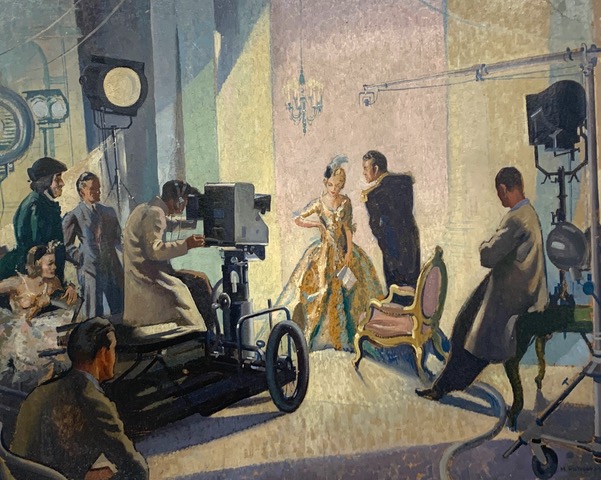
• Magic Rays of Light – A Talk for the Art Deco Society: In the evening of 17 March I am giving an online talk about British television of the 1920s and 1930s for the Art Deco Society. This will draw on my research for the recently published Magic Rays of Light: The Early Years of Television in Britain, and I’m aiming to provide an accessible and enjoyable overview along with a host of rare illustrations. The header image, of course, is Starlight by Harry Rutherford, a detail of which graces the book’s cover.
read more »
8th February 2026
John Wyver writes: In this week’s choice of links that have interested and engaged me across the past week I have resolutely set my face against explicit engagements with the hideous politics of the world, although of course they have crept back in in cultural forms. I hope you find something that is useful or diverting.
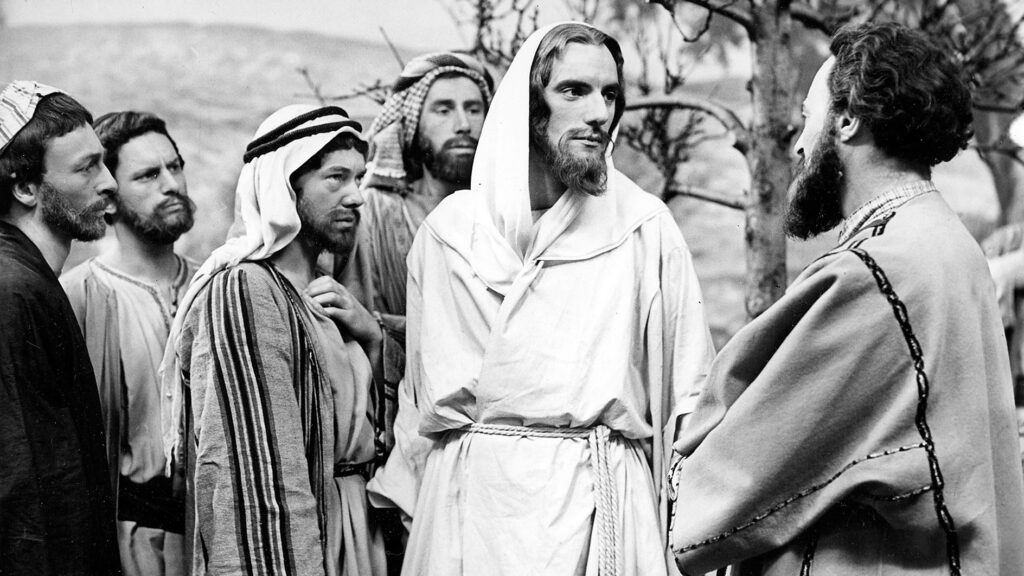
• Depicting Jesus: an absolutely fascinating History of the BBC web essay by Paul Hayes about the children’s serial Jesus of Nazareth broadcast 70 years ago; the header image shows Hugh Dickson as Nathaniel Bartholomew, Philip Guard as Philip, Michael Bryant as John, Richard Grant as James, Tom Fleming as Jesus and Anthony Jacobs as Judas in a scene from episode five, Jesus the King.
read more »
6th February 2026
In a way, you’re spoiling us – and we’re grateful. ‘Us’ being the nerdy types fascinated by television’s deep archive. For so long, because of rights restrictions and a general lack of interest, television’s history, beyond select monetisable shows like Doctor Who and Dad’s Army, remained largely inaccessible. But now programmes that I had barely even heard of are popping up on BBC Four and, for shorter or longer periods, on BBC iPlayer.
read more »