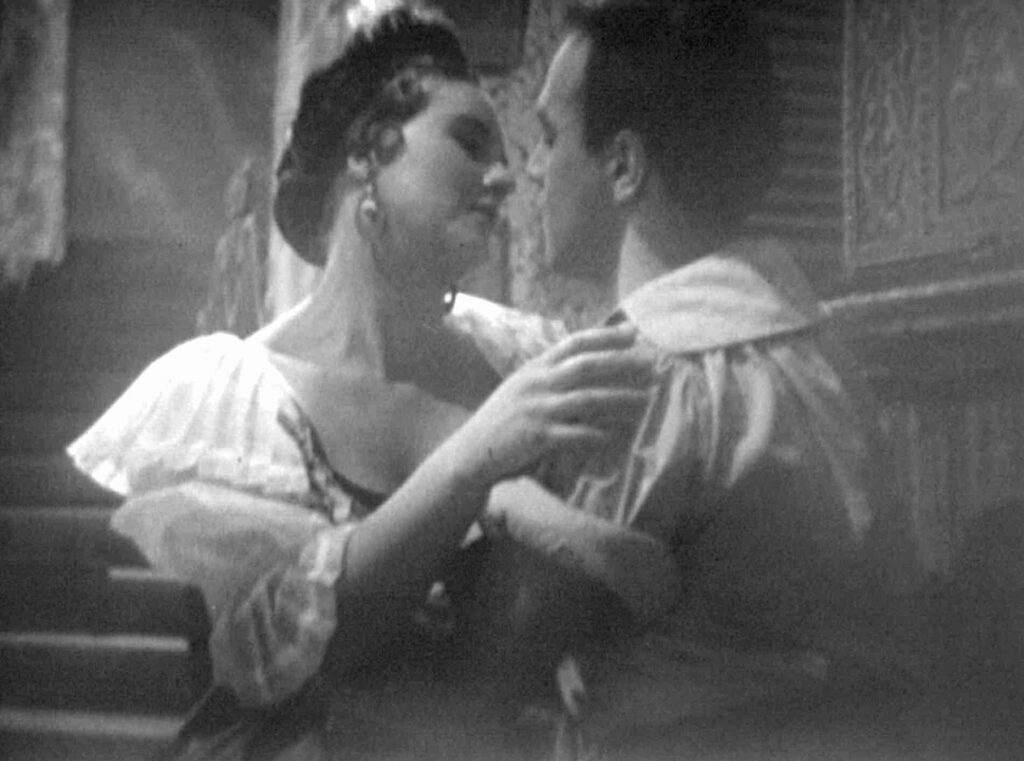
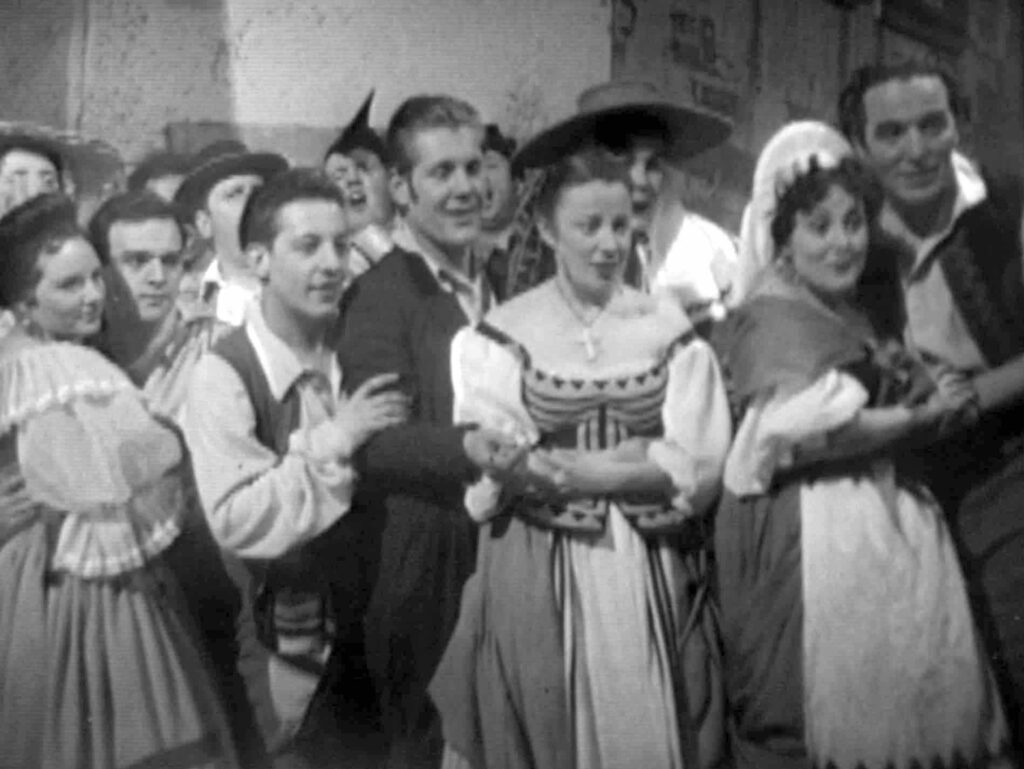
John Wyver writes: In a previous post I sketched the backstory of the BBC-commissioned opera Mañana, composed by Arthur Benjamin and produced for television in February 1956. Thanks to the seventieth anniversary, a digitally restored version of this transmission was shown on BBC Four and is available on BBC iPlayer for a short time only. Here, I want to offer some thoughts on the production as television; I would love it if someone more qualified than me could write about the music and performances.
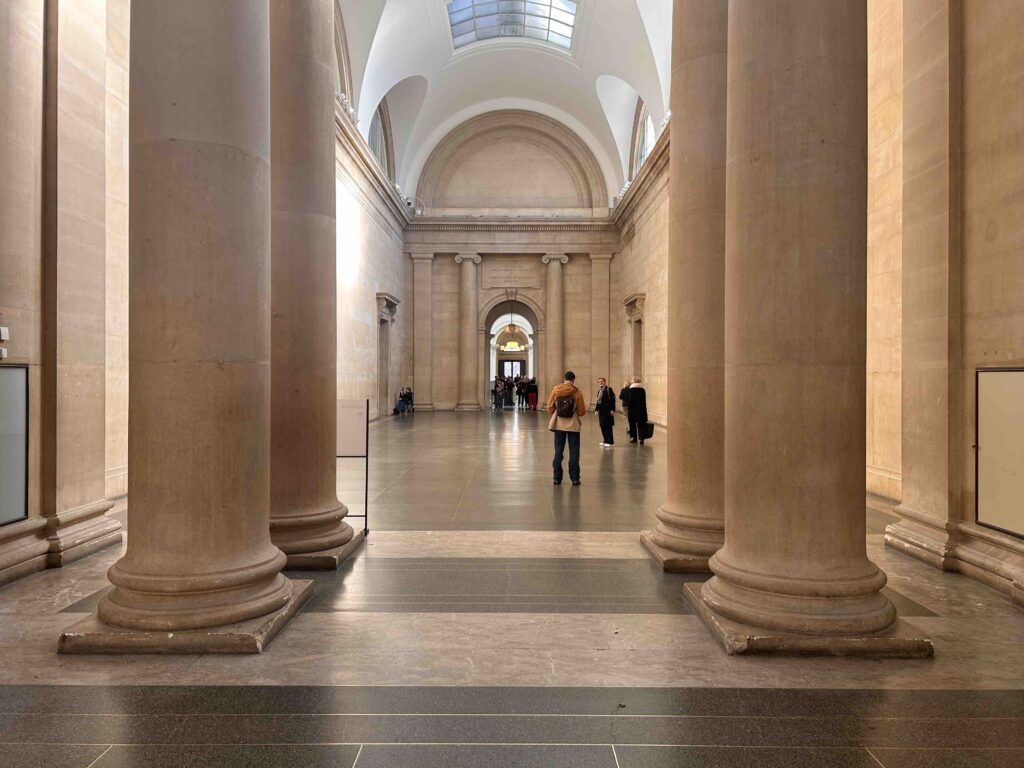
John Wyver writes: An inconsequential observation, and as such one that hardly warrants its own post. But I was at Tate Britain this morning, among crowds attracted by the final days of Lee Miller (until 15 February) and the blockbuster Turner& Constable: Rivals and Originals (all day tickets sold by 10.30 or so when I arrived). With such pleasures on offer the curatorial staff have clearly felt that, following a recent presentation of Tate’s major Epsteins, the lofty central Duveen galleries (that’s the south one, above) and central rotunda can be left empty for a while.
Although I have noticed this quirk before, I was especially taken today by the ‘ghost’ shadows on the stone (marble?) paving. Marks made by heavy sculptural installations from the past, these seem to inhabit the floor of the south Duveen gallery in a rather unique way. Something about the surface means that these traces of lost exhibitions persistently resist cleaning away.
John Wyver writes: Late on Sunday night, BBC Four brought to the screen the 1956 BBC production of Arthur Benjamin’s 75-minute opera Mañana. The transmission was 70 years to the day after its television premiere, and the recording is now available for the next 29 days on BBC iPlayer. The resurrection of this from the archives is remarkable, just as is the current availability of the 1953 The Lady from the Sea, and one can only hope it suggests that the schedulers will continue to burrow into the available riches.
Frustratingly (and I’m tempted to add, of course) there is no detailed information available on iPlayer, and not even a still, while on transmission there was only a spare line of presentation voice-over noting the anniversary.
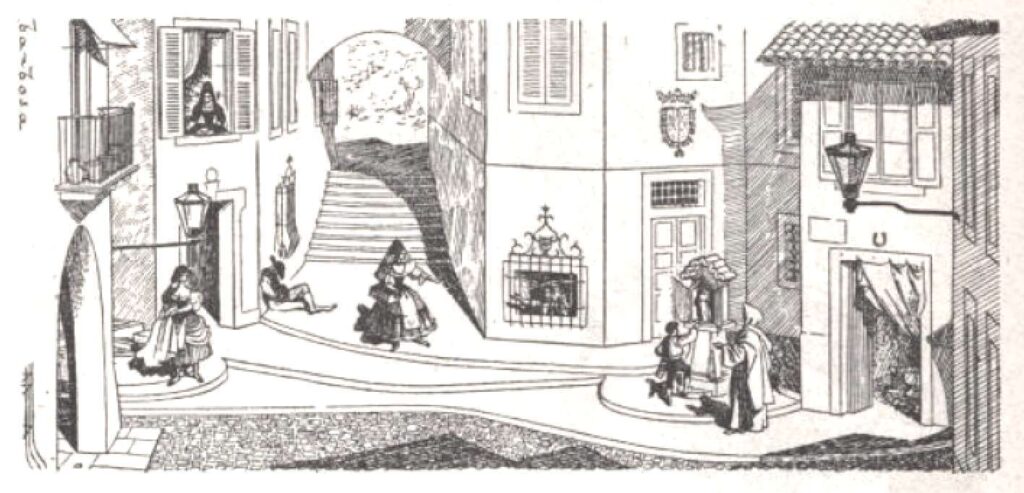
So ahead of thoughts about the production in a post later this week, today I’m sharing something of the backstory to the opera’s production gleaned from Radio Times and other online sources. The drawing above accompanied a feature in the Radio Times issue of 27 January 1956, when the production graced the magazine’s cover.
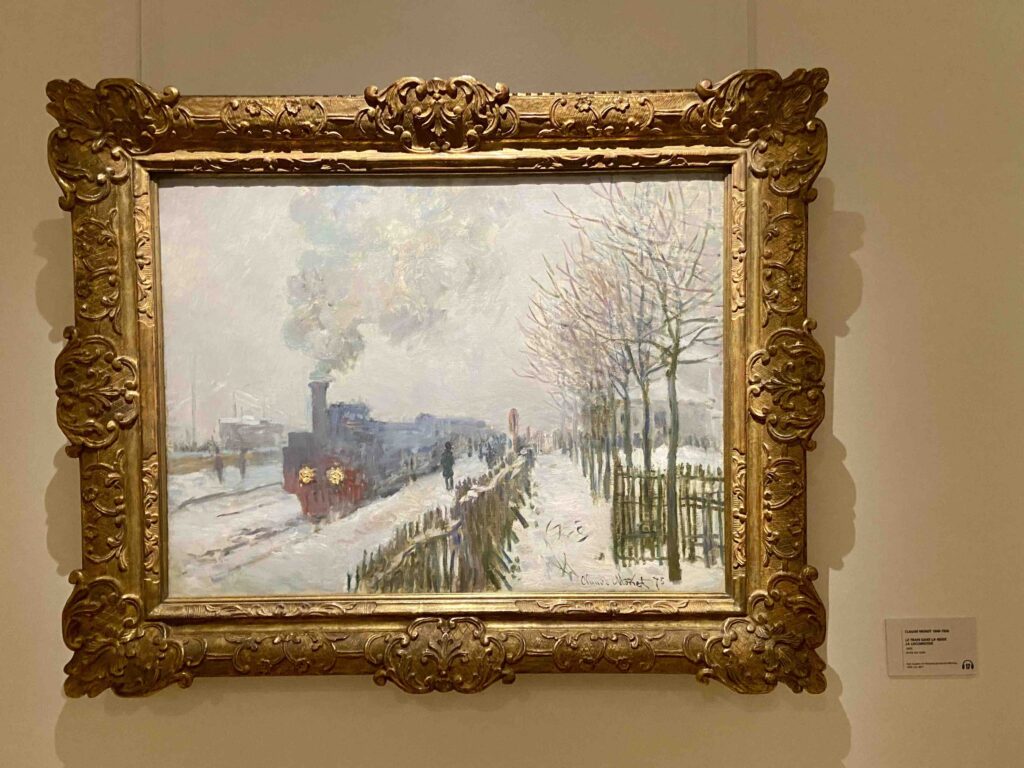
John Wyver writes: Slightly late posting this today, but offered now in the hope you’ll find it interesting and useful. Asd ever, it’s a miscellany of stuff that I found valuable and engaging over the past seven days. The appropriately snowy image is Claude Monet’s Le train dans le neige. La locomotive, 1875, which I saw on a blisteringly hot day last summer at the Musée Monet Marmottan.
But there’s only one thing to start (and end) with this week:
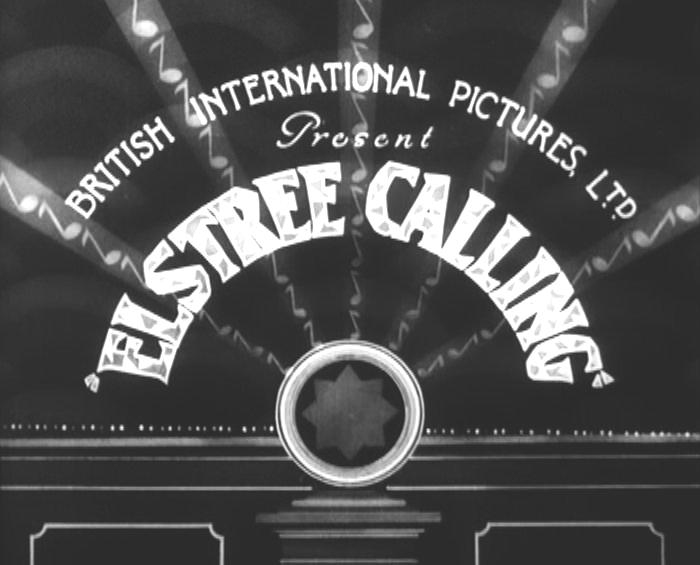
John Wyver writes: The final screening in the BFI Southbank season linked to the publication of Magic Rays of Light: The Early Years of Television in Britain is on Saturday afternoon at 15.00. The oddball programme pairs Elstree Calling, 1930, with the astonishingly eccentric and super-rare Television Follies, 1933. Tickets are still available, and you can book here. Below I’m reproducing the programme note that I have compiled for the event, which provides further details about both films.
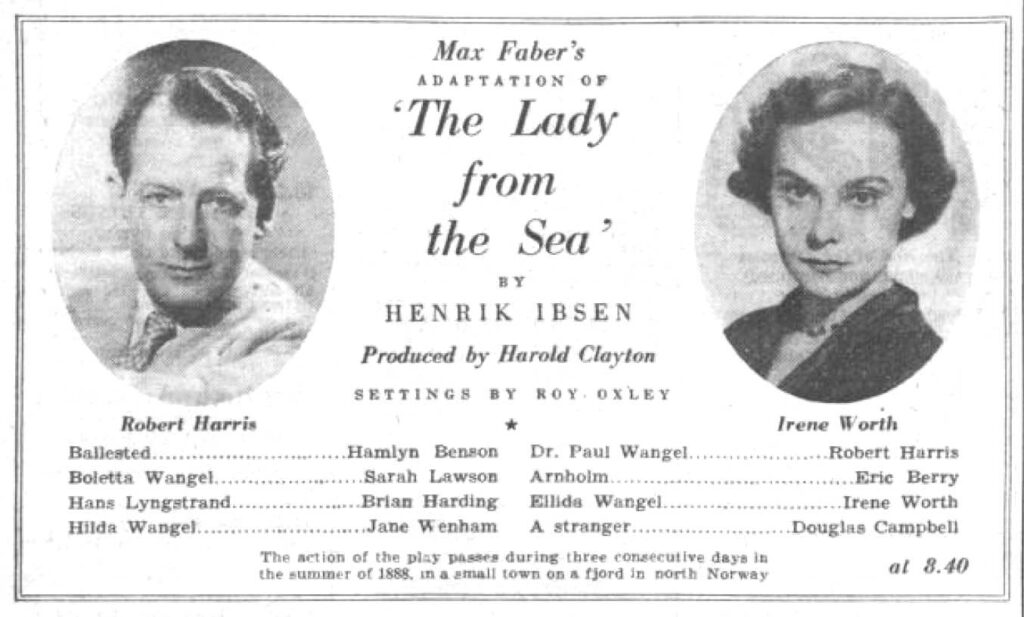
John Wyver writes: The earliest programme to be featured in BBC iPlayer’s treasure trove of Henrik Ibsen plays and documentaries is the production of The Lady from the Sea, first shown in May 1953. Seen initially in the days just before the Coronation of Queen Elizabeth, this is one of the very earliest television dramas to be preserved in the archives, and as a consequence is a recording of singular interest. It is a bonus that it also remains a highly watchable, engrossing and indeed moving production.
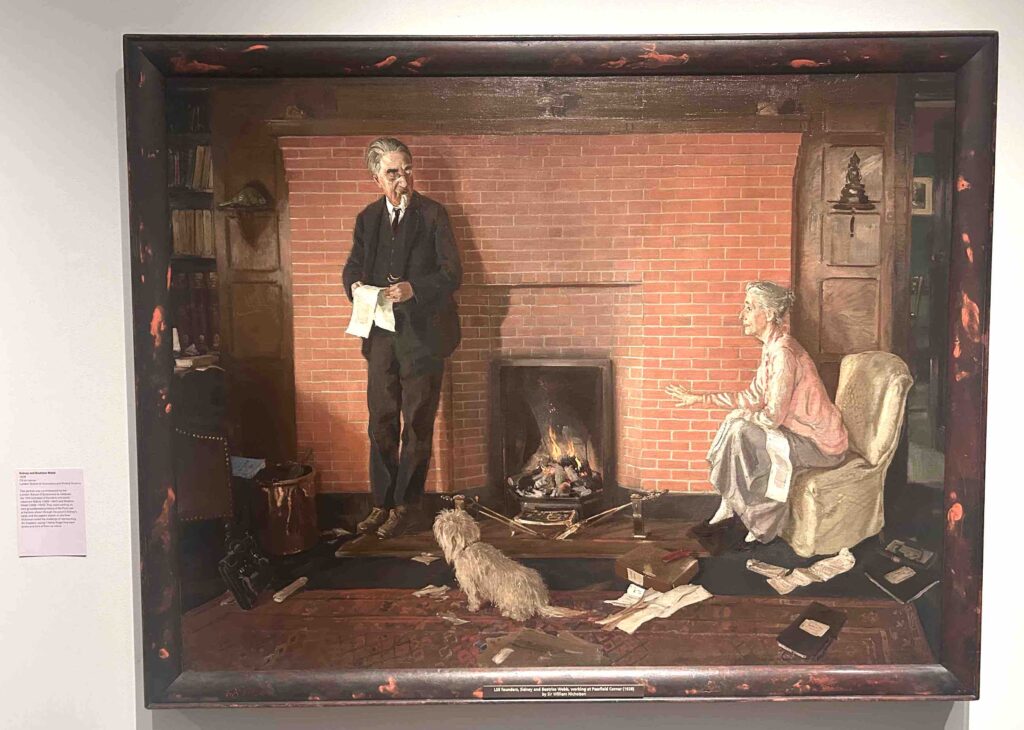
John Wyver writes: To Chichester by train last Saturday for a visit to Pallant House Gallery, both to see the current William Nicholson exhibition (on until 10 May) and to have lunch at Pallant Café, which for me is the country’s best restaurant run by a cultural institution. May I especially recommend the Welsh rarebit?
Pallant House, with its exceptional permanent collection of modern British art and its intelligent programme of temporary exhibitions is without question our best gallery, excepting only Tate, for looking at 20th and 21st century art. Combining a visit with the rarebit and then a matinee at Chichester Festival Theatre, as well as the town’s very fine Lakeland, is close to a perfect day out, although at this time of the year the stage offerings are limited.
The arts remain utterly central to the BBC’s mission. We want to send out a strong signal, that arts and culture matter, they matter for everyone, and they matter even more when times are tough.
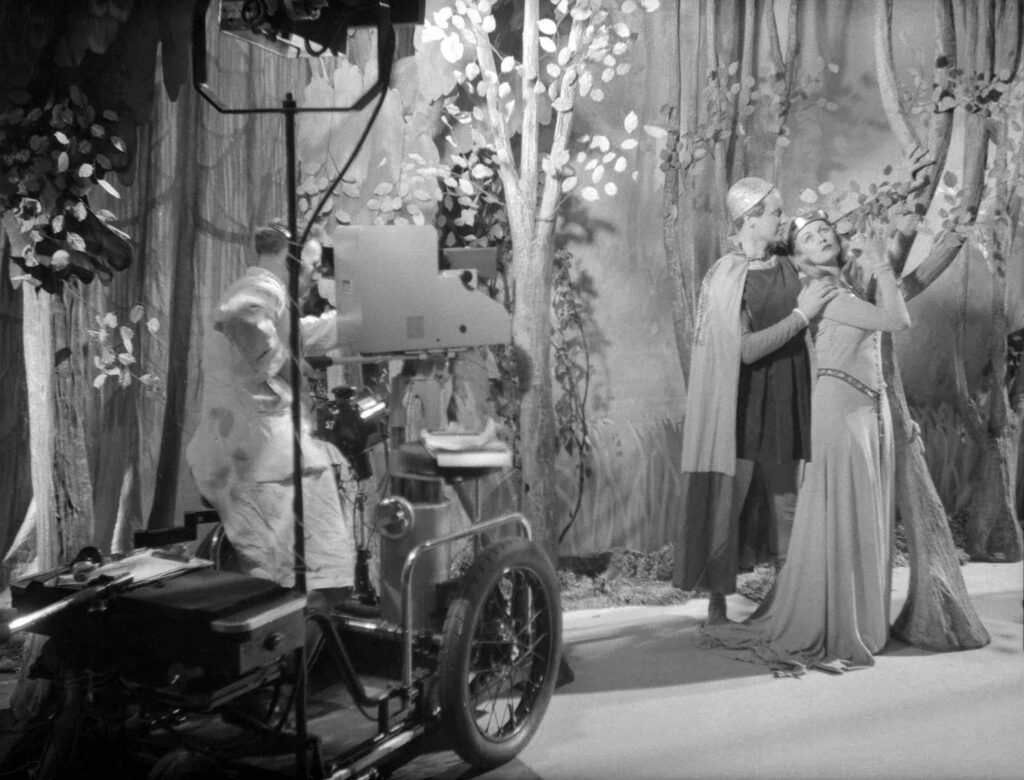
And I argue that, in stark contrast to the arts on BBC television in the 1930s (such as the 1938 Tristan and Isolde, above),
there is no sense that Davie’s words are borne out by the current television schedules. There is no regular slot for imaginative and creative arts documentaries, such as Omnibus which lasted from 1967 to 2003, nor space for reviews and debate, like The Late Show, a nightly arts magazine show that ran throughout the early 1990s. Today’s and tomorrow’s visual artists and performers have only the most minimal presence.
The vanishingly rare presentations of stage work, whether dance, opera or theatre, are invariably acquisitions from cultural organisations that provided most of the funding and all of the production expertise. Complexity and challenging contemporary creativity are almost entirely absent. Far from being “utterly central”, the arts are today utterly marginal to BBC television.