26th January 2026
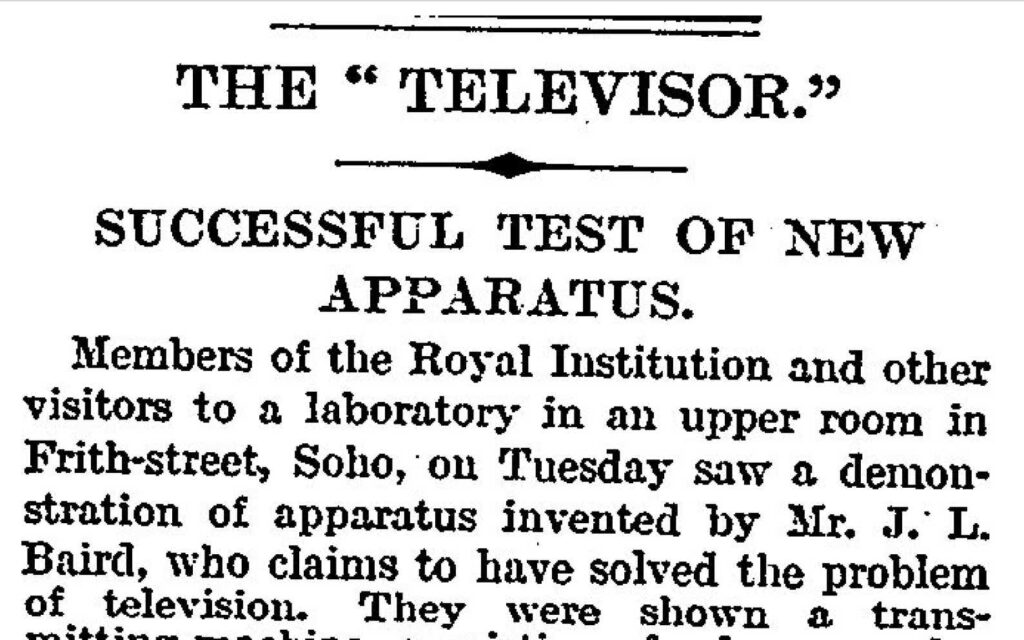
John Wyver writes: Happy 100th birthday, television! Exactly one hundred years ago tonight, John Logie Baird gave the first public presentation of what he called ‘true television’ in his workshop about what is now Bar Italia at 22 Frith Street, London. This blog starts with an extract from Magic Rays of Light: The Early Years of Television in Britain, following which are some links to other online elements marking today.
read more »
25th January 2026
John Wyver writes: As the world turns, every week can seem more extraordinary, and more distressing, than the last. As a tiny antidote to the hideousnesses elsewhere, here’s a selection of stuff that has engaged and enriched my life over the past week, with some politics but with much more besides.
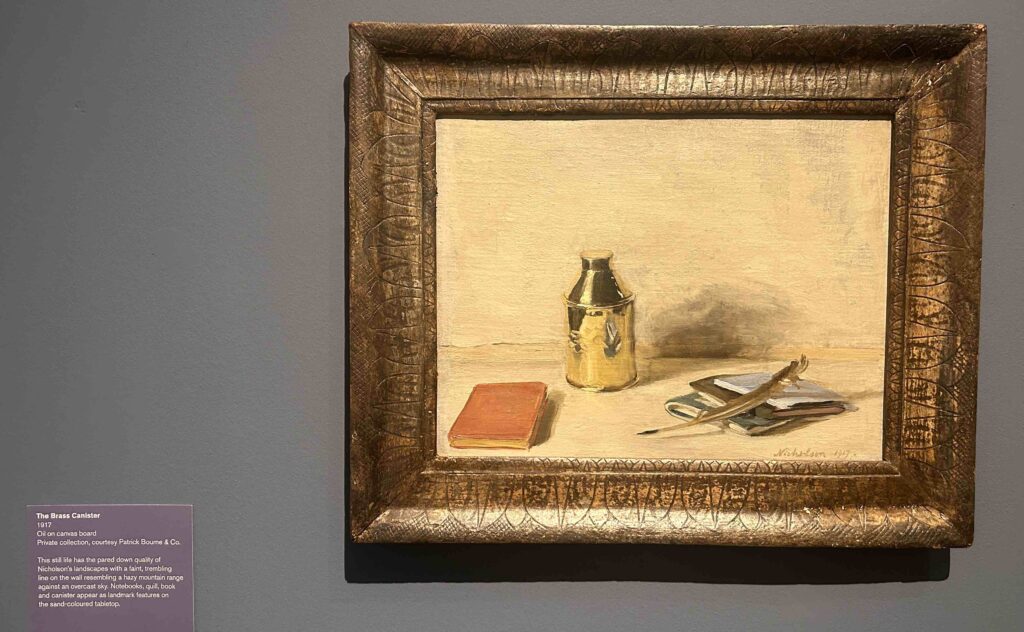
This week’s image is William Nicholson’s The Brass Canister, 1917, from the fascinating retrospective at Pallant House Gallery, Chichester (until 31 May), which I visited on Saturday. I intend to return to the show, and the wonderful Pallant, in a future post.
read more »
23rd January 2026
John Wyver writes: Our series of screenings at BFI Southbank linked to the publication of Magic Rays of Light: The Early Years of Television continues on Sunday, 25 January, with the second of three programmes of British feature films that offer imagined versions of television at its start. The silent version of High Treason, presented with piano accompaniment by John Sweeney, played to a sold-out NFT2 last weekend.
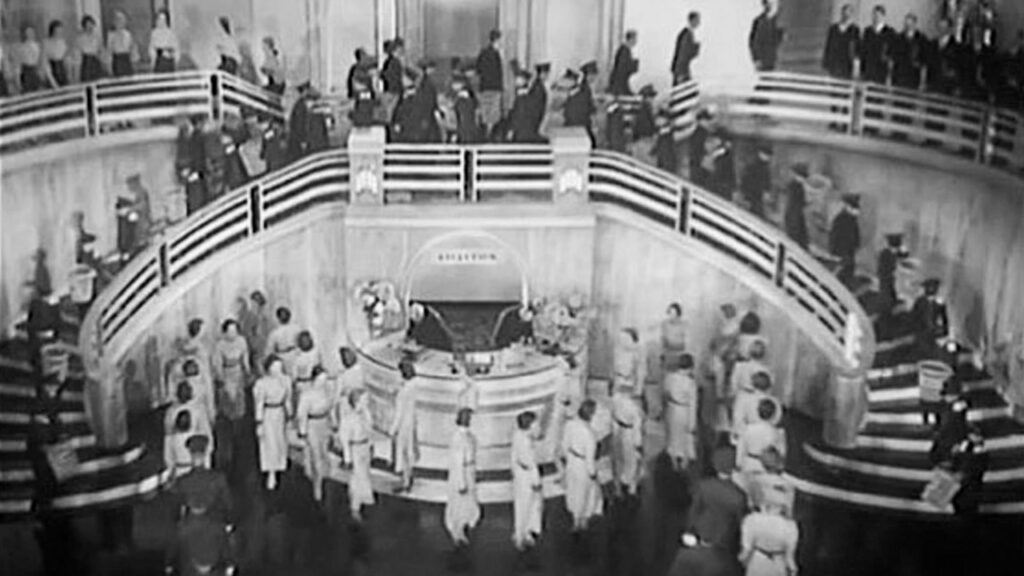
On Sunday afternoon there is a rare large-screen outing for the 1934 Will Hay comedy Radio Parade of 1935. This is a fascinating satire on the BBC, with Hay as an only lightly-disguised Lord Reith, and with a vision of television that is entirely distinct from domestic broadcasting. Tickets are still available. Reproduced here is the programme note I compiled for the event, in the form of a substantial extract from an excellent John Ellis essay about the film.
read more »
22nd January 2026
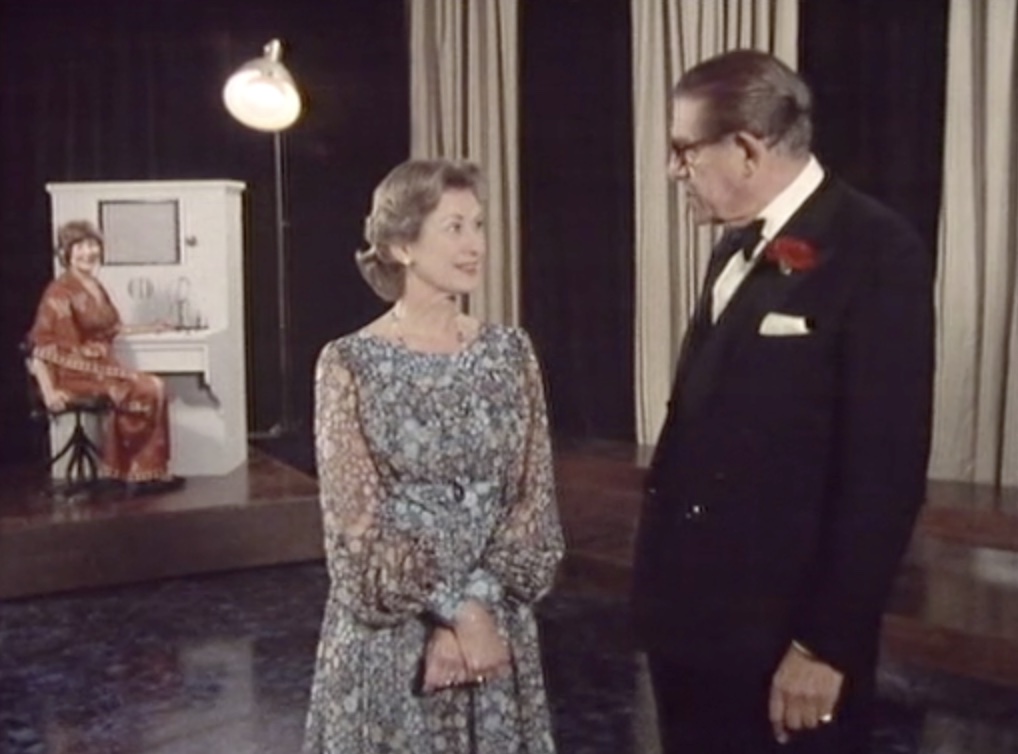
John Wyver writes: To mark Monday’s Centenary of television in Britain, BBC Four this week played two programmes from the archives, The Birth of Television from 1976 (a scene from which is above) and JLB: The Man who Saw the Future, a 2003 drama-documentary about John Logie Baird. Both are now on BBC iPlayer for a month (the programme titles are links there), and I thought it would be interesting to revisit them. Today’s post is about the 1976 film, and we’ll get to JLB in a future post.
read more »
20th January 2026
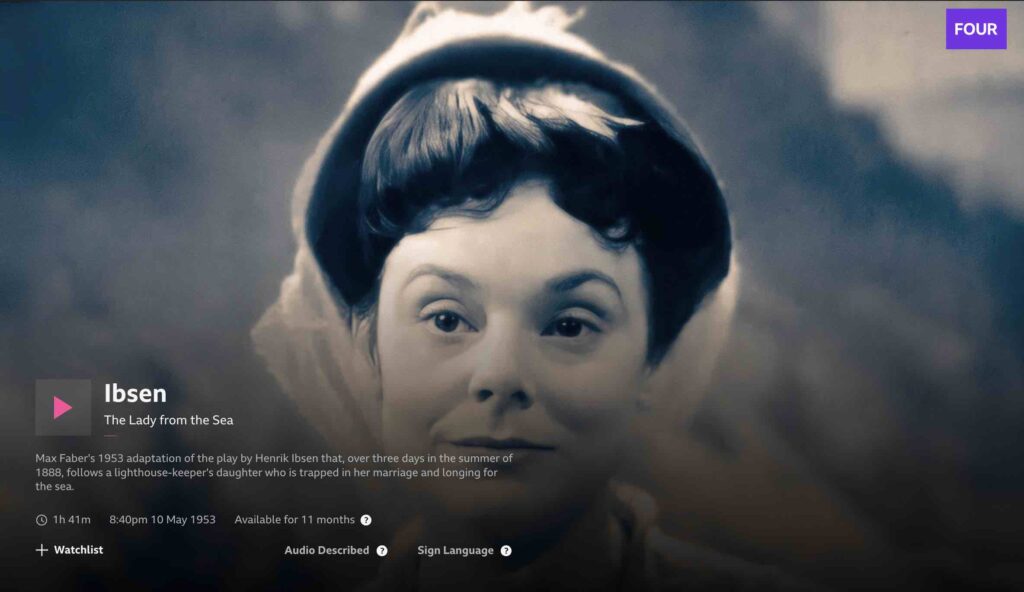
John Wyver writes: Sunday on BBC Four and BBC iPlayer saw the start of a thrilling season of classic dramas by, and documentaries about, Henrik Ibsen. The full programme, to be broadcast over the coming weeks, is now available for streaming for the next eleven months (and hopefully with an extension), and there are riches galore. The offerings come from five decades from 1953 onwards, and some are true rarities; a number of the productions have not previously been accessible since transmission; and there is at least one remarkable restoration.
Those appearing on screen include Judi Dench, Anthony Hopkins, Ingrid Bergman, Michael Gambon, Kenneth Branagh, Juliet Stevenson, Jenny Agutter, Patrick McGoohan and many more. Production talent includes Waris Hussein, Elijah Moshinsky and David Thacker. For viewers interested in television drama and theatre history, this is a peak ‘high art’ offering. So given that television these days provides few such cultural treats, why is the corporation not making more of a fuss of this?
read more »
19th January 2026
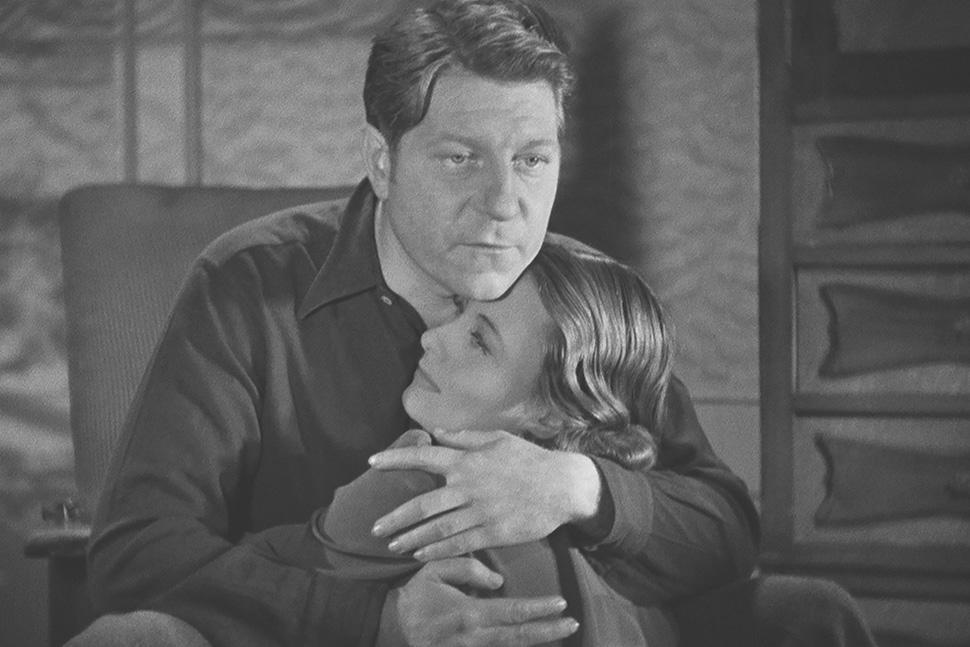
John Wyver writes: To BFI Southbank yesterday for an accidental double bill. I hadn’t planned it this way, but it happened that I watched Marcel Carné’s Le Quai des brumes, 1938 (above), just before the silent High Treason, 1929, the third programme in the Magic Rays of Light season. I’m not sure there are any parallels between the two, beyond the fact that both made for exceptional cinema experiences.
read more »
18th January 2026
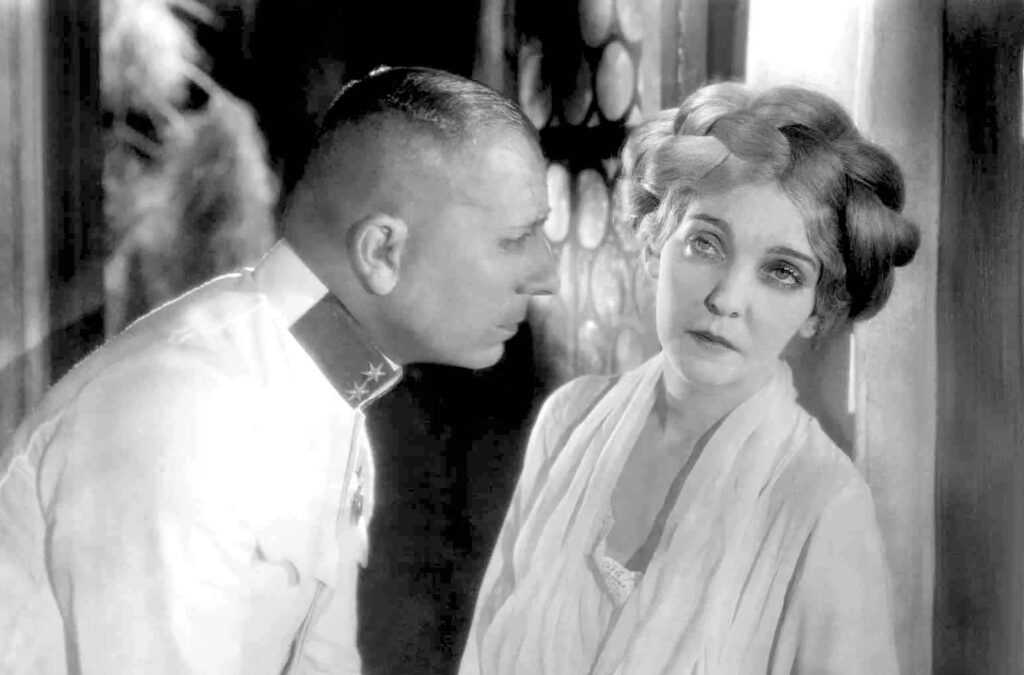
John Wyver writes: The usual weekly round-up of some of the stuff that has engaged and interested me over the past week; more literary than some weeks, and with much, mostly cultural, from across the Atlantic, but with some strong film and television links too.
• Erich von Stroheim’s spectacular art is back: cued by a reconstruction and restoration of Queen Kelly (above) by Milestone Films playing in New York, the estimable Richard Brody for The New Yorker [£; limited free access] reflects on the career of its curator; see also Nicholas Rapold’s review for The New York Times [gift link]
• 10 great filmmaker biopics: tied to the imminent release of Richard Linklater’s glorious Nouvelle Vague, this list by Miriam Balanescu has some strong, slightly off-the-wall suggestions.
read more »
16th January 2026
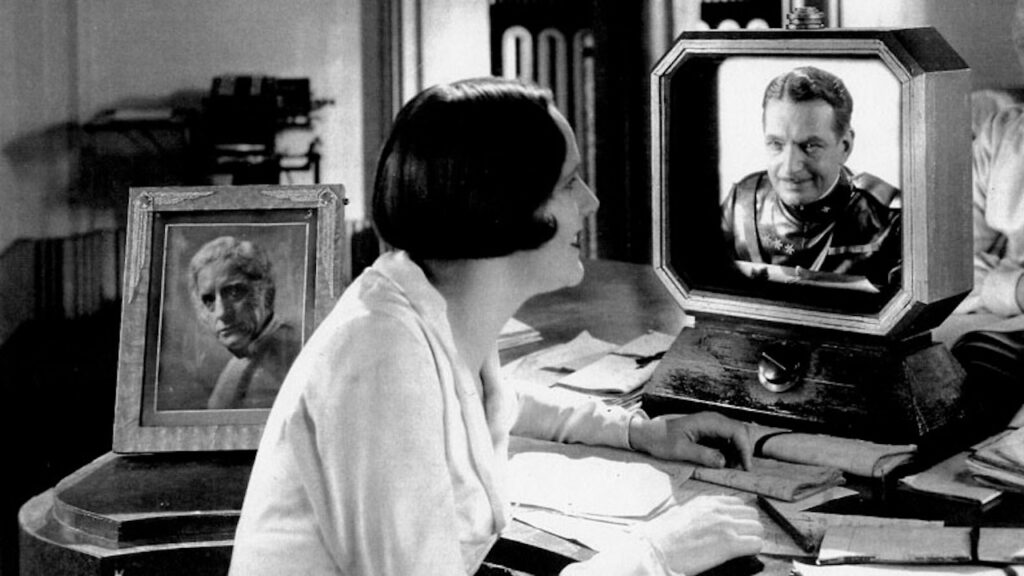
John Wyver writes: The successful series of screenings at BFI Southbank continues on Sunday, 18 January, with the first of three programmes of British feature films that offer imagined versions of television at its start. First up is the silent version of High Treason (above), a science fiction drama directed by Maurice Elvey, which will be presented with piano accompaniment by John Sweeney. A few tickets are still available. Reproduced here is the programme note that I have compiled for the event.
read more »
14th January 2026
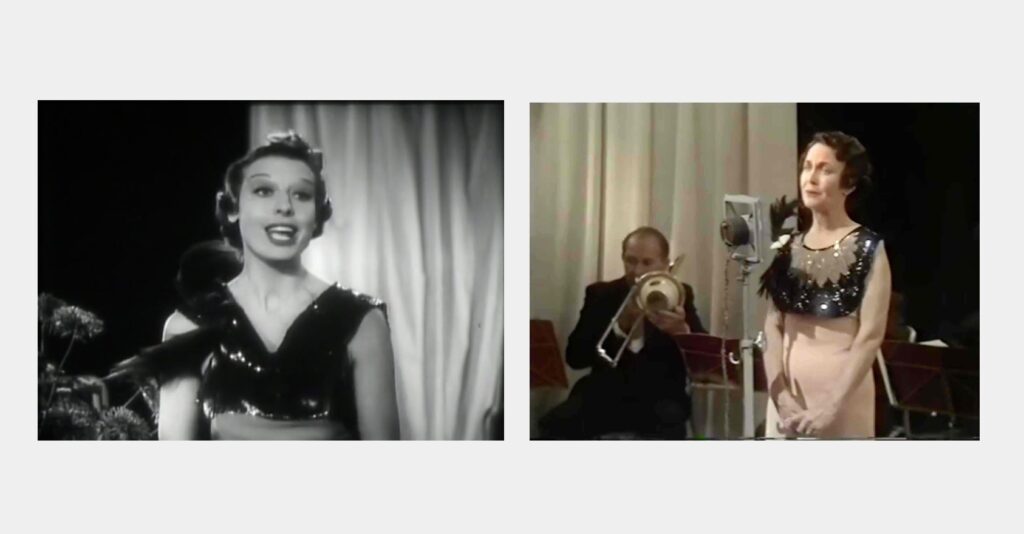
John Wyver writes: The BFI Southbank season continues tomorrow, Thursday 15 January, with an early evening screening in NFT2 of two remarkable programmes. First is a 1970 edition of the BBC2 arts magazine series Review which features a recreation of the 30-line broadcast from 1930 of The Man with the Flower in his Mouth. The original production team are reunited forty years after the original transmission to give a unique insight into the making of early television.
Following this is Jack Rosenthal’s 1986 drama The Fools on the Hill, a loving, comic (and highly inaccurate) imagining of events at Alexandra Palace leading up to the first night of the BBC’s high definition service on 2 November 1936.
I’ll be providing an introduction and tickets are still available. Meanwhile, following is the text of the programme note that I have written for the evening. And the image above pairs Pat Whitmore as Adele Dixon from The Fools on the Hill with the real deal in Television Comes to London.
read more »
13th January 2026
John Wyver writes: Taking a break from posts about Magic Rays of Light, I am delighted to highlight another article of mine that has just been published in the latest edition of VIEW: Journal of European Television and Culture.
Online and fully open access, issue no 28 collects a rich group of exceptional contributions under the title, ‘With and Against the Grain: Creative Dialogues with Broadcast Archives’. And my essay, which is illustrated with a couple of archive extracts and a number of framegrabs, revisits the 2021 film Coventry Cathedral: Building for a New Britain that I made for BBC Four with Todd MacDonald, Ian Cross and Helen Wheatley.
read more »