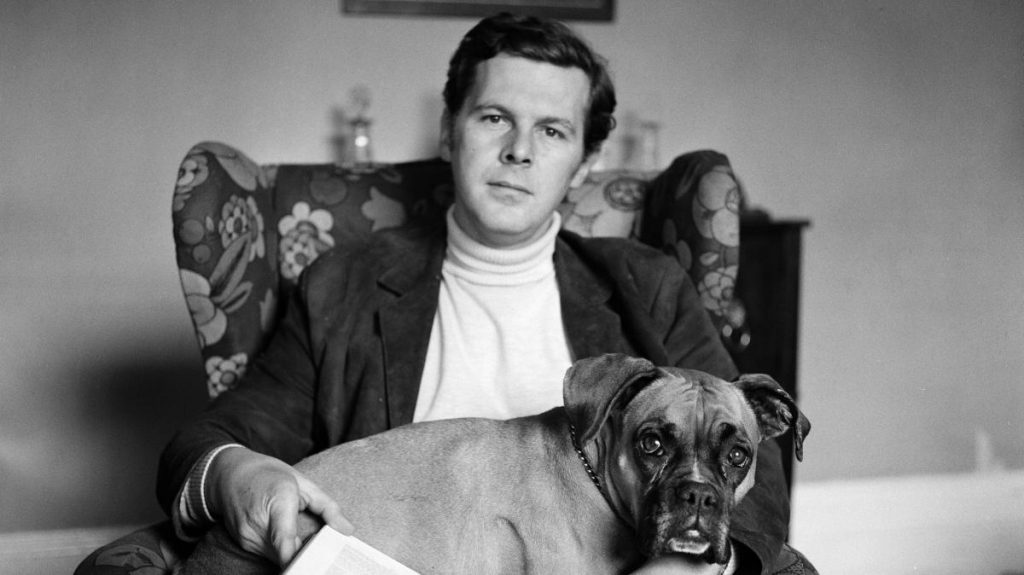
John Wyver writes: The director and television drama executive James Cellan Jones died recently at the age of 88. He was a very fine studio director who started working with the BBC in 1963, and who later became Head of Plays, 1976-79. Among his achievements was directing episodes of the game-changing serial The Forsyte Saga in 1967. In 2005 Kaleidoscope published his entertaining memoir Forsyte and Hindsight: Screen Directing for Pleasure and Profit. An outline filmography is here, and there is a short tribute from BAFTA here. I’ll add any obits that I come across, but in this post I want to contribute a short expression of thanks for a kindness that he did for me right at the start of my professional life.
Thrilling news from our friend and colleague Keith Griffiths, who writes the following on his Facebook page:
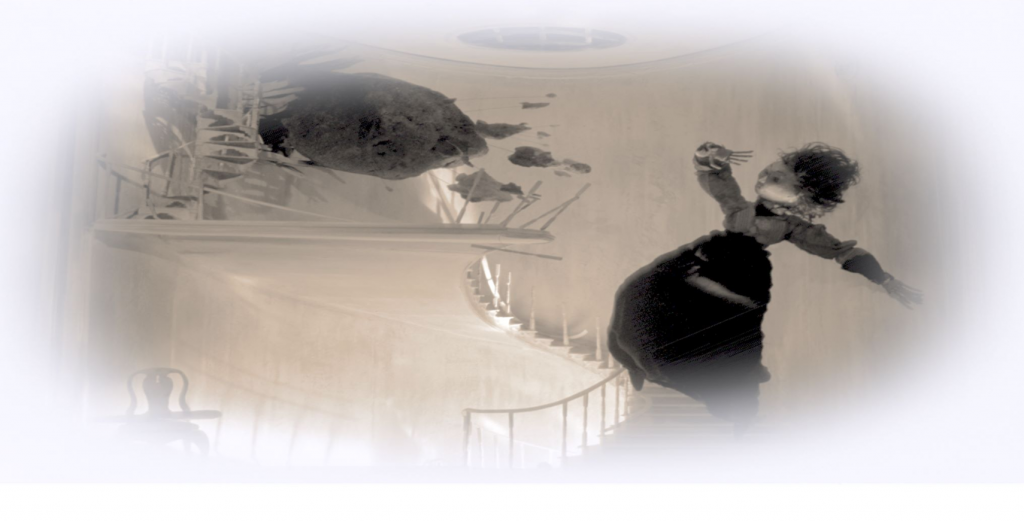
After three years of painstaking animation and production, tonight, Wednesday 11 September, sees the world premiere of The Doll’s Breath, the new 22-minute animated film from the Brothers Quay. It will be a Special Screening at the 25th Edition of the L’ÉTRANGE Festival held at the Forum Des Images, Paris.
There will be a repeat screening on Friday and the Brothers are attending both, and conducting a Q&A afterwards. The film is inspired by Felisberto Hernández’s Las Hortensias and is the second time that the Brothers have based a film on his fantastical stories. In this one Horacio, a former window dresser, sets up complicated charades where women and life-sized dolls change places in a web of jealousy, betrayal and murder.
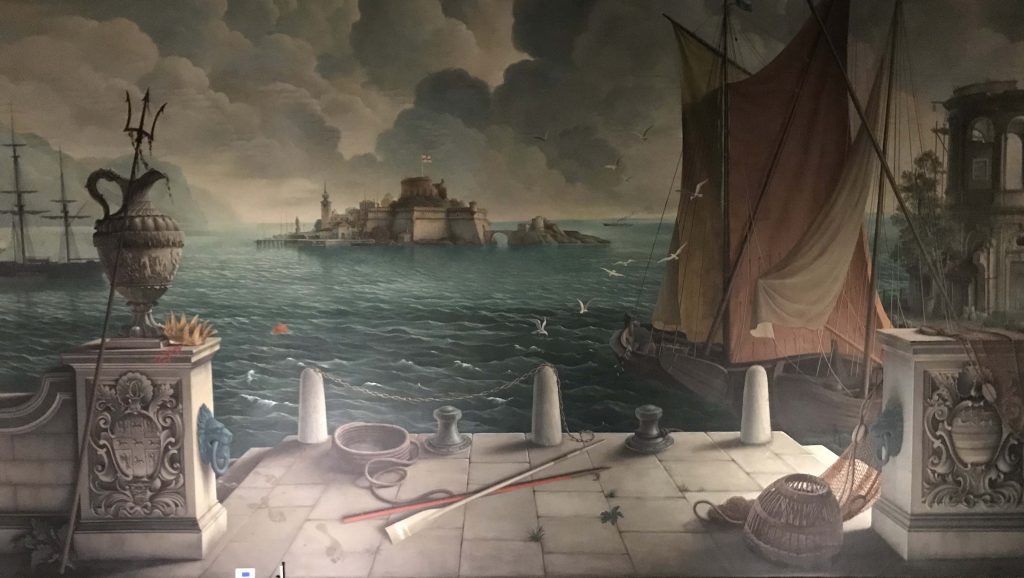
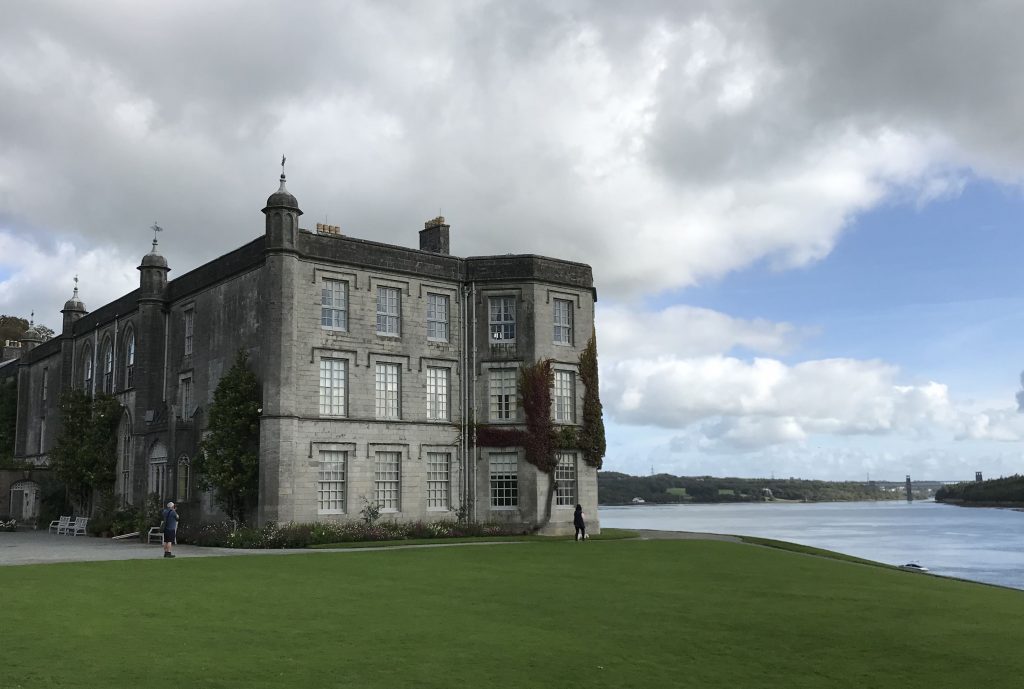
John Wyver writes: I’m never entirely certain if it’s interesting to post here about artworks or architecture that I’ve encountered, or about films and television I’ve watched, or books that I’ve read. Indeed, after well over a decade, on and off, writing this blog, I’m still uncertain about quite why I do it. Or what readers get from it. Meanwhile, from time to time, and far from as regularly as I would like, I carry on, as with this post about a visit today to Plas Newydd. Spectacularly sited looking out over the Menai Strat, this house is the ancestral home of the Marquess of Anglesey, and is now in the care of the National Trust. Installed here is Rex Whistler’s spectacular modern masterpiece, ‘Capriccio of a Mediterranean Seaport with British and Italian Buildings, the Mountains of Snowdonia, and a Self-portrait wielding a Broom’ (1936-37).
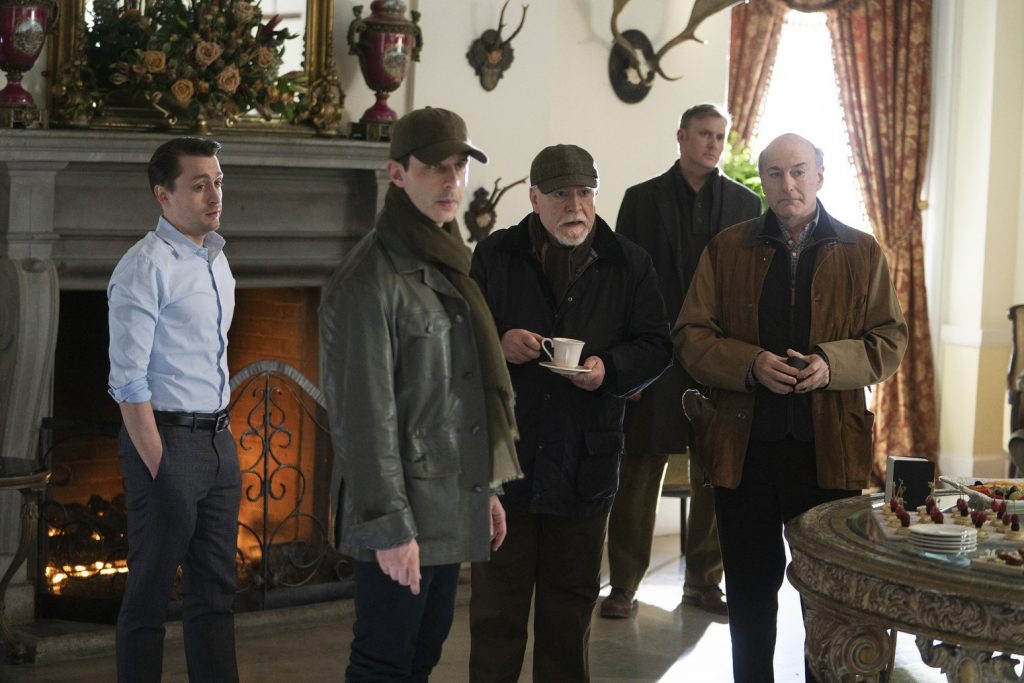
John Wyver writes: The summer is nearly over, the Ashes nearly lost (again), series 2 of the wonderful Succession (above, HBO/Sky Atlantic) is with us and there’s not much going on in politics. So it feels like a good moment to return to our neglected blog. Let’s also return to this weekly format for recommendations of stuff that you might find interesting to read or to watch — and then let’s see how we get on with additional posts over the coming weeks. Watch out for news of coming projects and activities.
• The 1619 Project: the essential online publishing project of the summer, from The New York Times – an interactive engagement in essays and images with slavery and its legacies. This
aims to reframe the country’s history, understanding 1619 as our true founding, and placing the consequences of slavery and the contributions of black Americans at the very center of the story we tell ourselves about who we are.
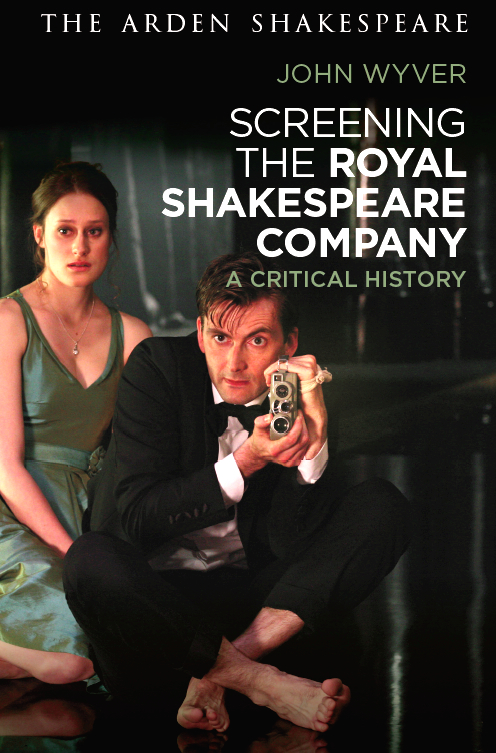
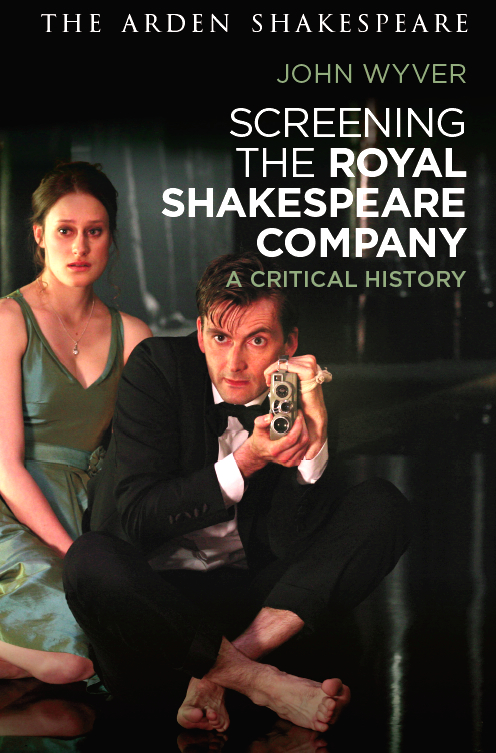
John Wyver writes: So it’s the official publication day for Screening the Royal Shakespeare Company: A Critical History. My thanks to The Arden Shakespeare for taking this on, to Gregory Doran and other colleagues at the RSC for all their support, and to numerous other scholars, archivists, friends and more for assistance in making this real. I am thrilled to see my book in print.
I know that, because of the demands of academic publishing, the hardback price for the book is unaffordable. But I hope that there will be a paperback next year – and a good reception will help that process. In the meantime I would be delighted if you would consider recommending it as a library purchase.
Publication day for my book Screening the Royal Shakespeare Company: A Critical History looms, and so here’s another instalment in my chapter-by-chapter breakdown. The third chapter, ‘Making Movies, 1964-73’ is really an essay of two halves. The second part considers the remarkable trilogy of feature films that Peter Brook made from his productions with the RSC during the 1960s: Marat/Sade, 1967; Tell Me Lies, 1968 (the Godardian trailer for the recent French restoration of which is below); and King Lear, 1971 (based on Brook’s 1962 Stratford production with Paul Scofield).
I also explore other moving images traces of Brook’s work during this extraordinary decade, and the Guardian last week ran an edited extract about my search for film records of his ground-breaking 1970 production of A Midsummer Night’s Dream. By contrast, although with all sorts of links to this story, the first part of Chapter 3 relates the almost-entirely-untold relationship in the 1960s between the RSC and the Hollywood ‘mini-major’ production outfit, Filmways.
John Wyver writes: I’ve been pre-occupied with other stuff for the last few weeks, but I want now to offer two or three ‘links’ posts rounding up articles that have engaged me recently – to start with, here are pieces about the past, present and possible futures of various media, including the one we persist in calling television.
• Introducing the BBC Box: Bill Thompson and Rhianne Jones at BBC R&D offer an initial glimpse of a prototype device that pulls together your personal data into one place – and that could be deployed in a public service context; my sense of this is that it could become very important – and for background see Matthew Postgate’s ‘Looking at the BBC’s role in data-led services’, also from BBC R&D.
My book Screening the Royal Shakespeare Company: A Critical History is published this coming week by Bloomsbury as part of The Arden Shakespeare series. I own to being very pleased about this, and I am writing a series of posts that detail the contents chapter-by-chapter. A first post is here, and another here; more will follow in the next few days. The book’s second chapter, ‘Television Times, 1961-68’, looks primarily at the relationship of Peter Hall‘s newly renamed Royal Shakespeare Company had with BBC Television through the 1960s. The central case study is the still astonishing trilogy The Wars of the Roses, recorded in the autumn of 1964 and first broadcast at Easter 1965. Illuminations has published this series on DVD, which is available here.
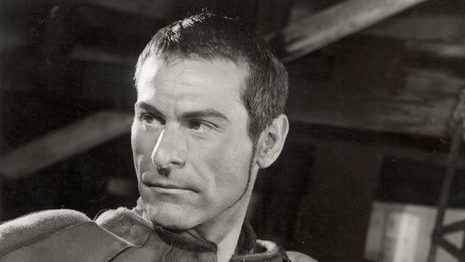
John Wyver writes: Today would have been the 100th birthday of Sam Wanamaker (pictured above as Iago in Stratford in 1959), the American actor and director who conceived the idea and campaigned for many years to build the replica of Shakespeare’s Globe on the South Bank. In the second of a series of posts leading up to the publication on 27 June of my book Screening the Royal Shakespeare Company: A Critical History, I have a story – that I am pretty sure has never been told before – about an earlier project to build a replica Globe – in Stratford-upon-Avon! Had this happened, as was explored seriously in the late 1950s, the post-war history of Shakespeare in the British theatre would almost certainly have been intriguingly different.
John Wyver writes: I am thrilled that my book Screening the Royal Shakespeare Company: A Critical History will be published by Bloomsbury in The Arden Shakespeare series on 27 June. It aspires to be an academic study of the adaptation history of the RSC from 1910 to today, but I hope that readers with a more general interest in the company and in the processes of translating stage to screens will also find it worth their time. Such are the exigencies of academic publishing, this is a volume that perhaps you might consider requesting from a library, rather than buy as an eye-wateringly expensive hardback or e-book. There is likely to be a more reasonably priced paperback next year – and the more libraries purchase the hardback, the quicker this process may work its way through the system.
My plan over the next month is to write 5 or 6 posts that outline the contents of the chapters – and that highlight bits and pieces that may prove to be intriguing. Let’s start today with the Introduction.
I begin with a roll-call of RSC Richard IIIs whose performers were preserved in some form of screen version: Frank Benson in a silent adaptation released in 1911:
From later, there is Baliol Holloway glimpsed in a 1939 travelogue funded by London, Midland and Scottish railway; Ian Holm in the triumphant BBC recording of The Wars of the Roses, recorded in 1964 (and which Illuminations has released on DVD); Antony Sher, whose spider-like king exists in short extracts filmed for a BBC review programme, and in one of the single-camera archival recordings that the company began to make in the early 1980s; Jonathan Slinger in Michael Boyd’s magnificent Histories cycle of the 2000s , who was also captured by the merciless fixed camera; and Jonjo O’Neill whose antics live on in various paratextual moving images filmed in 2012, including this:
My hope is that looking at these Richards can give a sense of the riches of the RSC screen traces over more than a century. ‘No theatre company in the world,” I assert, ‘has a more extensive and more varied moving-image history.’ And this history, although it has been marginalised in most of the writing about the RSC, has much to tell us not only about the company ‘but also about approaches to Shakespeare, about the theatre, about translations from the stage to screens of many kinds, and about the culture and society that brought them forth.
The company’s adaptation history embraces feature films, television productions, documentaries, all kinds of performances extracts, archival recordings, paratexts and, most recently of course, the RSC Live from Stratford-upon-Avon cinema broadcasts that I produce for the company – and the next of which is the wholly enjoyable and richly interesting The Taming of the Shrew, to be shown this coming Wednesday, 5 June:
And of course this is not just a story about Shakespeare on stage and screen. Adaptations have been made from RSC productions of Molière, Ibsen, Strindberg, Rostand, Bulgakov, Giraudoux, Pinter, Duras and Weiss. There is a grand parade of great actors who appeared in these adaptations: John Gielgud, Peggy Ashcroft, Vanessa Redgrave, Glenda Jackson, Ian McKellen and Patrick Stewart, as well as more recent stars like David Tennant and Pappa Essiedu. Key directors who transferred their stagings to the screen include Peter Hall, Peter Brook, Trevor Nunn and Gregory Doran.
The mediation processes that brought many of the major works are considered in the book in detail, exploring questions of technology as well as the economic, creative and cultural contexts in which they were created. I also argue that ‘the collectivity of the screen versions can be regarded as a multistranded adaptation of the lives, both public and private, of the RSC as a company.’ My hope too is that considering the adaptation history ‘can offer insights into broader social and cultural questions.
At each stage this study asks why certain RSC productions were adapted, and others not; what riole the company and its creatives had on each occasion in determining what was screened, and how the translation occurred; how the company is presented by a particular adaptation… and what meanings or value the RSC is contributing to its partners who, as likely as not, provided production funding and undertook distribution.
One other key imperative behind the book is simply to map the RSC’s screen archive, and to raise awareness of it so that it can become more available and more useful to practitioners today and tomorrow.
Despite at present being comparatively little-recognized and rarely activated, the moving-image archive of the RSC offers a rich resource for creators to learn from, and for them to reuse and rework, and perhaps especially so as adaptation forms become increasingly complex and hybrid. The archive must not simply be a passive object of study but also needs to be an active contributor to original ways of bringing together stages and screens of all kinds.
To which ends, the book unfolds in the following way:
Chapter 1: Beginners, 1910-59: engagements with the varied early engagements with the screen of the Stratford company before it became the RSC in 1961, including Frank Benson’s silent Shakespeare, documentaries in the 1930s, radio recordings from the 1950s, a first live television broadcast in 1955 with part of The Merry Wives of Windsor, and a recording of Peter Hall’s 1959 A Midsummer Night’s Dream, shot for American television but never broadcast.
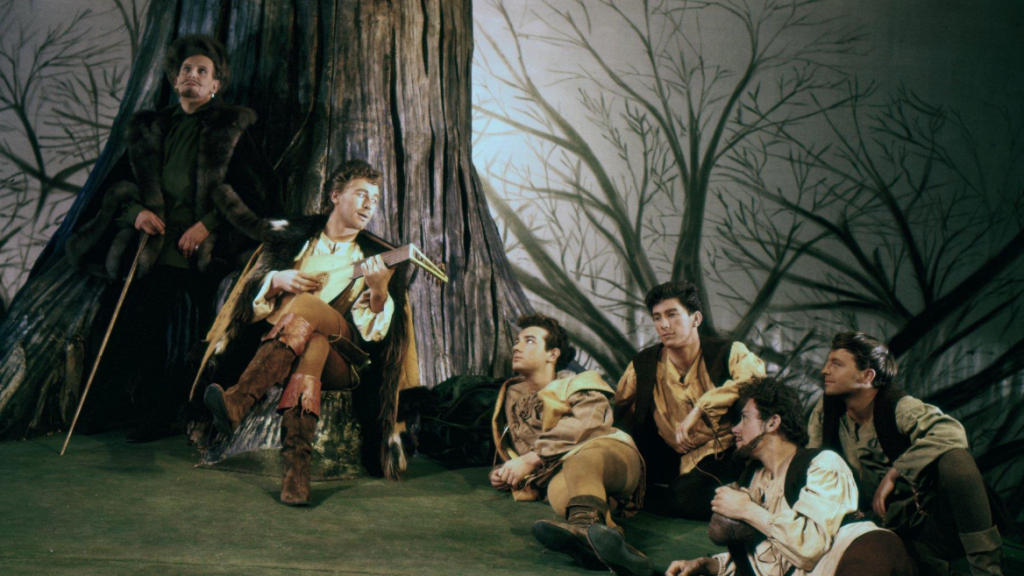
Chapter 2: Television Times, 1961-68: consideration of the RSC’s profoundly collaborations with BBC Television, including on a glorious The Cherry Orchard (1962), a vivid As You Like It (1963) and The Wars of the Roses (1965).
Chapter 3: Making Movies, 1964-73: the largely untold story of the RSC’s deeply problematic flirtation through the 1960s with the Hollywood producer Filmways, plus a consideration of three major adaptations directed by Peter Brook: Marat/Sade (1968), Tell Me Lies (1969) and the majestic King Lear (1971).
Chapter 4: Intimate Spaces, 1972-82: exploration of the decade of Trevor Nunn’s television productions, including his great Macbeth (1979) with Judi Dench and Ian McKellen, plus the work that culminated in the wonderful adaptation for Channel 4 of The Life and Adventures of Nicholas Nickleby (1982), from which this is an extract:
https://youtu.be/WfsctX80Zws
Chapter 5: Toil and Troubles, 1982-2012: a chronicle of the years of strikingly few mainstream adaptations, whether for television or the cinema, but when archival recordings and more began.
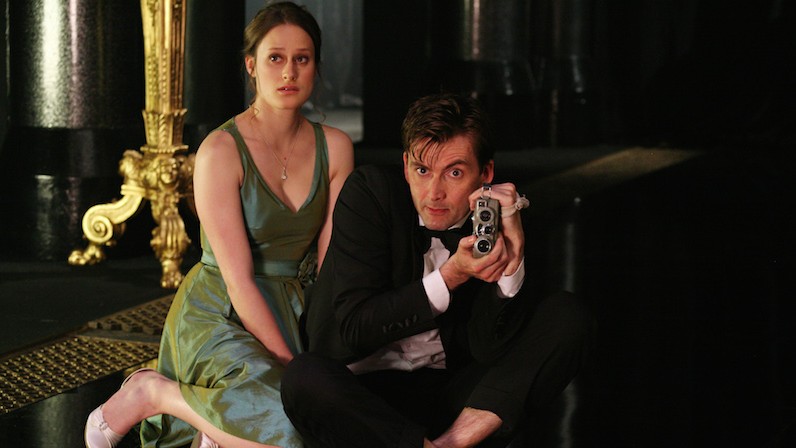
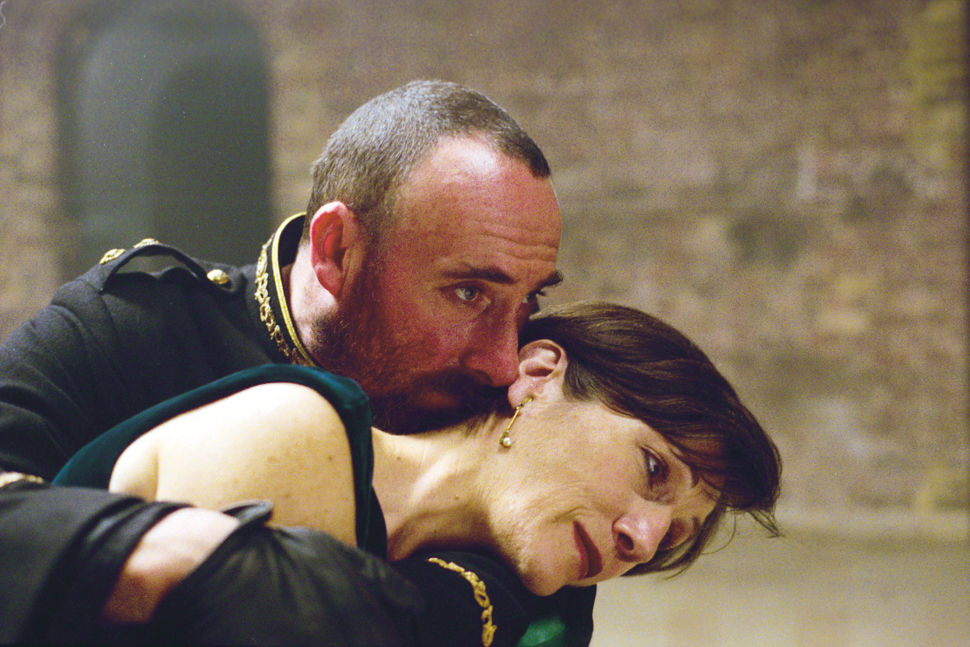
Chapter 6: Now-ness, 2000-18: an engagement with Gregory Doran’s trilogy of BBC films – Macbeth (2001, pictured in the header image with Antony Sher and Harriet Walter), Hamlet (2008) and Julius Caesar (2012) – together with the RSC Live from Stratford-upon-Avon broadcasts, plus a few thoughts about the future.
Each of which I’ll outline in more detail in forthcoming posts…