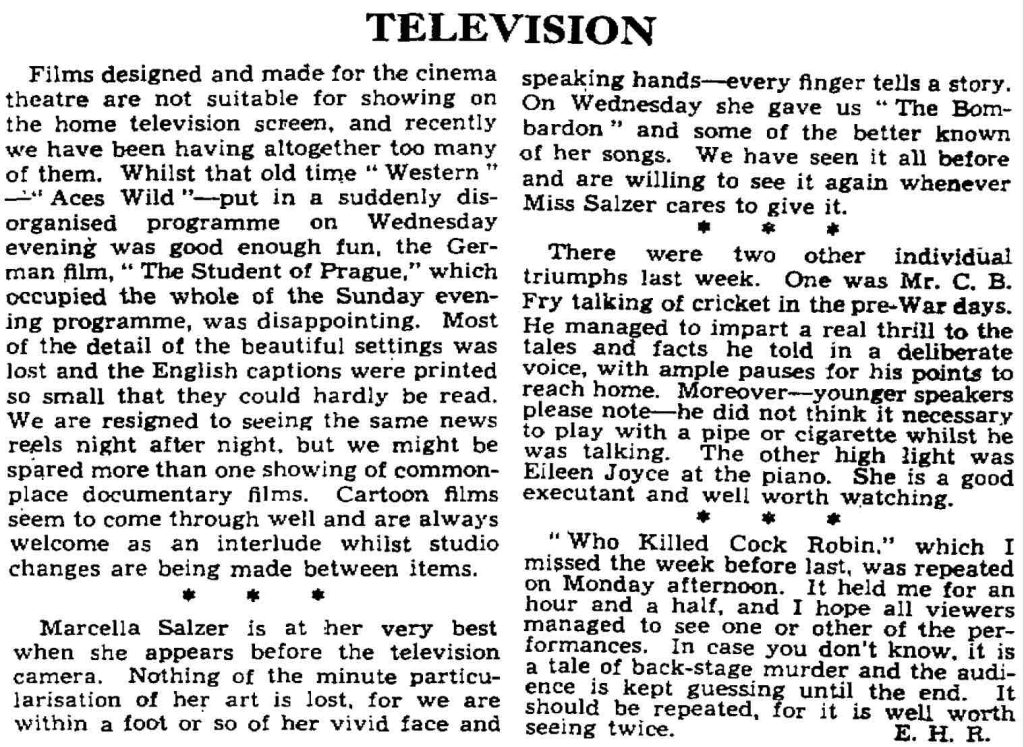
John Wyver writes: In 1938 and 1939 there were only two regular commentators on television’s output from Alexandra Palace. Anonymous writers for The Times contributed reviews, as on occasion did L. Marsland Gander for the Telegraph and Jonah Barrington for the Daily Express. But both of the latter writers were newsmen more than critics, and it was left to Grace Wyndham Goldie in The Listener and ‘E.H.R.’ for the Observer to pen weekly columns of plaudits, brickbats and occasional sustained analysis.
Wyndham Goldie was by far the more intellectual of the pair, and also the tougher, although she could rise to heights of enthusiasm on occasion. E.H.R. was reflective, measured, somewhat superficial and broadly supportive of the new medium. We have read quite a lot of G.W.G in these posts over the past months, and I thought it might be interesting to consider by way of comparison a full column of her Sunday colleague. More or less at random, I have chosen the one published on Sunday 21 August 1938.
John Wyver writes: Somewhat distracted today, so only a very brief and late OTD. The afternoon of Friday 20 August 1937 saw a ‘local OB’ from Alexandra Park titled Sheepdog Trial. Billed as ‘a demonstration of canine intelligence’, the 20-minute broadcast produced by Moultrie Kelsall featured Percy Watson, his four dogs and ten sheep. Like all such ‘local OBs’ this was realised by taking one or more cabled Emitron cameras out of the studio and operating them in the nearby parkland.
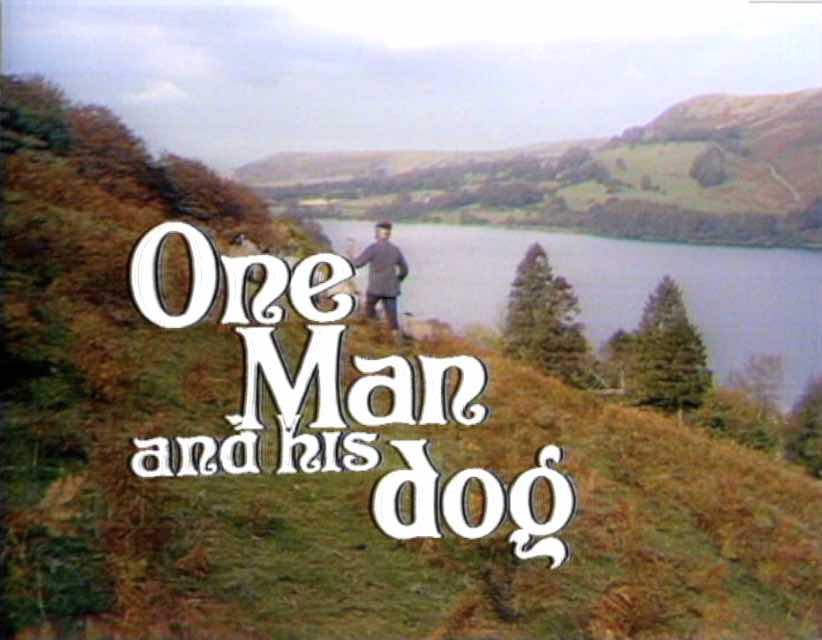
Nearly 40 years later the popular One Man and His Dog, with Phil Drabble, started on BBC2, and ran from February 1976 until it became an annual edition of Countryfile in 2013. The header image is from the title sequence of the 1978 series. File under ‘nothing new’, ‘sun’, etc.
Incidentally, today’s distractions include the campaign against the service changes to access at the BBC’s Written Archives Centre in Caversham. For more on this, and for the chance to add your support to the open letter of concern, please go to https://tinyurl.com/bbcwaccampaign.
[OTD post no. 246; part of a long-running series leading up to the publication on 8 January 2026 of my book Magic Rays of Light: The Early Years of Television in Britain, which can now be pre-ordered from Bloomsbury here.]
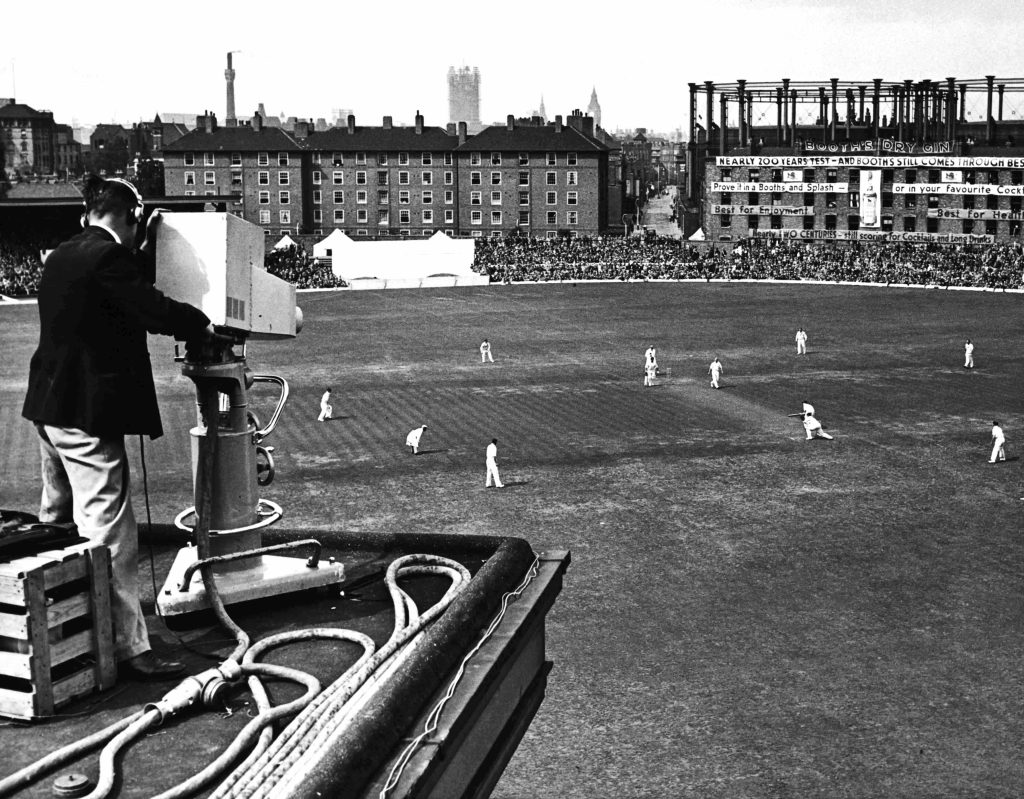
John Wyver writes: On Saturday 19 August 1939, two weeks and a day before the declaration of war, one of the BBC’s OB units was at the Oval for the first day’s play (of just three) in the final Test match between England and the West Indies. Transmissions started with an establishing shot of the iconic gasometers at 11.30am. An hour of play was shown then, followed by a further hour at 2.30pm, and then 35 minutes running up to tea at 4.30pm. The final session ran from 5.30 to stumps an hour later.
Debutant [Tyrell] Johnson took the wicket of Walter Keeton with his first delivery in Test cricket, but Norman Oldfield made 80 on his first appearance for England, and with [Len] Hutton making 73 and [Joe] Hardstaff 94, England were all out for 352 before the end of the first day.
The great Learie Constantine, who would be knighted in 1962 and become the first Black peer in 1969, took 5 England wickets for a tidy 75 runs in just 17.3 overs. In response, on the second day and the morning of the third, West Indies posted an impressive 498, aided by a very fine 137 from Bam Bam Weekes.
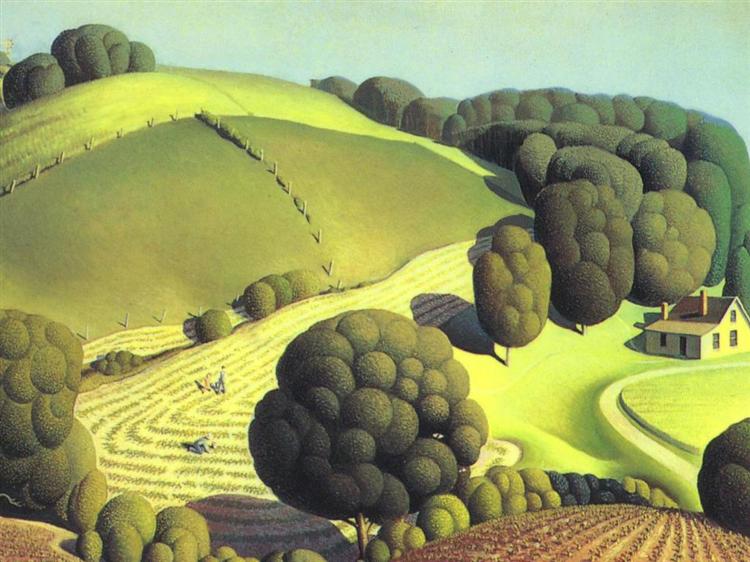
John Wyver writes: Looking back to the programmes of August 1939 you can’t escape the sense of the impending war, now (as it were) little more than a fortnight away. And yet AP copntinued to turn out intriguing transmissions, including the early arts broadcast American Painting on the evening of Friday 18.
This 22-minute programme, produced by Andrew Miller Jones, was introduced by British art historian and museum director William George Constable, who since the previous year had been curator of painting at Boston’s Museum of Fine Arts. Constable had studied at the Slade just after the First World War, in which he had been badly injured, and worked at the Wallace Collection, National Gallery and then as the first director of the Courtauld Institute of Art.
The selected artworks, which would have been shown as black and white photographs, were described by poet and critic Geoffrey Grigson, and editor at the time of the influential magazine New Verse. Immediately after the coming war, he was to found London’s Institute of Contemporary Arts with, among others, Herbert Read and Roland Penrose.
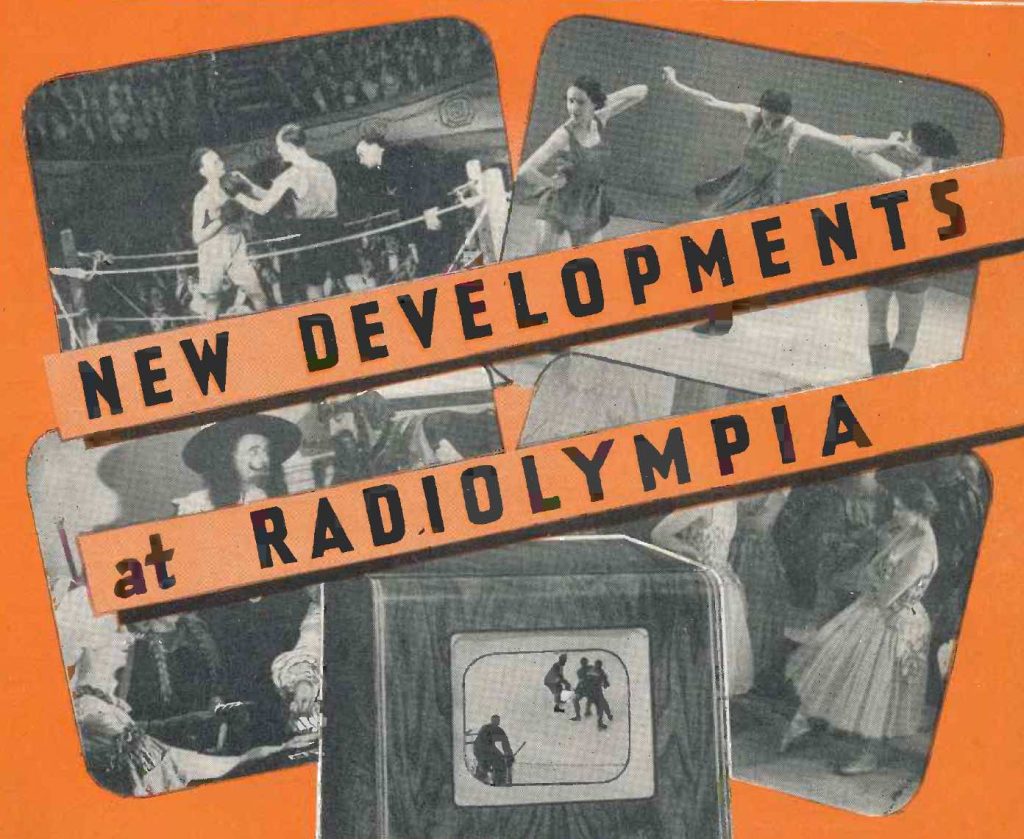
John Wyver writes: ‘Television set for £23’, promised a 17 August 1939 Daily Telegraph article penned by the paper’s well-informed radio correspondent L. Marsland Gander. He was writing ten days ahead of the popular trade fair Radiolympia which attracted thousands of listeners and lookers-in as well as those professionally involved with the broadcast industry.
Radiolympia the previous year had been an important moment for television, with blanket broadcasting from the Olympia exhibition halls followed by a significant uptake in sales. Gander was positive about the attractions for 1939, but awareness of the ever-more-likely declaration of war (which would cause the fair to shut early) is indicated by his note that at the forthcoming show, ‘the Navy, Army and Air Force have their own exhibits for the first time.’
John Wyver writes: After a three week break. a full schedule began again from AP on the afternoon of Monday 16 August 1937. Two afternoons of Davis Cup tennis and some test broadcasts had been the only offering for lookers-in during the ‘holiday’. Andrew Martin provides the background to this in his 2017 blog post:
The service was still in its infancy, and engineers at Alexandra Palace needed to carry out maintenance on equipment which they were still working out how to use… It was decided to take the single studio (Studio A) then in use out of service for a few weeks. The break also saw the end of the Radio Times Television Supplement, which was glossy, lavishly illustrated and expensive to produce; indeed there were no television listings at all in the magazine during the three weeks.
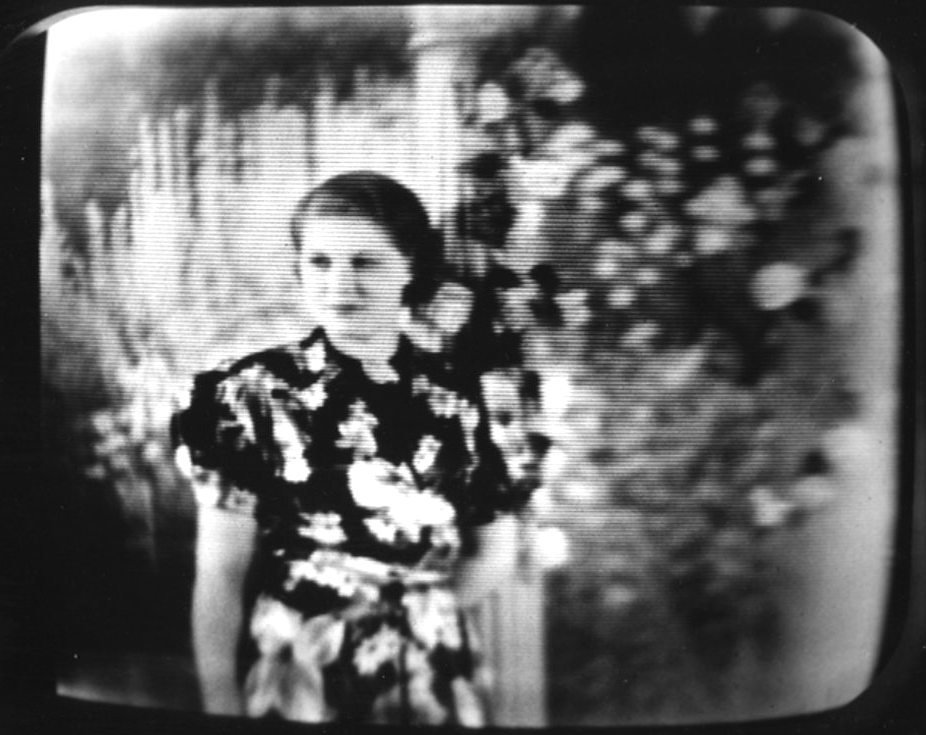
At 3pm on the Monday afternoon announcer Jasmine Bligh, pictured below in a BBC photograph taken off-screen in August 1937, welcomed back viewers to a schedule that began with an edition of Gaumont-British News.
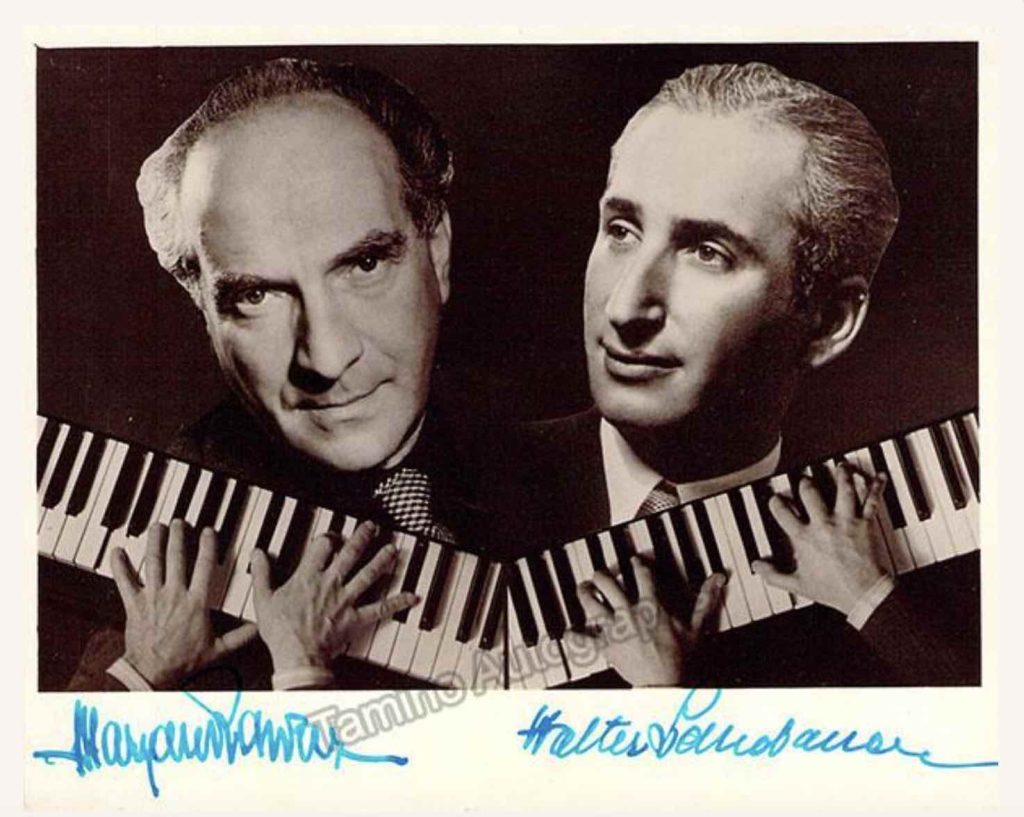
John Wyver writes: Late on the evening of Monday 15 August 1938 (well, late for AP, in fact 10.12pm), Marjan Rawicz and Walter Landauer gave a short recital on two pianos. They were also studio guests the following afternoon, presumably because once the crew had brought in two concert grands for the cameras, AP was keen to derive the most value from them. Their programme both times was composed of Frank Churchill’s compositions from the soundtrack of the previous year’s Disney animation Snow White and the Seven Dwarfs.
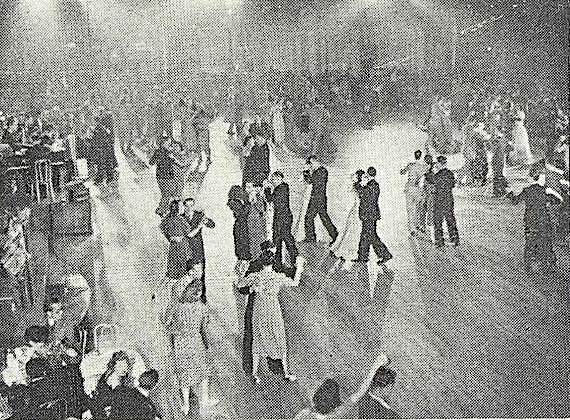
John Wyver writes: Late evening on Monday 15 August 1939 saw a mobile control unit in Hammersmith for an hour-long outside broadcast from the Palais. Viewers saw dancing including the ‘Palais Glide’, ‘Big Apple’, , ‘Jitter Bug’, and ‘Boops-a-Daisy’, as well as a crooning competition. Leslie Mitchell was the commentator and the music was courtesy of Oscar Rabin and his Band.
Our essential guide to pre-war television, Grace Wyndham Goldie writing in the Listener, included the broadcast in a state-of-the-art article about television at the end of the third year of the 405-line service:
There can, I think, be no doubt that the technical achievements of television production are far outstripping any advance in the quality of the programmes. Just consider the progress of the last twelve months. Where has it been? Why, in camera handling, lighting, scenic-designing, costuming and make-up (though not perhaps in wigging), grouping and setting and every kind of detail of method.
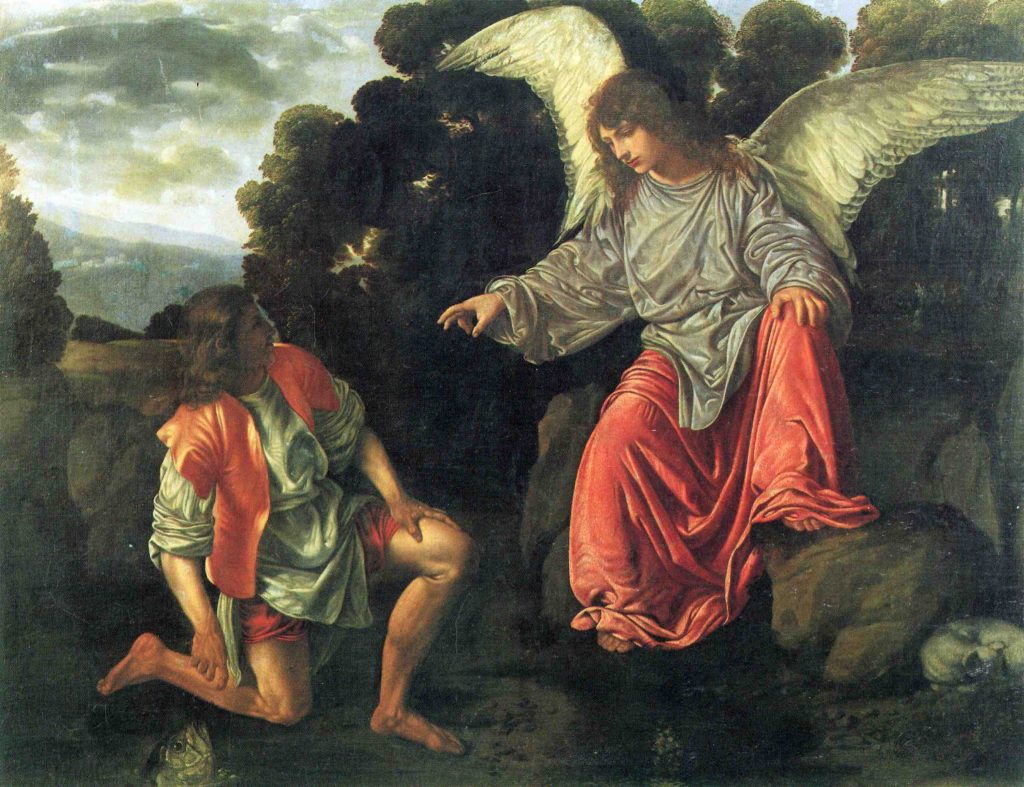
John Wyver writes: The evening schedule of Sunday 13 August 1939, with the war little more than a fortnight away, was taken up with a production of James Bridie’s fantasy Tobias the Angel. Frank Napier’s production for the Regent’s Park Open Air theatre was transplanted by George More O’Ferrall to the AP studio, with Leslie French as Tobias and Robert Eddison as the Archangel Gabriel.
The plot of Bridie’s 1930 comedy, according to Concord Theatricals, is as follows:
Tobias is the son of Tobit, a blind old Jewish beggar who lives in a hovel in Nineveh with his wife Anna. The disguised archangel Raphael, who has been hospitably received by Tobit, volunteers to accompany Tobias on a journey to Media.
They stop in Ecbatana at the home of Sarah, whom Tobias marries despite a warning that seven previous bridegrooms were murdered by the demon Asmoday (Asmodeus). After driving off this menace, Raphael escorts the couple to Nineveh, where he cures Tobit’s blindness. Raphael then reveals himself as the mighty Archangel and disappears.
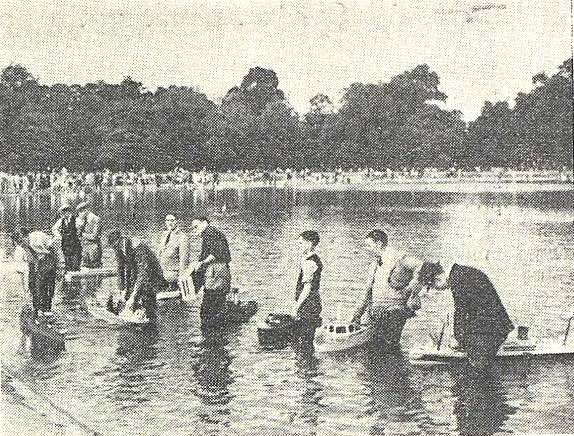
John Wyver writes: The afternoon of Saturday 12 August 1939, three weeks before the declaration of war, saw one of the BBC’s mobile control units in Kensington Gardens for a leisurely hour-long outside broadcast from the edges of the Round Pond. Four commentators – Elizabeth Cowell, Edward Halliday, J.C. Smith and H.B. Tucker – were on hand to talk to model aeroplane and boat enthusiasts, as well as those fishing for tiddlers.
The broadcast prompted one of Grace Wyndham Goldie’s finest Listener columns, which I reproduce here in full:
Last Saturday, we had a highly amusing programme about Kensington Gardens. It was one of those valuable experiments in actuality, Television Surveys. lt began with a ‘close shot ‘ of Mr Halliday who was telling Miss Cowell about Kensington Palace. The gardens, he said, were permeated (for him) with the spirit of Queen Victoria; the southern Wren front was better architecturally than the eastern Kent front; and so on. Miss Cowell appeared enthralled. And then, taking his arm, began to stroll forwards.