25th December 2024
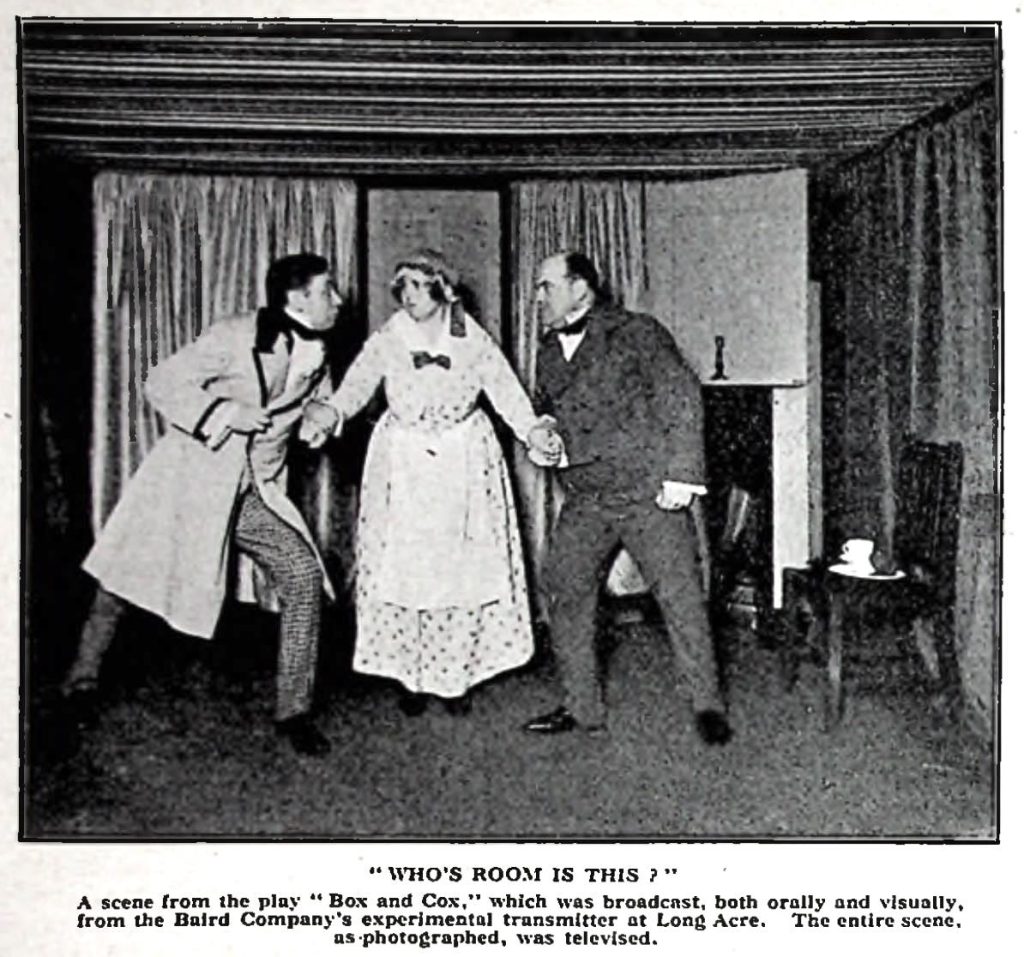
John Wyver writes: for a month now, I have been writing more or less daily blog posts about pre-war British television, linking each one to a programme or event that took place on the same in one of the years between 1928 and 1938 (although we’ll get to 1939 soon).
These come from fragments of my research towards my forthcoming book, Magic Rays of Light: British Television between the Wars. For the next four holiday days, I thought we’d take a break and, for those who missed them, offer up the collected links again, this time in chronological order. On some of the posts I’ve also added additional information in the Comments.
read more »
24th December 2024
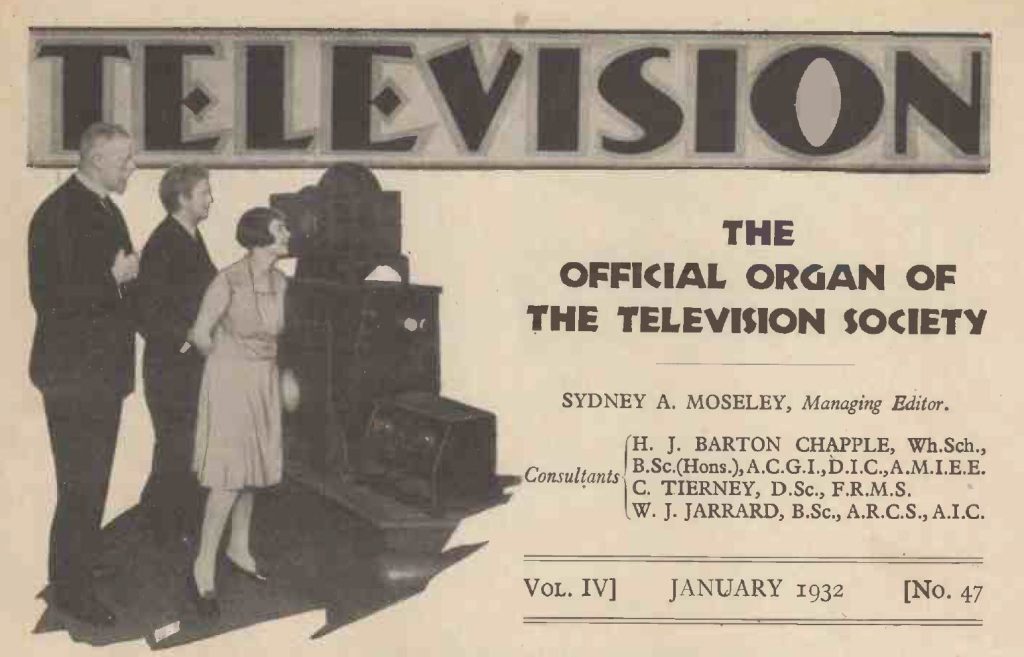
John Wyver writes: for whatever reason, pre-war television on Christmas Eve was largely unremarkable, although the Baird Company’s 30-line broadcast on 24 December 1931 appears to have been the first to be described in the billings as ‘A Christmas programme’.
Frustratingly, the January 1932 issue of Television (the masthead of which is above) contains no mention of the transmission, and so we have no sense of the mixed bill delivered by Nat Lewis as Joey the Clown, pantomime cartoons drawn by Rupert Harvey (who would become a regular contributor), and Eve Fulton and Varna Glendstrom as Columbine and Harlequin.
read more »
23rd December 2024
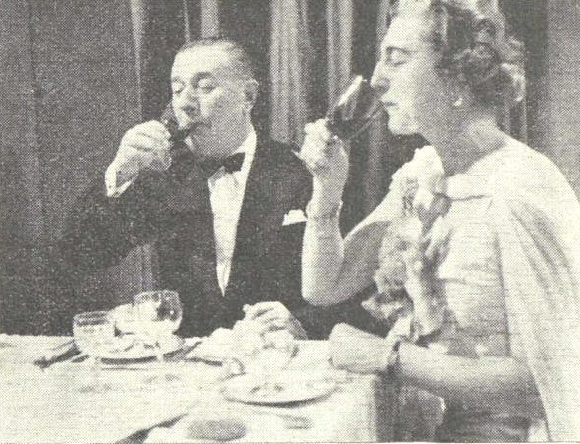
John Wyver writes: spoiled for the eve of Christmas Eve choice today, I think we might attempt a double-header, celebrating Polite Wine Drinking (above) on this day in 1937, and then The Director of Television in the Witness Box, shown on Friday 23 December 1938. The former was a component of Alexandra Palace’s aspirational lifestyle propgramming that also featured bridge, ballroom dancing and tennis lessons. The format was simplicity itself: sat at a dinner table chef Marcel Boulestin mansplained wine in an off-the-cuff manner to Nesta Sawyer.
read more »
22nd December 2024

John Wyver writes: Welcome to a selection of articles and more that have especially engaged me over the past week and more. I hope the coming week is a good one for all – Happy Holidays!
• Sleeping women: because it is content is so graphic and disturbing, I hesitated, although only for a moment, over whether to include Sophie Smith’s LRB essay focussed on Gisèle Pelicot [£, limited free access]. Concerned with both the trial and its far wider resonances, this is easily among the most powerful and essential prose that I’ve read this year.
read more »
22nd December 2024
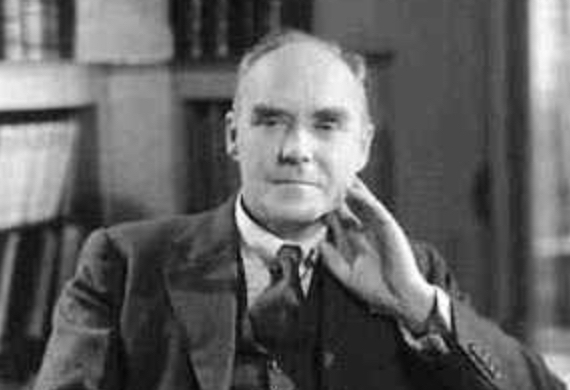
John Wyver writes: the afternoon of Tuesday 22 December 1936 saw a 14-minute lecture by Yarrow Research Professor to the Royal Society G.I. Taylor (above) about the stabilisation of ships and why they roll in a rough sea. This was the first televised Royal Institution lecture for children, a television tradition that continues this year with three lectures by Chris van Tulleken on BBC Four and Youtube.
read more »
21st December 2024
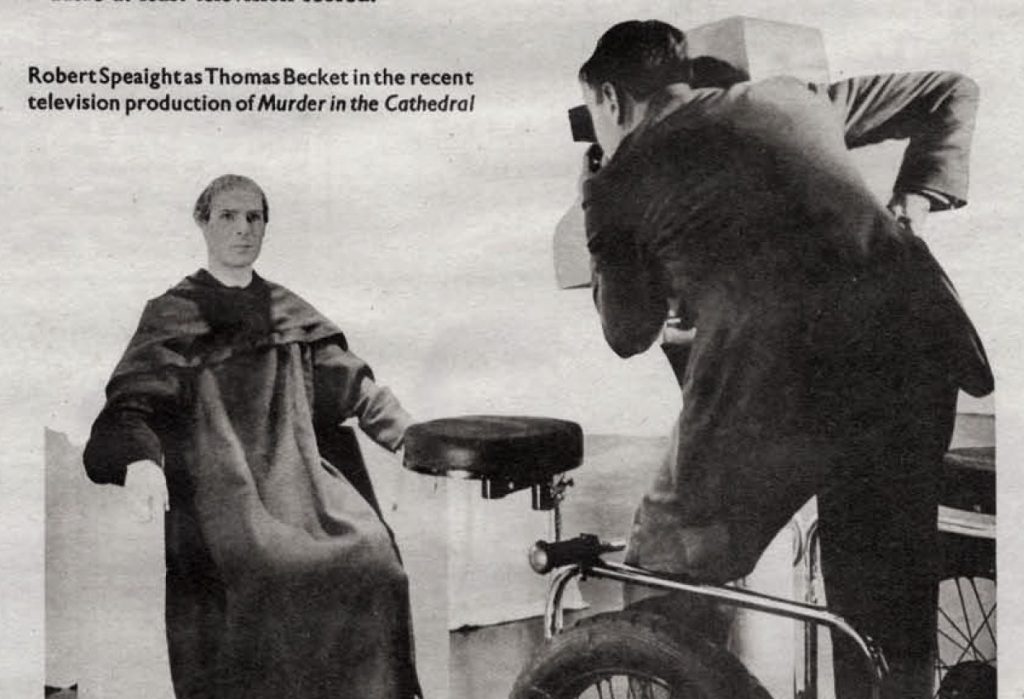
John Wyver writes: On the evening of Monday 21 December 1936 extracts from from the current stage production T.S. Eliot’s religious drama Murder in the Cathedral were played for a third time at Alexandra Palace. Despite having to work within the significant technical constraints of the Baird company technology, producer George More O’Ferrall was felt to have achieved a polished and innovative live broadcast. But it is one reception context that makes this transmission notable, for it was watched on this day by some three hundred luminaries of stage and screen in the auditorium of the West End theatre where the production was currently running.
read more »
20th December 2024
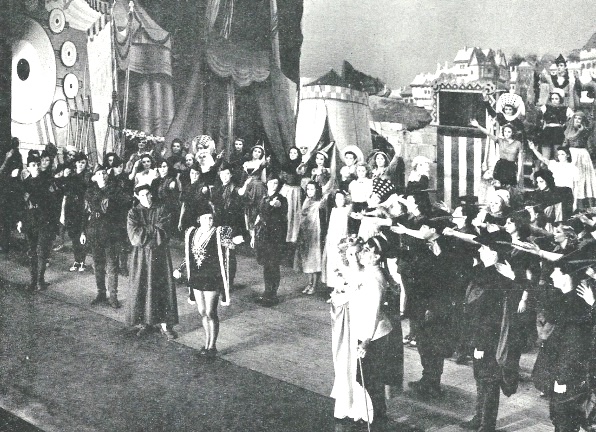
John Wyver writes: The evening line-up from Alexandra Palace on Tuesday 20 December 1938 featured a News Map talk about Poland, a concert by Eric Wild and his Band, and what was billed as Tactile Bee, in which blindfolded celebs of the day, including John Betjeman and Secrets of Life filmmaker Mary Field, identified objects by touch. Just before 10.30pm an unscheduled 11-minute outside broadcast took the viewer to the Theatre Royal, Drury Lane for a preview of the following day’s broadcast of ‘King of Pantomime’ Tom Arnold’s spectacular Babes in the Wood (above).
read more »
19th December 2024
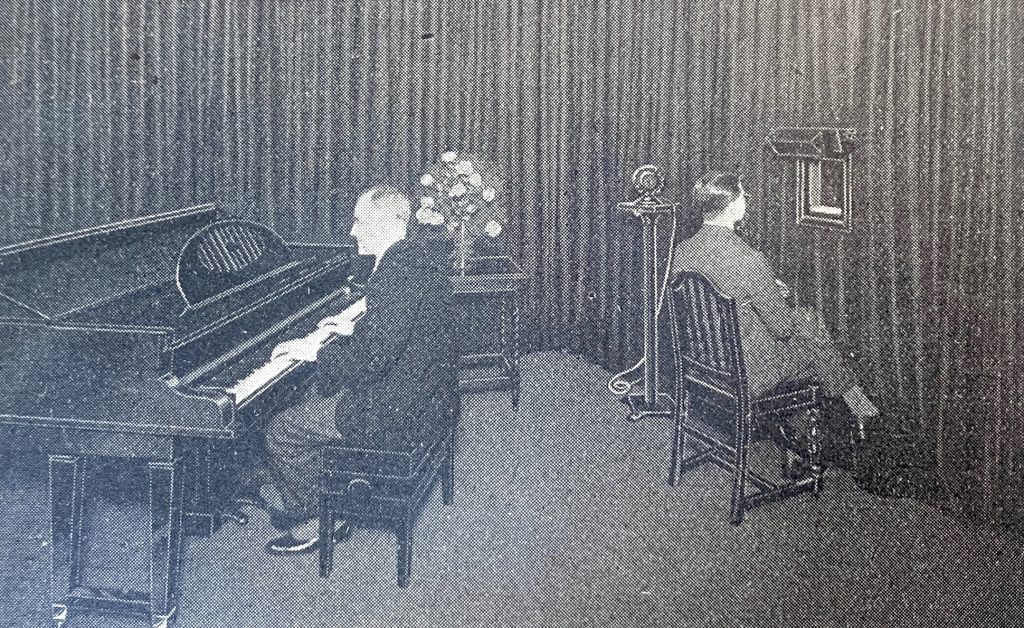
John Wyver writes: Wednesday 19 December 1928 saw one of the earliest documented trasnmissions from the new studio (above, from Television, December 1928) of the Baird Television Development Corporation at 133 Long Acre in London’s Covent Garden. Four days after the broadcast from there of Box and Cox, highlighted in an earlier post, The Baird Concert Party offered ‘songs and patter’ from A.F. (‘Peter’) Birch, who is on the right in the photograph, and performances from baritone A. Calkin and comedian Reginald Shaw, with piano contributions from Constance (‘Connie’) King and Philip Hobson.
read more »
18th December 2024
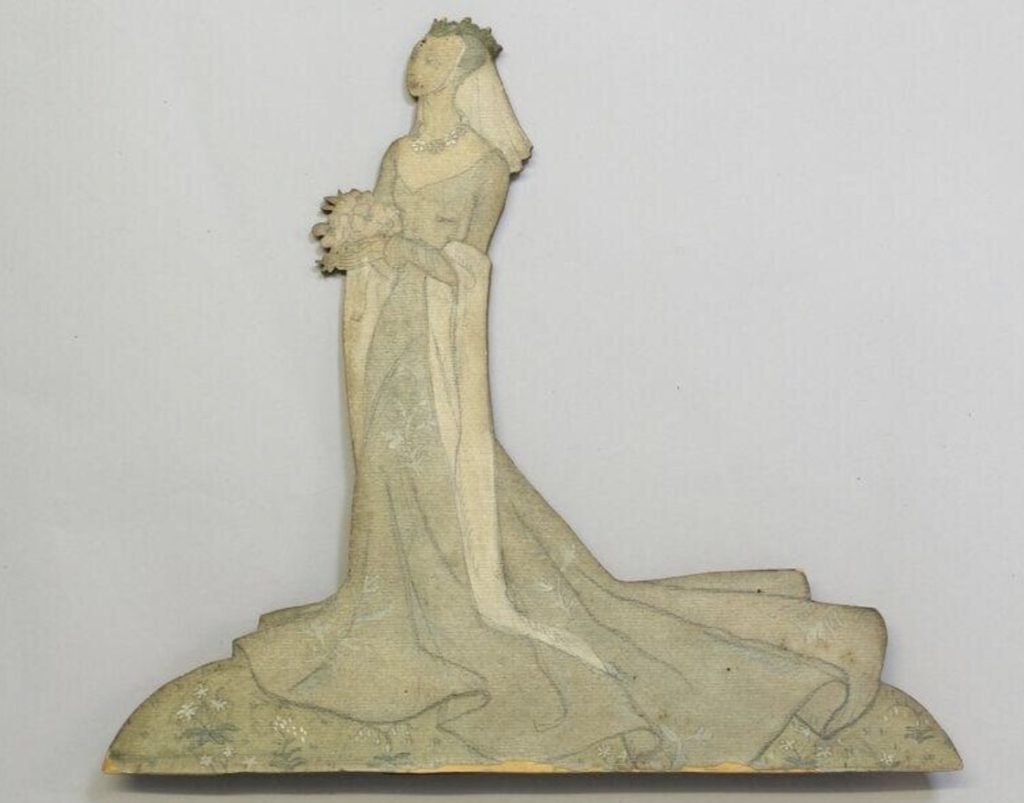
John Wyver writes: There was a sense of increasing confidence at Alexandra Palace at the end of 1938, with sales of receivers finally picking up and programmes becoming both more ambitious and more polished. This was reflected in announcements for a clutch of major drama productions over the Christmas period, including Noel Coward’s Hay Fever on Christmas night, an Edgar Wallace thriller, The Ringer, a re-run of Once in a Lifetime, and on the evening of Sunday 18 December, Gordon Daviot’s Richard of Bordeaux. (The image is a souvenir made by Motley of the original stage production in 1933, from the collection of the V&A; for more see below.)
read more »
17th December 2024
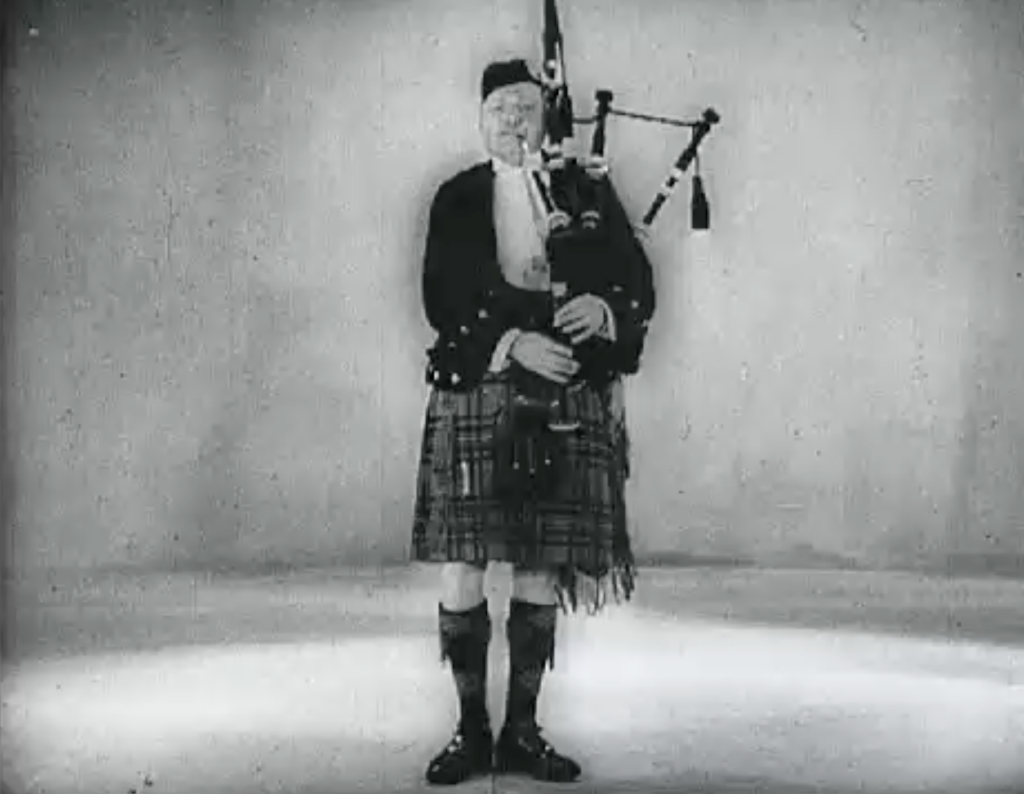
John Wyver writes: Thursday 17 December 1936 saw an edition of one of the first television series, London Characters. In a 7-minute broadcast shown both mid-afternoon and mid-evening, John Snuggs, ‘the troubadour’, demonstrated paper tearing with his partner accordionist, Van Hornibrook. Others who featured in this occasional and ultimately short-lived strand (there were just five shows) included ex-Pipe Major Massie, ‘the bagpipes man from Trafalgar Square (pictured, in a framegrab from the BBC Television Demonstration Film); John Cairns, street busker; Hansom cabman Albert Frisbee; Alf the shrimper; and Jack Smith, tomato seller.
read more »