3rd January 2025
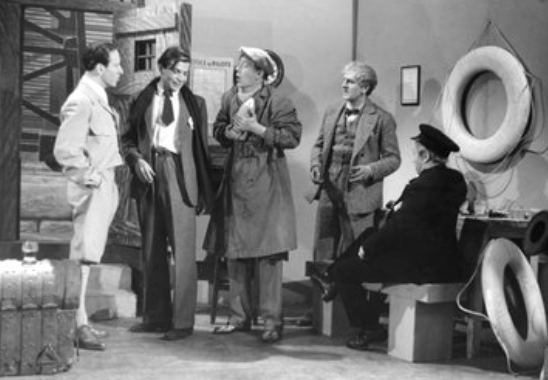
John Wyver writes: the evening of Tuesday 3 January 1939 saw a studio repeat presentation of Denis Johnston‘s contemporary comedy The Moon in the Yellow River, produced for the cameras by the author himself. The satire had been first staged, amidst some controversy, at Dublin’s Abbey Theatre in April 1931.
Since Johnston, a former lawyer, had now moved from the BBC Belfast station to AP, he was able to rework for the new medium what The Times called ‘one of the most remarkable plays that has come out of post-War Ireland’ [since the 1922-23 Irish Civil War, that is].
read more »
2nd January 2025
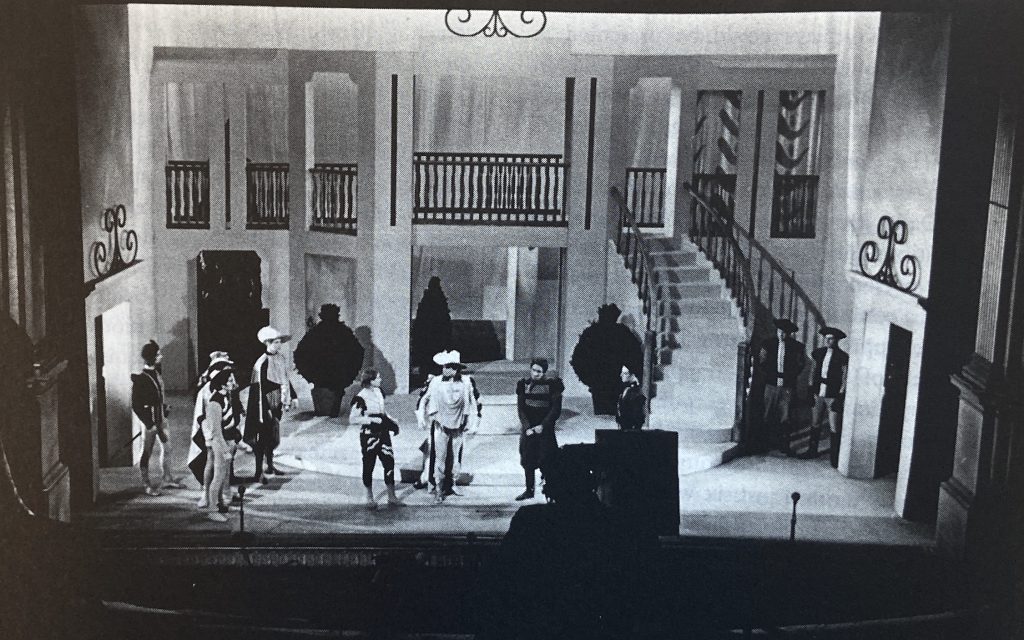
John Wyver writes: ‘ls the ‘straight from the theatre’ stuff going to be satisfactory?’ That was the question Grace Wyndham Goldie posed following the live broadcast of Twelfth Night from the Phoenix Theatre (above) on the evening of 2 January 1939. ‘It is certainly exciting,’ the critic acknowledged. ‘I sat in my own sitting room the other night… [a]nd the miracle of television came home to me afresh. There was the actual feeling of being in a theatre.’ But did you enjoy the play, Ms Goldie? ‘Well, it was rather like being in the theatre and watching the entire action through opera glasses.’
read more »
1st January 2025
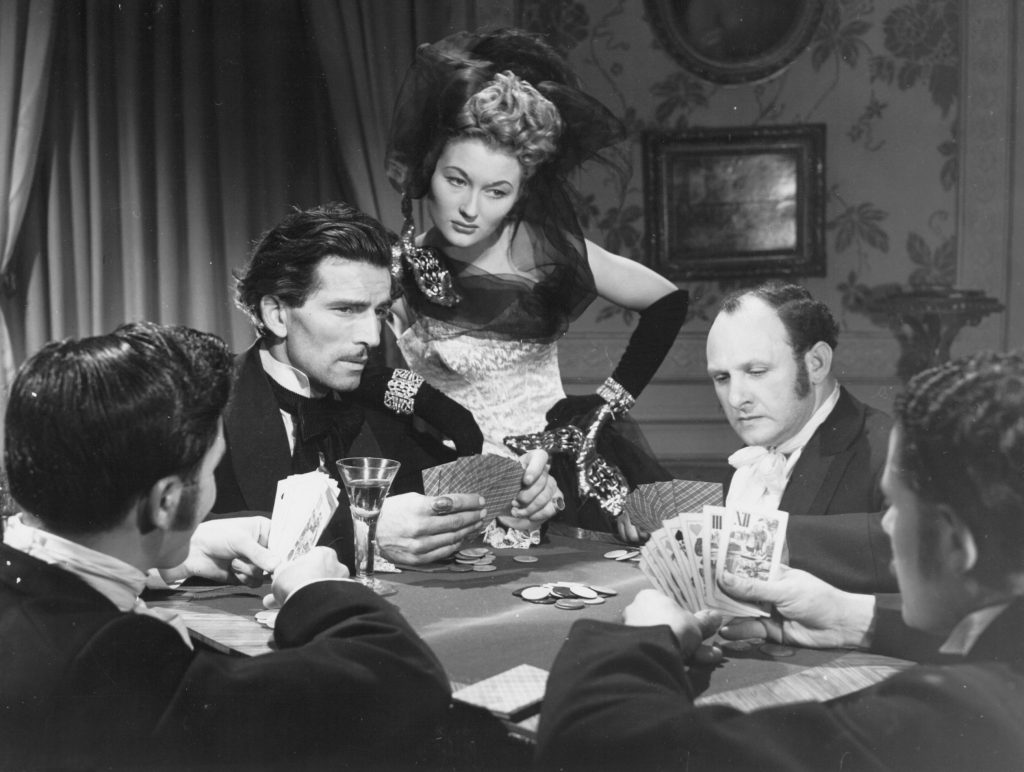
John Wyver writes: a heavy between times cold prevented a posting last Sunday, and travel to Italy (more on that to come) may interfere with one for next (although I’m aiming still to keep up the early television OTDs), so here’s a selection at the end of the holidays, drawing together as usual stuff (and avoiding politics) that has intrigued and interested me recently.
• Britain’s first blonde bombshell: celebrating the centenary of Christine Norden: a lovely short BFI tribute by Jo Botting to a leading femme fatale of post-war British cinema; above, Norden as Cora Pearl in Idol of Paris, 1948.
read more »
1st January 2025
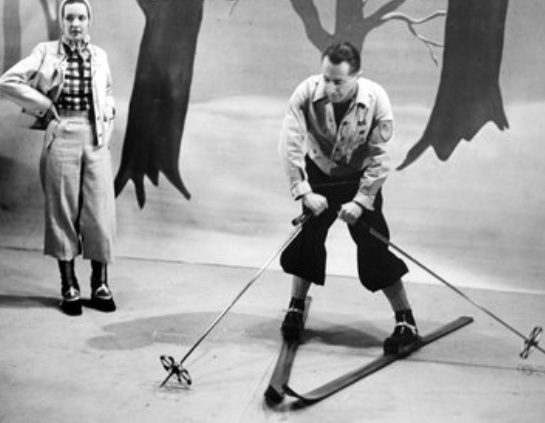
John Wyver writes: In keeping with the aspirational tenor of Alexandra Palace’s lifestyle programming for its professional middle-class viewers, each winter there was at least one studio broadcast for those looking forward to, or dreaming about, a ski-ing holiday across the channel. In 1939 New Year’s Day offered up Snow and Ice, while a year earlier, on 30 December 1937, the schedules were graced by the unfortunately titled Ski Heil (above).
read more »
31st December 2024
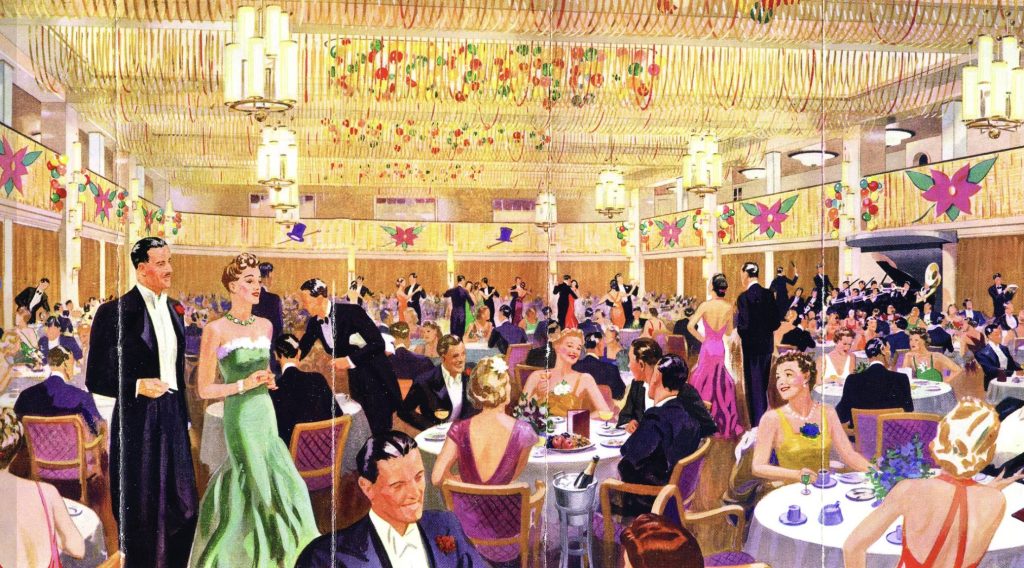
John Wyver writes: New Year’s Eve 1938 saw one of BBC Television’s two outside broadcast units parked round the corner from Grosvenor House on London’s Park Lane. For 35 minutes from 11.30pm, from the swanky ballroom there Leslie Mitchell hosted a broadcast billed as Seeing the New Year In! A pair of press accounts suggest that a good time was had by all those present, apart perhaps from the camera operators marooned amidst a sea of partying swells.
read more »
30th December 2024
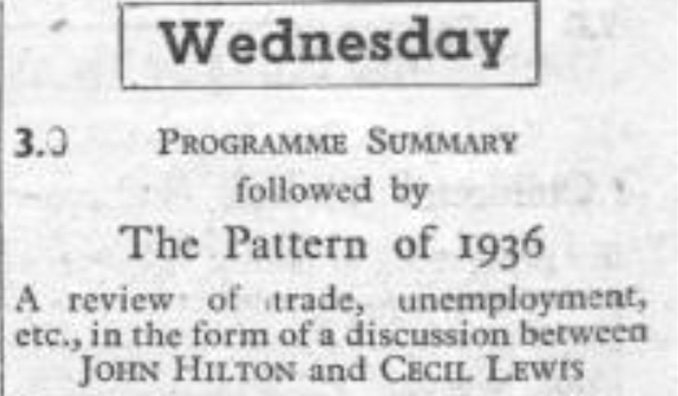
John Wyver writes: The conventional forms of conventional politics on television are absent from the pre-war Alexandra Palace service. There was no television news, and Panorama, the first regular current affairs magazine show would not debut until 1953. But there were the newsreels, political figures gave bland interviews to appeared on Picture Page, and there were occasional state-of-the-nation talks, including The Pattern of 1936, given on Wednesday 30 December 1936 by Professor John Hilton.
read more »
29th December 2024
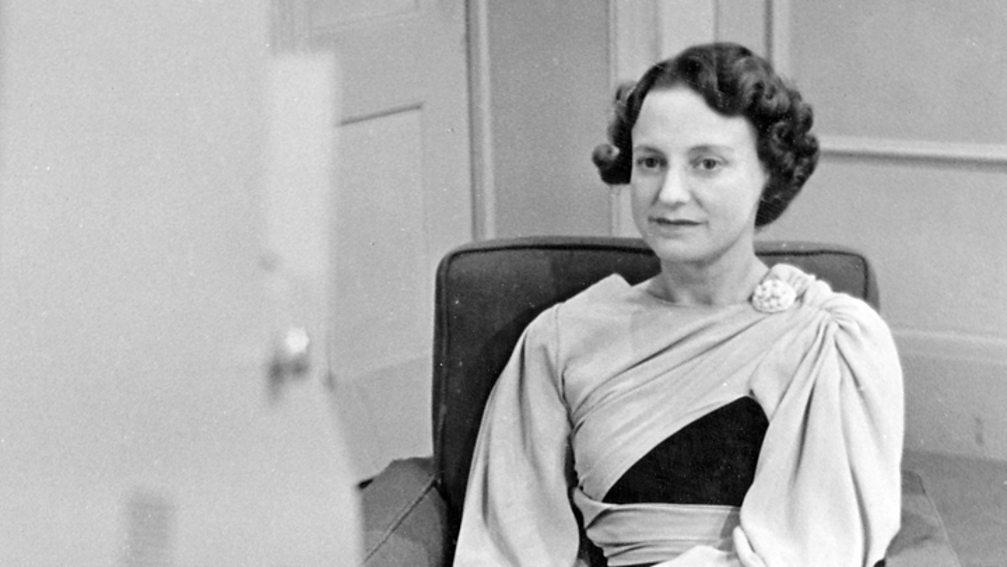
John Wyver writes: ‘Are you wondering whether to get a television set or not?,’ critic Grace Wyndham Goldie (above, c. 1937) asked in her Listener review-of-the-year column dated Thursday 29 December 1938. ‘Then let me assure you,’ she continued, ‘that plays are staggeringly successful on the television.’ Taking off from Wyndham Goldie’s round-up, I intend with this post to (start to) celebrate her rich and remarkable writings about pre-war television. Towards the end, I also want to share a mystery and to ask for help in solving it.
read more »
28th December 2024
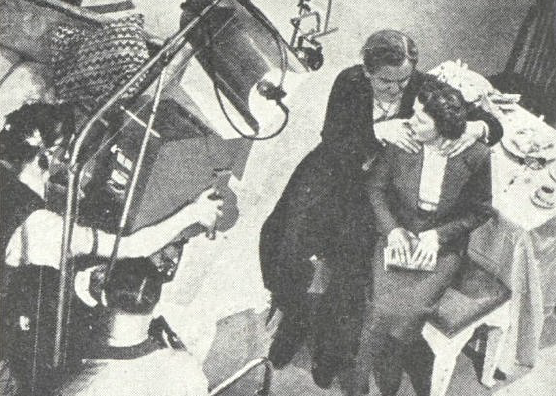
John Wyver writes: the fourth reprise selection, presented in chronological order, for my blog posts over the past month highlighting some of the research for my forthcoming book about British television between the war, Magic Rays of Light. The first is here, the second here, and yesterday’s is here; normal service will be reszumed tomorrow.
read more »
27th December 2024
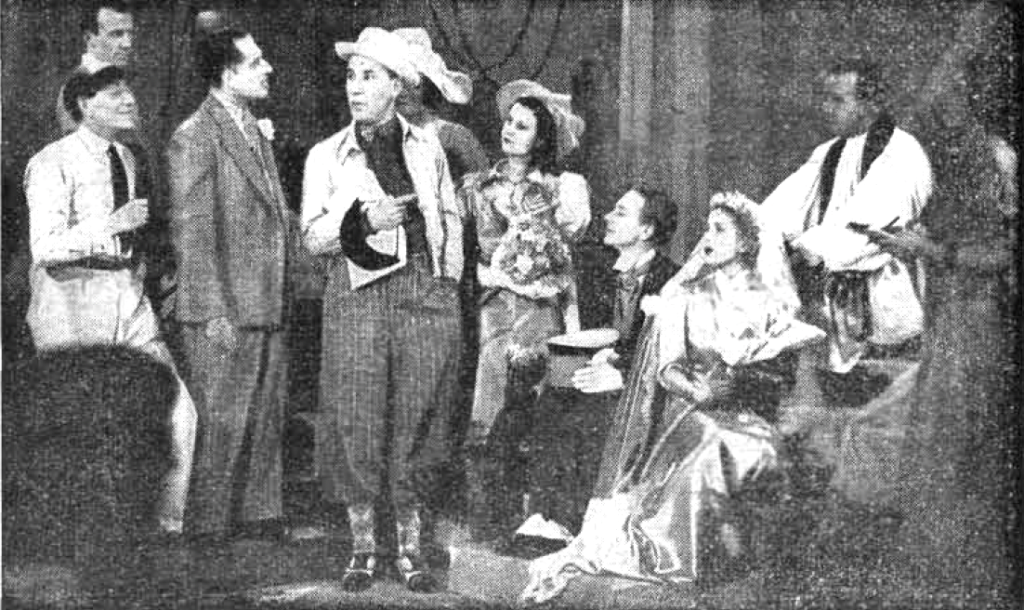
John Wyver writes: here’s the third holiday round-up of blog posts from the past month that I have written as preparation for the publication of my book, Magic Rays of Light: British Television between the Wars. The first collection is here, the second here, and one more will follow on Saturday, before normal service is resumed on Sunday.
read more »
26th December 2024
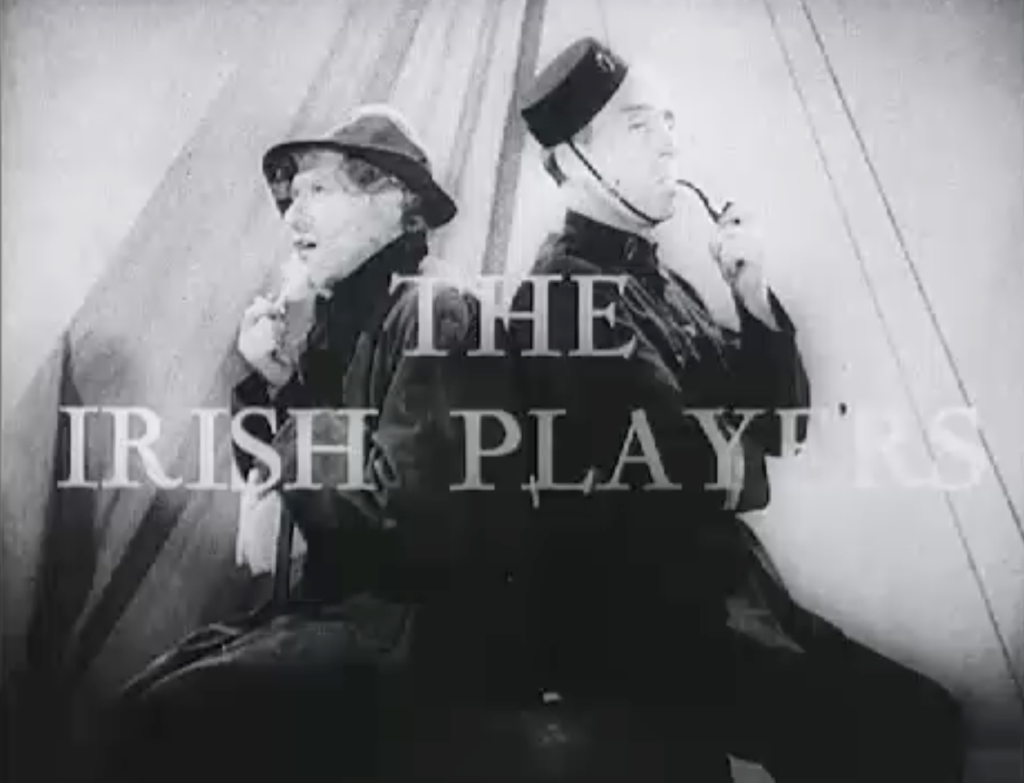
John Wyver writes: here’s a second holiday round-up of blog posts from the past month that I have written as preparation for the publication of my book, Magic Rays of Light: British Television between the Wars. The first collection is here, and two further ones will follow on Friday and Saturday, before normal service is resumed on Sunday.
read more »