20th August 2016
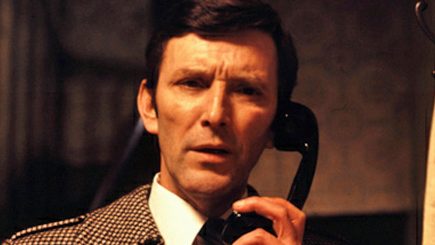
I continue to lament that journalistic criticism about television in Britain today remains, with a few honourable exceptions, pretty poor. But if you know where to look, there is much rich writing about the medium’s history – and I thought today I would simply highlight a handful of recent contributions to two key web sites. My first link, however, is distinct from these, being a piece marking the passing of a major television drama producer who was particularly influential in the 1970s and ’80s. read more »
19th August 2016
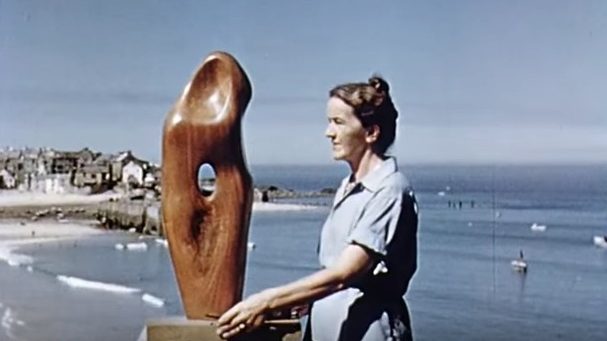
So for those of you who have even just a passing interest in films about the arts, this is GREAT. The online service BFIPlayer today launches The Arts on Film, a collection of more than a hundred feature films and documentaries about painting and sculpture (mostly) but also photography, poetry and performance. Included are movies like Derek Jarman’s Caravaggio, 1986, and Mike Leigh’s Mr Turner, 2014, but many of the offerings are comparatively obscure archival treasures. Some were co-funded by the Arts Council of Great Britain while others come from regional collections as well as the BFI’s own National Archive.
My only disappointment is that a fair few of them are only extracts from longer films that are not on offer. Even so, I’ve spent my whole professional life watching and writing about arts films and there is a good number here that I’ve never seen – and a few I have never even heard of. And while many are available on a pay-per-view basis, or via a monthly subscription of £4.99, a generous selection is absolutely free to view. read more »
18th August 2016
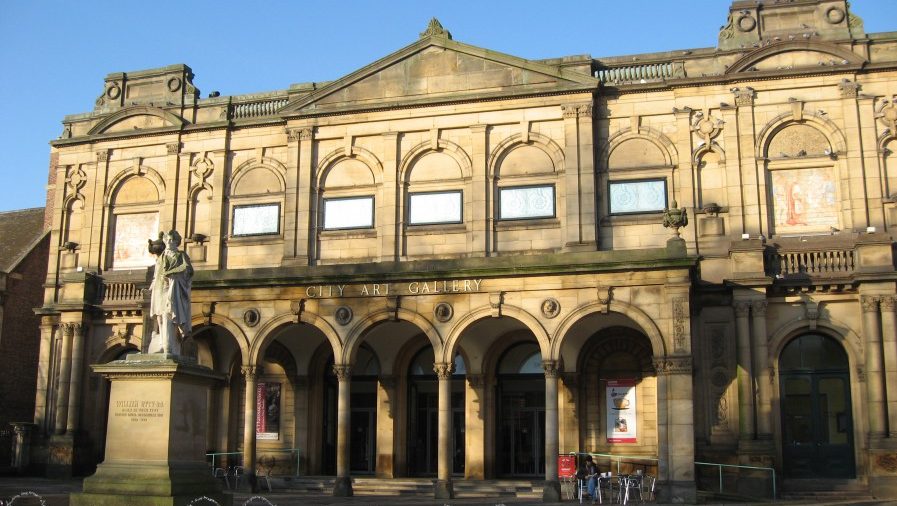
To York, where I find two hours to spend in the recently refurbished York Art Gallery. My appreciation of museums and galleries outside London has been greatly enhanced by reading Giles Waterfield’s The People’s Galleries: Art Museums and Exhibitions in Britain, 1800-1914. Published last year by Yale University Press, this really is a richly interesting read – and with many wonderful illustrations.
Opened in 1892, in a building originally intended for the Yorkshire Fine Art and Industrial Exhibition of 1879, York Art Gallery was – like many other late 19th century institutions – the product of civic pride, Victorian philanthropy and a desire to educate the emerging urban working-class. As can be seen below, the structure of the building was of modern iron and glass but its frontage, above, had to reflect tasteful ‘true architecture’ and consequently was composed in Italian Renaissance style. Today, York Art Gallery is home to the Centre of Ceramic Art (CoCA), as well as exhibiting a fine permanent collection of paintings and hosting temporary exhibitions. And in reverse order, each of these aspects of its activities offers compelling reasons for a visit.
 read more »
17th August 2016
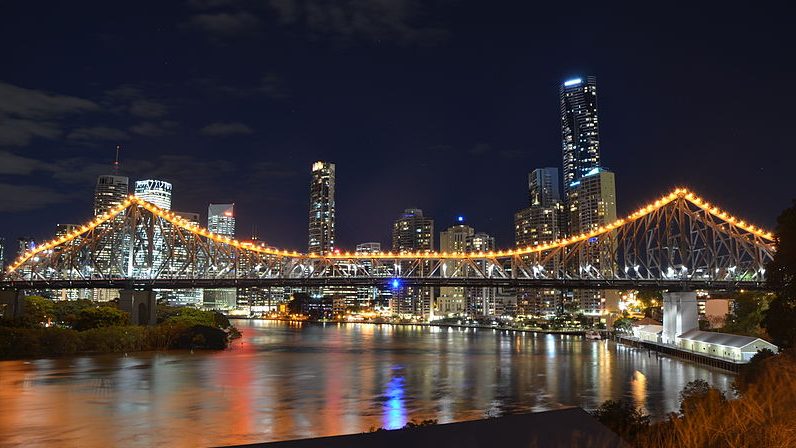
In just over a fortnight I jet off to Brisbane for a week to take up the Lloyd Davis Memorial Fellowship at the University of Queensland. I’m honoured by the invitation and very much looking forward to visiting a city I’ve not visited previously. Tips about what to see and where to eat and drink will be gratefully received. And you can expect a post or two from down under while I’m there. (The image above is of downtown Brisbane and Storey Bridge from New Farm; photo: Lachlan Fearnley via Wikimedia.) read more »
16th August 2016
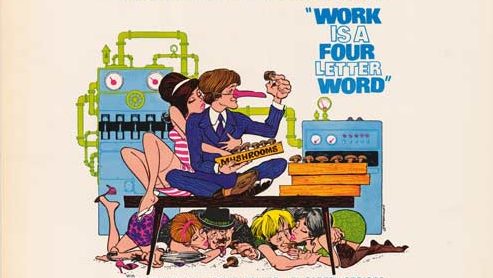
Have I mentioned that I’m writing a book about screen adaptations of Royal Shakespeare Company productions? It’s due out from Arden in 2018 and I have to deliver the manuscript at the end of next year. So as my editor will be pleased to hear I’m busy researching away. One of the first things to establish – and that I foolishly thought I had pinned down in the proposal at the start of this year – is a definitive list of which films and television programmes have been made from RSC stagings. But this is proving trickier to compile than I expected. There are inevitable problems about deciding quite what is or is not an adaptation. What I hadn’t foreseen, however, is that screen versions previously unknown to me keep coming to light. Of which the latest is the 1968 Peter Hall-directed feature film Work is a Four Letter Word that began life on the RSC stage in 1964 as Henry Livings’ play Eh? read more »
15th August 2016
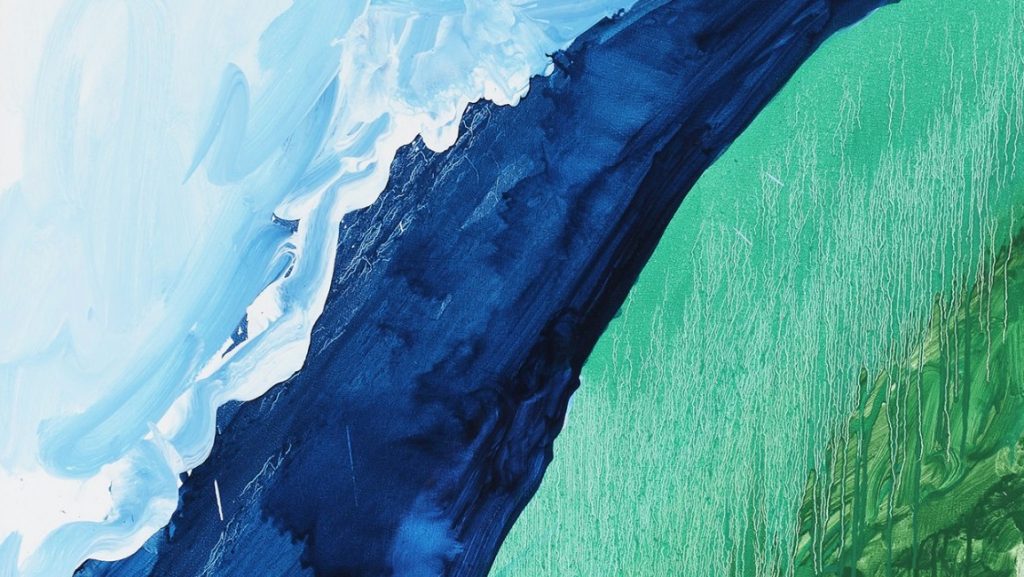
You have just six days left to visit the most beautiful exhibition I’ve seen all year: Mary Heilmann: Looking at Pictures at the Whitechapel Gallery, which closes next Sunday. And if you can’t get there, take at look at the Art21 DVD titled Fantasy that features the artist – and that you can purchase from us here.
I recognise I haven’t been to nearly as many exhibitions recently as I would have liked. Nor have I seen too many movies, read the books that I should have – or indeed written the blog posts that I intended. Blame Richard III, article deadlines, prep for the next two RSC Live from Stratford-upon-Avon shows, or a host of other things. But with a little lull across August I have started to get out more – and I am happy to report that Mary Heilmann’s retrospective is simply sensational. read more »
14th August 2016
Links as usual to articles that I have found interesting or stimulating over the past seven days. Thanks as ever to those who have pointed me towards some of them, via Twitter and in other ways, and apologies for the absence of appropriate name-checks.
• Donald Trump and the long history of white men claiming fraud: Rebecca Traister with a long view, at The Cut.
• Make America Austria again – how Robert Musil predicted the rise of Donald Trump: an engaging essay about Robert Musil’s novel by David Auerbach for Los Angeles Review of Books. read more »
7th August 2016
Today’s links to articles that I have found interesting or stimulating over the past seven days. Thanks as always to those who have pointed me towards some of them, via Twitter and in other ways, and apologies for the absence of appropriate name-checks.
• When and why nationalism beats globalism: Jonathan Haidt for The American Interest builds towards this question:
How do we reap the gains of global cooperation in trade, culture, education, human rights, and environmental protection while respecting—rather than diluting or crushing—the world’s many local, national, and other “parochial” identities, each with its own traditions and moral order?
• War and peace in Asia: the Financial Times‘ Gideon Rachman on the ‘easternisation’ of economic and political power.
• The truth about Jeremy Corbyn: fascinating analysis at Byline by Alex Andreou.
• The Hillary haters: Michelle Goldberg for Slate, with exceptional images too.
read more »
3rd August 2016
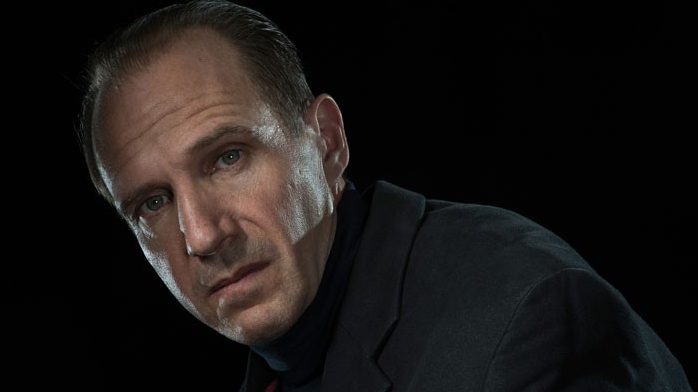
Just under a fortnight ago we produced for Picturehouse Entertainment and the Almeida Theatre the cinema broadcast of the latter’s production of Richard III. Directed on stage by Rupert Goold, this featured Ralph Fiennes, Vanessa Redgrave and a truly exceptional cast. The theatre show has only a few performances left but there are encore screenings of the cinema presentation – and full details of those can be found here. The broadcast has prompted some stimulating online discussion, and this post contains pointers to three pieces that are well worth reading. read more »
1st August 2016
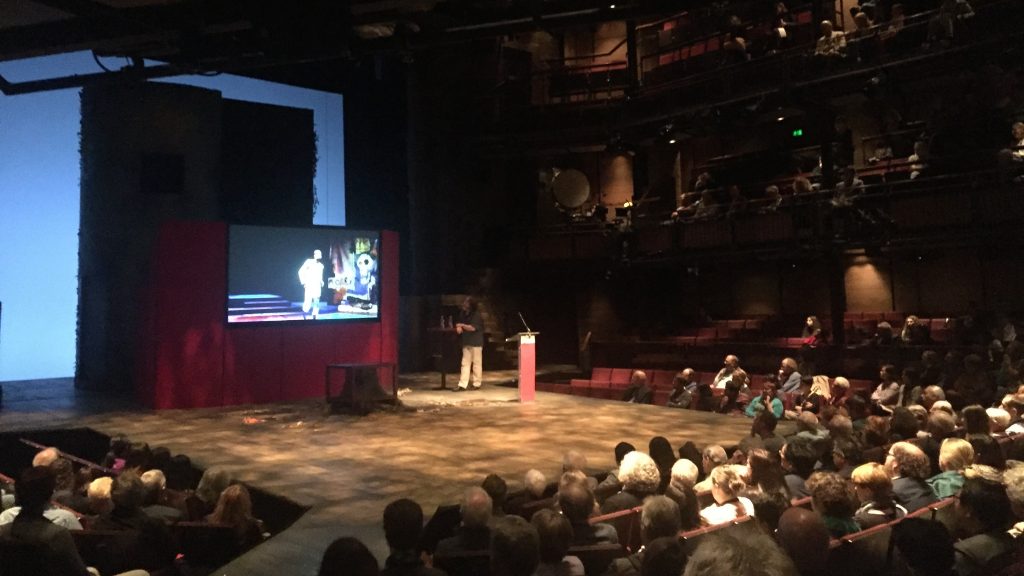
To Stratford-upon-Avon this week for the World Shakespeare Congress 2016, an international gathering of academics held only once every five years in a different location each time. This being the 400th anniversary of the playwright’s death, the eminent Shakespeareans have come to Britain for a week split between the birth place and the city where he worked. A full programme of lectures, panels, seminars and drinking lies ahead.
This morning RSC Artistic Director Gregory Doran got things off to a splendid start with a plenary lecture about screen adaptations of previous RSC productions, and showed a range of clips including fragments from The Wars of the Roses, 1965, and his 2000 Macbeth film with Tony Sher and Harriet Walter, both of which we publish on DVD. He also included part of the RSC Live from Stratford-upon-Avon cinema broadcast of Hamlet that came from here just under two months ago. Indeed the rather fuzzy picture above is of Paapa Essiedu performing ‘To be or not to be…’ on a screen mounted on the stage exactly where he gave the speech for the broadcast. read more »